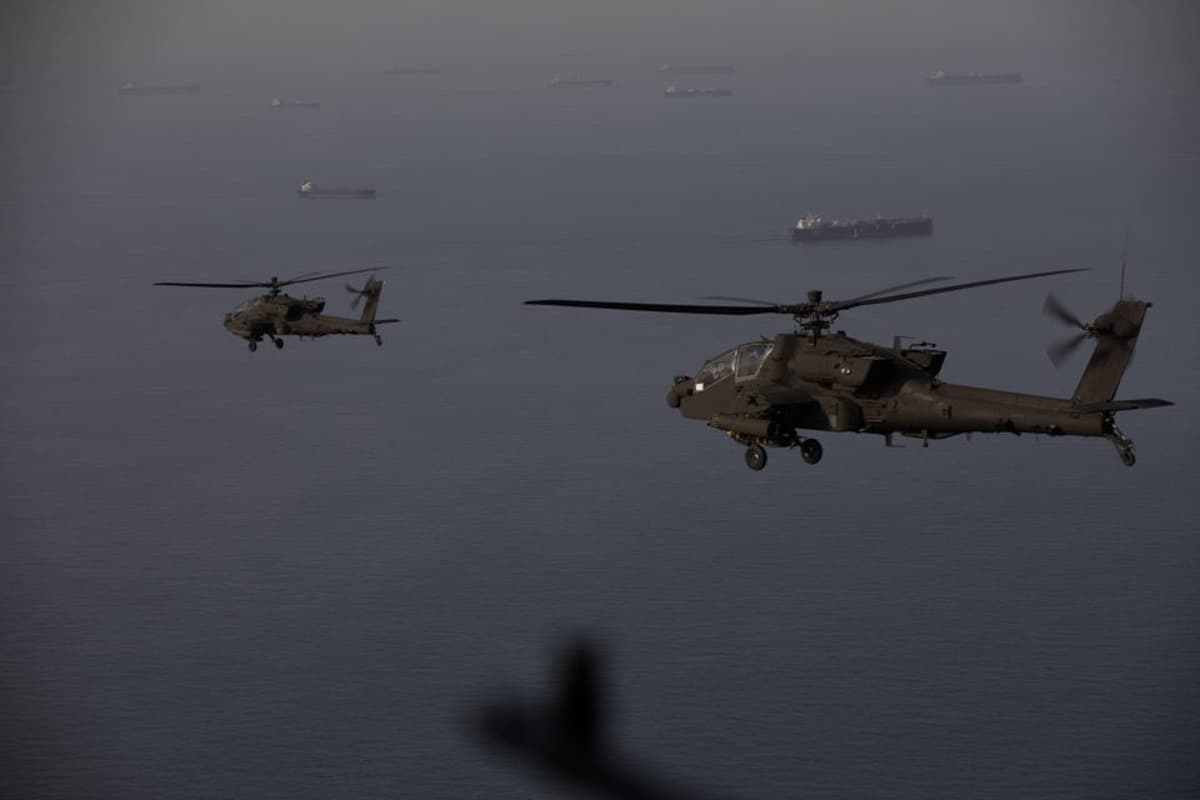
Shipping Awaits Clarity on ‘Project Freedom’ as Hormuz Risks Remain High
Why It Matters
Without credible, durable assurances of safe passage, operators face heightened operational risk and potential insurance cost spikes, affecting global oil and trade flows through a critical maritime artery.
Key Takeaways
- •BIMCO warns security in Hormuz unchanged despite U.S. “Project Freedom”.
- •No formal guidance released for commercial ships under the new initiative.
- •Iran threatens action on uncoordinated transits, raising risk of hostilities.
- •Recent explosion and drone attack underscore ongoing volatility in the strait.
- •Operators urged to conduct thorough risk assessments until safe passage assured.
Pulse Analysis
Project Freedom, the Trump administration’s high‑profile effort to clear the Strait of Hormuz, has generated headlines but little concrete direction for the shipping community. BIMCO, the world’s largest shipping association, emphasizes that the absence of formalized protocols means carriers cannot rely on diplomatic assurances alone. This gap forces operators to treat the waterway as a high‑risk zone, integrating contingency planning into voyage schedules and budgeting for potential reroutes or delays. The lack of clear rules also complicates insurance underwriting, as underwriters demand detailed risk assessments for each transit.
The strategic importance of the Hormuz corridor—through which roughly 20% of global oil passes—means any disruption reverberates across energy markets. Recent incidents, including a South Korean vessel struck by an explosion and Iranian drones igniting a fire at Fujairah’s oil facilities, illustrate the persistent threat landscape. Iran’s explicit warning that ships must coordinate with its military before transiting adds a geopolitical layer, raising the specter of confrontations that could quickly escalate. These developments keep freight rates volatile and encourage shippers to consider alternative routes such as the Cape of Good Hope, despite higher fuel costs.
For shipowners and charterers, the practical takeaway is clear: until a durable, internationally recognized safety framework emerges, risk mitigation must remain a priority. Conducting rigorous threat analyses, securing convoy protection where possible, and maintaining flexible scheduling are essential tactics. Moreover, stakeholders should monitor diplomatic signals closely, as any shift in U.S. or Iranian posture could alter the risk calculus overnight. By staying proactive, the industry can safeguard assets, protect crews, and preserve the flow of commodities that underpin the global economy.
Shipping Awaits Clarity on ‘Project Freedom’ as Hormuz Risks Remain High
Comments
Want to join the conversation?
Loading comments...