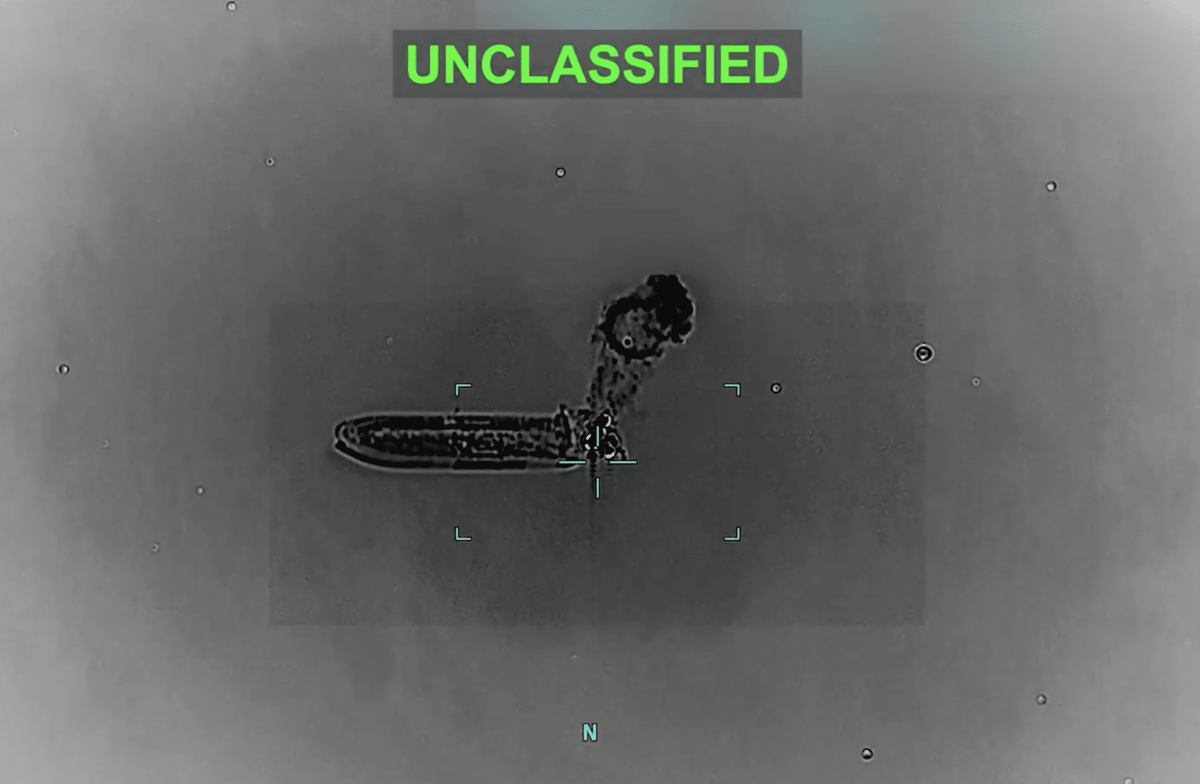
Shipping Industry Condemns Attacks on Seafarers as Hormuz Death Toll Reaches 14
Why It Matters
The surge in hostile actions jeopardizes the safety of crews and the uninterrupted movement of oil and goods through a key energy corridor, raising costs and insurance premiums for the global supply chain.
Key Takeaways
- •46 attacks verified in Hormuz since Feb 28, 2026
- •14 seafarers killed, including three Indian crew on Settebello
- •BIMCO, ICS, INTERCARGO, INTERTANKO jointly condemn attacks
- •IMO calls for adherence to Law of Armed Conflict
- •Shipping confidence hinges on restraint and legal compliance
Pulse Analysis
The Strait of Hormuz remains the world’s most critical maritime bottleneck, channeling roughly 20% of global oil supplies. Recent spikes in hostile engagements have turned a traditionally navigable route into a high‑risk zone, prompting insurers to hike premiums and shippers to consider costly detours around the Arabian Sea. The cumulative effect ripples through energy markets, inflating fuel prices and tightening supply chains for everything from plastics to aviation fuel.
In response, the industry’s leading associations—BIMCO, the International Chamber of Shipping, INTERCARGO and INTERTANKO—have broken their usual silence to issue a coordinated condemnation. Their message reinforces the International Maritime Organization’s call for strict compliance with the Law of Armed Conflict, emphasizing that civilian vessels must not become targets of military strategy. By highlighting the legal obligations of belligerents, the groups aim to pressure governments and armed forces to adopt proportionate force and prioritize crew safety during any enforcement actions.
Looking ahead, shipowners face a delicate balancing act between commercial imperatives and crew welfare. Robust risk assessments, dynamic routing software, and real‑time threat intelligence will become indispensable tools. Moreover, sustained diplomatic engagement is essential to secure credible security guarantees that can restore confidence in Hormuz. Until such assurances materialize, the industry is likely to see continued volatility in freight rates, heightened insurance costs, and a push for alternative energy transport corridors.
Shipping Industry Condemns Attacks on Seafarers as Hormuz Death Toll Reaches 14
Comments
Want to join the conversation?
Loading comments...