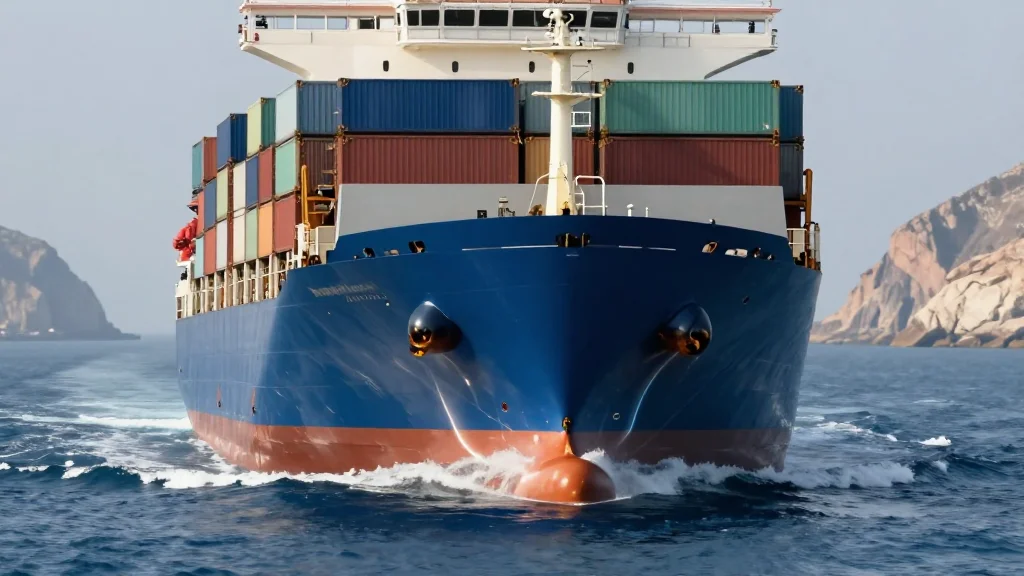
Shipping Industry Fears Fuel Shortages as Iran War Squeezes Bunker Fuel Supply
Companies Mentioned
Why It Matters
Rising bunker‑fuel costs immediately lift shipping rates, rippling through global supply chains and pressuring consumer prices while forcing the industry toward alternative‑fuel strategies.
Key Takeaways
- •Singapore bunker fuel jumped from $500 to over $800 per ton
- •Daily war cost to shipping estimated at $400 million
- •Vessel speeds slowed ~2% as operators cut fuel use
- •One‑third of new builds will be dual‑fuel capable
- •Higher oil prices boost interest in greener marine fuels
Pulse Analysis
The disruption of bunker‑fuel flows stems from the Iran‑Israel conflict’s sealing of the Strait of Hormuz, the world’s primary conduit for the heavy crude that fuels the maritime sector. With Iraq and Kuwait offline, Singapore— the globe’s largest bunkering hub—has seen prices surge past $800 per metric ton, a 60% jump that compresses profit margins for carriers already grappling with tighter freight markets. This price shock underscores the fragility of a supply chain that moves roughly 80% of global trade by sea.
In response, operators are deploying a two‑pronged operational playbook. Short‑term measures include a 2% average reduction in vessel speed and revised sailing schedules to conserve fuel. Longer‑term strategies focus on fleet diversification: about one‑third of new builds under construction will feature dual‑fuel capability, allowing a switch between traditional bunker and lower‑emission options such as LNG. The heightened cost gap is also making greener fuels more economically attractive, prompting investments in low‑sulfur and ammonia‑based solutions despite current infrastructure constraints.
The broader economic fallout is significant. Higher bunker‑fuel expenses translate directly into increased freight rates, which cascade into higher consumer prices for goods ranging from electronics to groceries. Asian ports, responsible for over half of seaborne trade, face amplified pressure as subsidies wane and local inventories dwindle. As the industry navigates this fuel crunch, the push toward alternative energy sources may reshape maritime logistics, offering a potential hedge against future geopolitical shocks and aligning with long‑term decarbonization goals.
Shipping industry fears fuel shortages as Iran war squeezes bunker fuel supply
Comments
Want to join the conversation?
Loading comments...