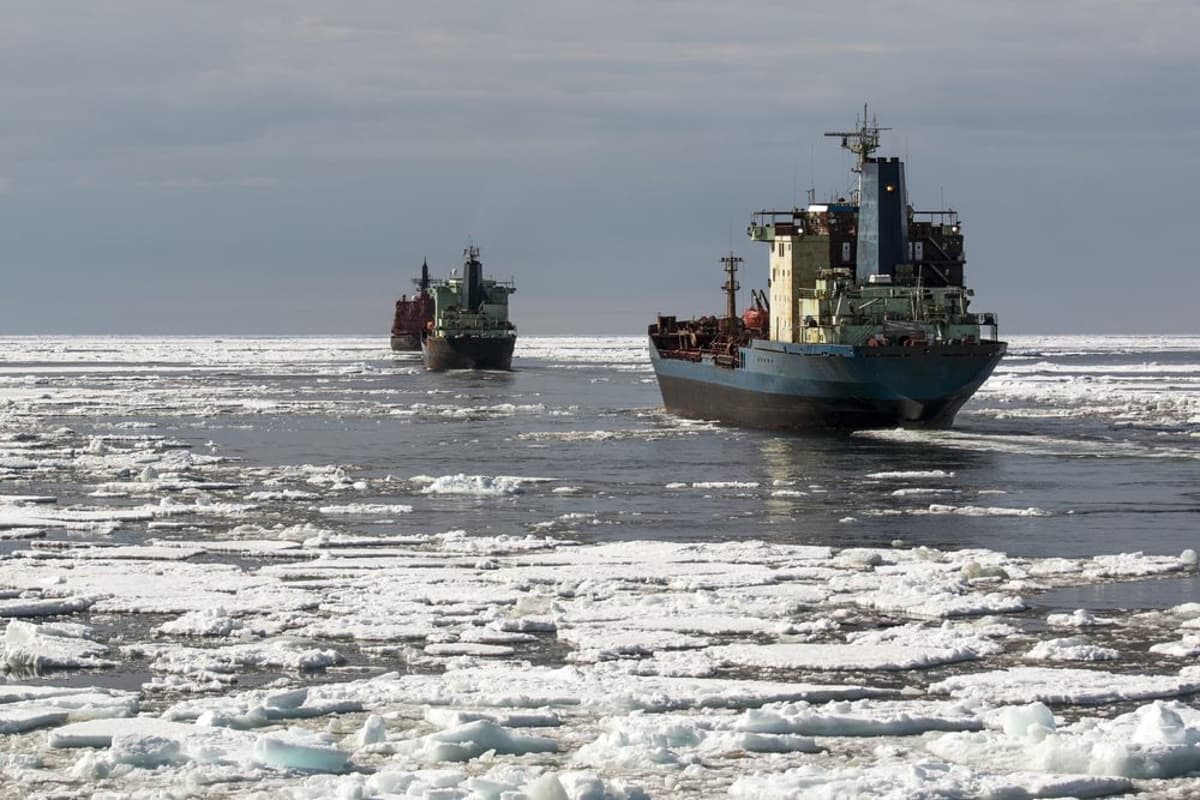
Shipping’s Arctic Black Carbon Problem Is Growing Faster Than Regulators Can Respond
Companies Mentioned
Why It Matters
Accelerating black‑carbon pollution threatens to amplify Arctic warming faster than current regulations can mitigate, jeopardizing global climate goals and prompting urgent industry action.
Key Takeaways
- •Arctic shipping black carbon rose from 259 to 759 t (2024).
- •Ship numbers up 37%; distance sailed doubled since 2013.
- •IMO’s new NE Atlantic ECA targets sulfur, not black carbon.
- •HVO trial cut NOx 16% and lifecycle GHG 80% on MSC Opera.
- •Engine maintenance can reduce soot more than fuel switches alone.
Pulse Analysis
The Arctic is becoming a new shipping highway, but the environmental cost is rising faster than policy can keep pace. Between 2019 and 2024, measured black‑carbon emissions from vessels in the Polar Code zone jumped from 259 to 759 metric tonnes, a near‑tripling that dwarfs the 46% increase across the broader AMAP region. Because black carbon darkens ice and snow, its warming effect per gram can be up to 1,500 times that of CO₂, creating a feedback loop that accelerates melt and opens even more routes for fuel‑burning ships. This self‑reinforcing cycle underscores why the metric matters beyond traditional carbon accounting.
Regulators have responded with the North‑East Atlantic Emission Control Area, slated for 2027, which will enforce a 0.10% sulfur limit and tighter NOx standards across waters surrounding Greenland, Iceland, the Faroe Islands and Western Europe. However, the measure targets sulfur, not the soot that drives Arctic black‑carbon spikes. The industry’s focus on fuel switches—moving from heavy fuel oil to distillates or future zero‑carbon fuels—offers only a modest 2‑5% reduction in Arctic soot, according to the Clean Arctic Alliance. In contrast, the MSC Opera trial showed that a 2,000‑hour run on 100% hydrotreated vegetable oil (HVO) achieved a 16% NOx cut and an 80% drop in lifecycle greenhouse‑gas emissions, proving that cleaner‑burning transitional fuels combined with meticulous engine upkeep can deliver tangible, short‑term gains.
The strategic takeaway for ship owners and operators is clear: immediate emissions reductions hinge on combustion quality, not just fuel type. Investing in engine maintenance—optimising injectors, turbochargers, and combustion monitoring—can slash particulate output at a fraction of the cost of retrofitting for ammonia or hydrogen propulsion. While long‑term decarbonisation pathways remain essential, the Arctic’s rapidly changing climate demands that the industry act now, leveraging existing technology and best‑practice engineering to curb black‑carbon emissions before the next IMO session convenes.
Shipping’s Arctic Black Carbon Problem is Growing Faster Than Regulators Can Respond
Comments
Want to join the conversation?
Loading comments...