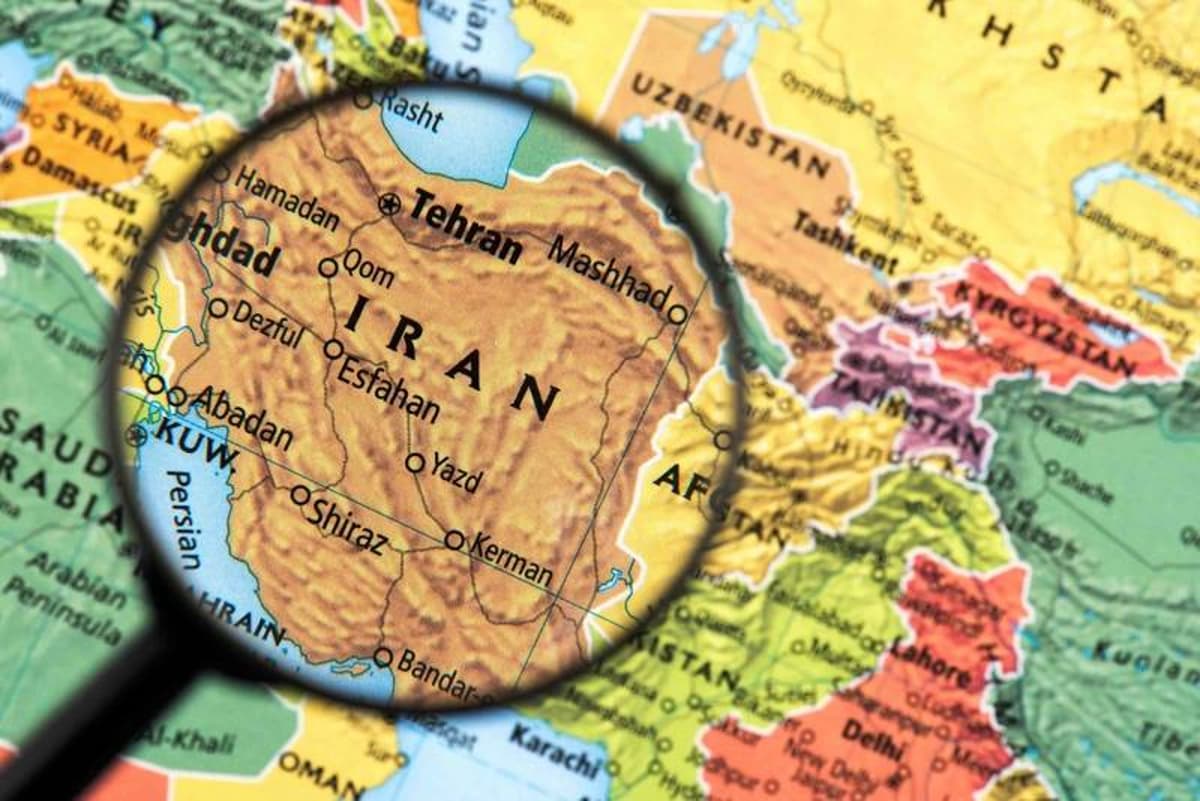
Ships Sailing Through Hormuz Need Prior Coordination with the Iranian Islamic Revolutionary GuardCorps
Why It Matters
The requirement adds a new layer of operational risk for global trade, potentially slowing oil and cargo flows through a chokepoint that handles roughly a fifth of worldwide petroleum shipments. It also signals a diplomatic lever Iran is using to extract financial concessions amid broader regional tensions.
Key Takeaways
- •IRGC requires prior coordination for all Hormuz transits.
- •Military vessels remain barred, even U.S. warships.
- •Transit lanes limited to routes Iran deems safe.
- •Unfreezing Iranian funds linked to the reopening agreement.
- •Shipping groups assessing compliance with freedom of navigation.
Pulse Analysis
The Strait of Hormuz, a narrow 21‑mile passage linking the Persian Gulf to the Gulf of Oman, has long been a strategic artery for global energy markets. Recent diplomatic moves in Lebanon sparked a cease‑fire accord, prompting Iran’s Islamic Revolutionary Guard Corps to announce that while the strait is technically open, every commercial transit now requires explicit coordination with Iranian authorities. This development underscores Tehran’s intent to leverage its de‑facto control over the waterway to secure broader concessions, notably the unfreezing of Iranian assets held abroad.
For shippers, the new protocol introduces operational complexity. Vessels must obtain clearance from the IRGC and Iran’s Ports and Maritime Organization, and will be confined to lanes that Tehran designates as safe. Military vessels, including those of the United States, remain excluded, reinforcing the civilian‑only nature of the reopening. Industry groups such as the International Maritime Organization are scrutinizing the announcement to ensure it aligns with international norms of freedom of navigation, a principle vital for maintaining predictable, cost‑effective trade routes.
Geopolitically, the coordination requirement reflects a broader bargaining chip in Iran’s relationship with the West. By tying maritime access to financial unfreezing, Tehran seeks to extract economic relief while signaling its continued influence over a chokepoint that moves roughly 20% of global oil supplies. Analysts caution that any delays or disputes over lane approvals could ripple through oil prices and supply chains, prompting carriers to diversify routes or increase insurance premiums. Monitoring how quickly the coordination process becomes routine will be key to gauging the strait’s stability and its impact on global markets.
Ships Sailing Through Hormuz Need Prior Coordination with the Iranian Islamic Revolutionary GuardCorps
Comments
Want to join the conversation?
Loading comments...