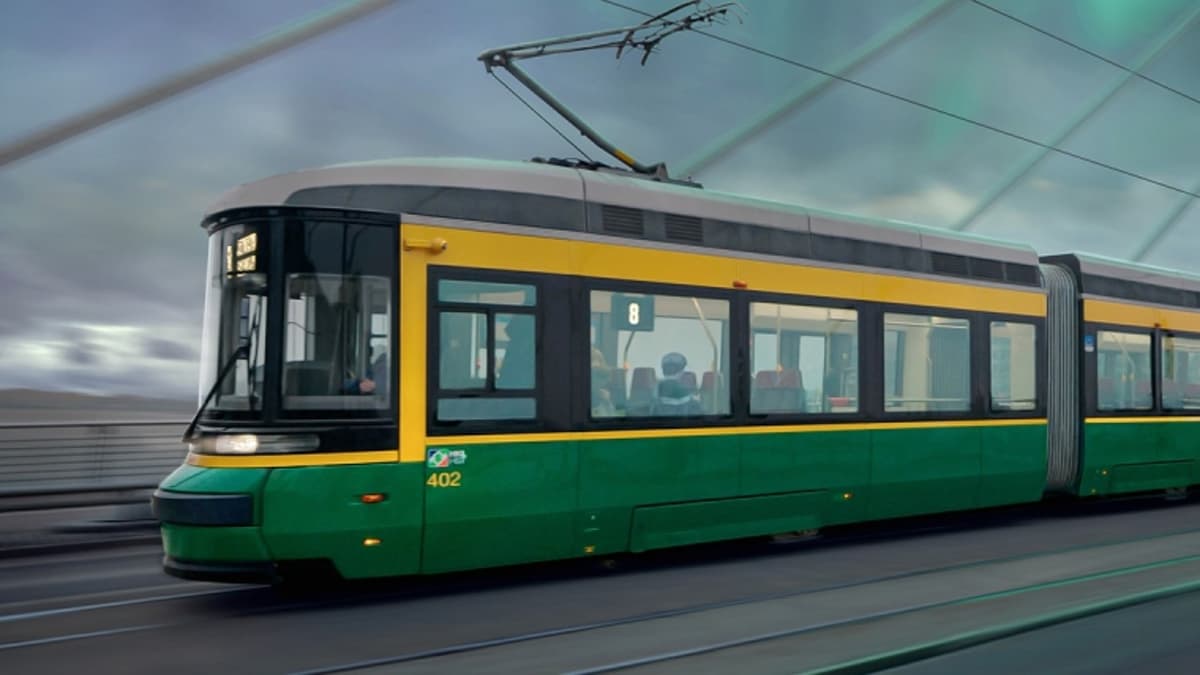
Škoda Criticizes the Purchase Price in the Helsinki Tram Tender
Why It Matters
The dispute will shape how EU public‑sector contracts address cost overruns, influencing billions of dollars of future transport spending and competitive dynamics among rail manufacturers.
Key Takeaways
- •Stadler's bid €331M (~$361M) exceeds HSL budget by 22%.
- •Škoda's offer €271M (~$295M) meets original budget, 25% cheaper.
- •Škoda challenges contract in Finnish courts, seeking injunction.
- •Dispute underscores EU procurement rules against over‑priced public contracts.
Pulse Analysis
The Helsinki tram expansion is a cornerstone of the capital’s sustainable mobility plan, aiming to increase capacity across Helsinki and neighboring Vantaa. HSL initially set a €271 million budget, reflecting cost assumptions made in 2023. When the tender closed, Stadler’s proposal arrived at €331 million, prompting the transport authority to request additional funding. For Škoda Transtech, the gap signals a potential breach of fiscal discipline, especially as the company’s own bid aligns with the original budget and promises comparable technical performance.
Beyond the headline numbers, the price disparity raises questions about how geopolitical shocks—such as the war in Ukraine—are factored into public procurement. While HSL cites rising material costs and supply‑chain disruptions, Škoda argues those variables were already embedded in its 2023 estimates. EU procurement law obliges contracting authorities to reject offers that substantially exceed the forecasted budget unless justified by extraordinary circumstances. The legal challenge by Škoda in the Supreme Administrative Court could force a re‑evaluation of the award, setting a precedent for stricter budget adherence and transparency in future tenders across the continent.
For the broader rail industry, the case illustrates the tightening margins and heightened scrutiny facing manufacturers. Stadler’s higher bid may reflect advanced technology or premium components, but it also risks alienating cost‑sensitive public customers. Škoda’s aggressive legal stance underscores the competitive pressure to secure market share in the lucrative Nordic region. Stakeholders will watch the court’s decision closely, as it may recalibrate bidding strategies, encourage more realistic budgeting, and reinforce the EU’s commitment to preventing over‑pricing in public infrastructure projects.
Škoda criticizes the purchase price in the Helsinki tram tender
Comments
Want to join the conversation?
Loading comments...