Sky-High Fuel Prices Will Drive Ship Efficiency Retrofits
Companies Mentioned
Why It Matters
Escalating bunker costs turn previously marginal efficiency retrofits into profitable investments, fast‑tracking the shipping industry’s transition toward lower‑carbon operations.
Key Takeaways
- •Middle East attacks spike marine fuel prices dramatically
- •Higher bunker costs shorten retrofit payback periods
- •Wind‑sail retrofits deliver 15‑20% fuel savings
- •Lloyd’s Register forecasts growing retrofit demand despite regulatory delays
- •Shipowners must urgently evaluate efficiency upgrades
Pulse Analysis
The recent escalation of hostilities in the Middle East has disrupted oil and LNG supply chains, pushing crude prices well above pre‑war levels and sending marine bunker costs soaring. While the United States seeks to block the IMO’s Net Zero Framework, the unintended consequence is a market shock that makes every drop of fuel more valuable. Shipping companies, already grappling with volatile freight rates, now confront a new cost driver that reshapes budgeting priorities and forces a reevaluation of long‑standing fuel procurement strategies.
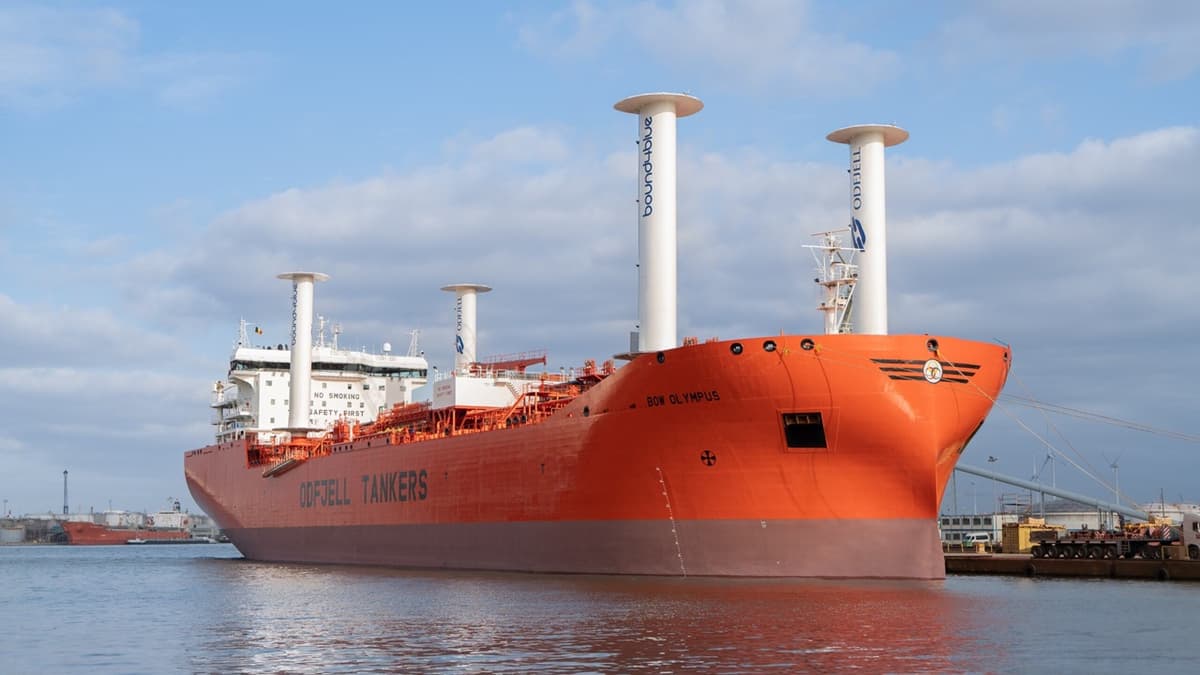
Against this backdrop, efficiency‑focused retrofits are gaining traction as a pragmatic response. Wind‑assisted propulsion systems, such as Anemoi and Norsepower sails, have demonstrated 15‑20% fuel savings on bulk carriers, while hull‑modifications, air‑lubrication coatings, and advanced weather‑routing software further trim consumption. The economics are compelling: higher bunker prices compress the return on investment timeline, turning retrofits that once required decade‑long paybacks into projects payable within a few voyages. Digital twins and voyage‑optimisation platforms add another layer of savings by aligning speed, route, and cargo handling to minimize fuel burn.
The broader industry implication is a rapid alignment of ESG commitments with bottom‑line incentives. Liner operators with established Scope 3 reduction targets are already integrating retrofit assessments into charter negotiations, while bulk traders, led by pioneers like Vale, are testing similar upgrades on ore carriers. Although regulatory ambiguity around the NZF persists, market forces are compelling shipowners to adopt measurable, cost‑effective solutions now, positioning the sector for a smoother transition to low‑carbon fuels once they become commercially viable.
Sky-high fuel prices will drive ship efficiency retrofits
Comments
Want to join the conversation?
Loading comments...