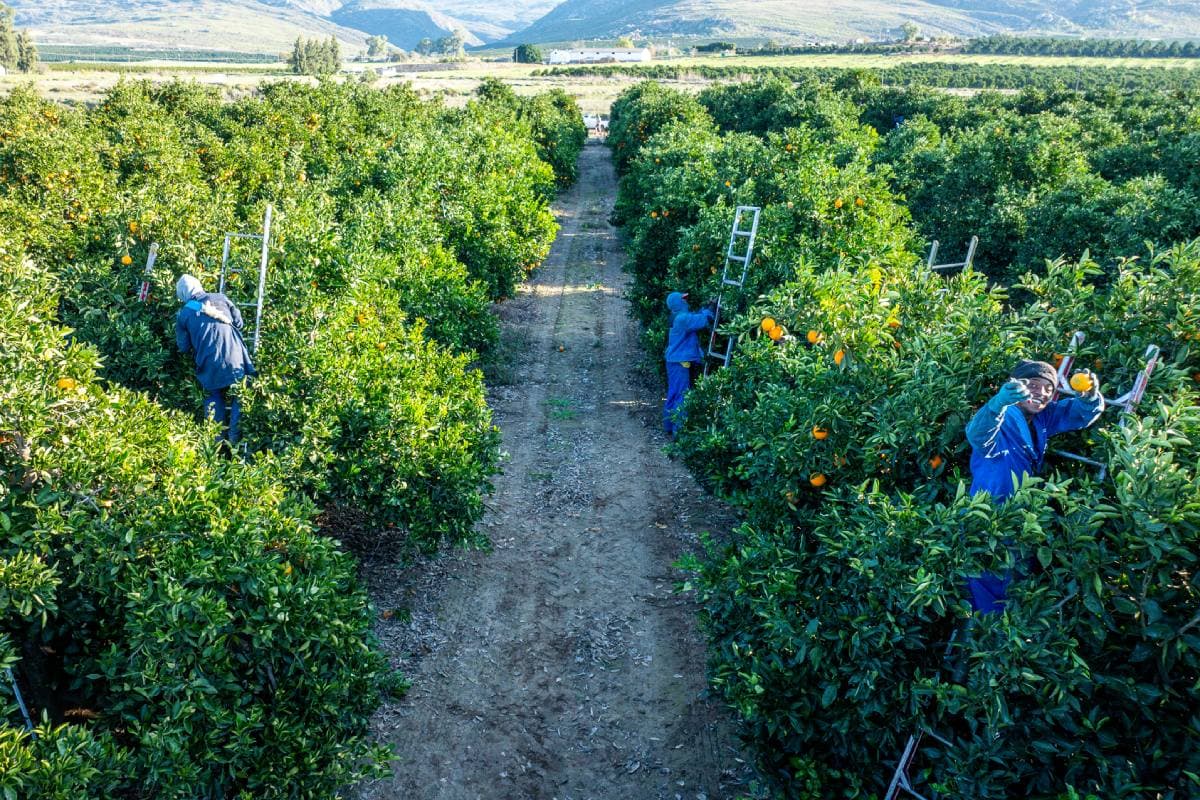
South African Citrus Shipments Challenge Geopolitical Disruptions in the Middle East
Why It Matters
Maintaining supply despite Middle East shipping disruptions safeguards a key revenue stream for South African growers and stabilizes regional fruit markets. It also illustrates how geopolitical tensions can reshape global agricultural supply chains.
Key Takeaways
- •Middle East accounts for 19% of SA citrus export volume.
- •Rerouted shipments avoid Strait of Hormuz, increasing transit time.
- •Higher freight costs but quality remains consistent per CGA.
- •No diversion to other markets; focus stays on Middle Eastern buyers.
Pulse Analysis
South Africa remains the world’s third‑largest citrus exporter, and the Middle East is a strategic destination that absorbs nearly one‑fifth of the seasonal harvest. The region’s demand for oranges, lemons and mandarins is driven by year‑round consumption patterns and limited domestic production, making South African fruit a reliable fill for grocery shelves and food‑service contracts. By keeping the supply line open, growers protect a high‑margin market that contributes significantly to the sector’s overall profitability.
The abrupt closure of the Strait of Hormuz—a chokepoint that handles roughly 20% of global oil shipments—forced shipping lines to adopt longer, costlier routes around the Cape of Good Hope. While the detour adds days to transit times and lifts freight rates, it also underscores the fragility of agricultural logistics that depend on narrow maritime corridors. Container capacity remains available, but the added expense compresses margins unless offset by premium pricing or hedging strategies. This scenario mirrors broader supply‑chain challenges where geopolitical flashpoints can instantly reshape trade flows for perishable goods.
Looking ahead, South African citrus exporters are likely to double‑down on risk‑mitigation tactics, such as diversifying destination markets and investing in cold‑chain infrastructure to extend shelf life during extended voyages. The CGA’s commitment to the Middle East signals confidence in the region’s long‑term demand, yet the fluid geopolitical environment warrants close monitoring. Stakeholders who can navigate higher logistics costs while preserving fruit quality will emerge with a competitive edge, reinforcing South Africa’s position in the global citrus hierarchy.
South African citrus shipments challenge geopolitical disruptions in the Middle East
Comments
Want to join the conversation?
Loading comments...