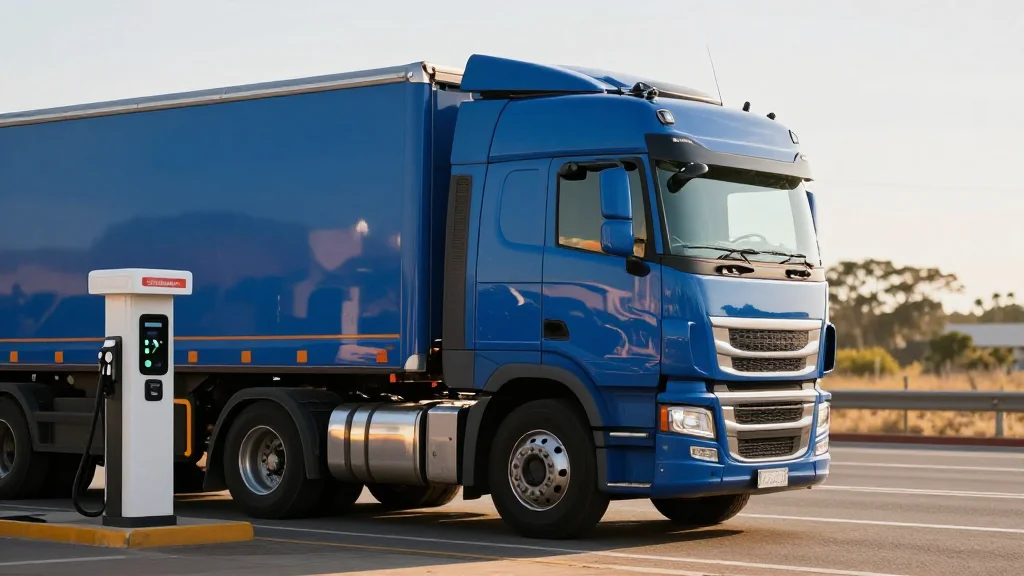
South African Fleets Cut Costs 27% with EVs as Infrastructure Expands

Companies Mentioned
Why It Matters
The demonstrated 27% TCO reduction reshapes logistics economics in a region where fuel price volatility has long eroded margins. Lower operating costs translate into cheaper freight rates, potentially boosting South Africa’s export competitiveness and reducing reliance on imported diesel. Moreover, the shift accelerates decarbonisation of the supply chain, aligning with global ESG expectations and opening doors for green financing. If the government follows through on tax reforms and invests in domestic battery production, South Africa could emerge as a hub for electric‑vehicle manufacturing in Africa, creating jobs and fostering a new export segment. The scaling of charging infrastructure also mitigates one of the biggest barriers to electric‑fleet adoption—downtime—thereby unlocking further efficiencies across the continent’s logistics networks.
Key Takeaways
- •Commercial fleets report a 27% lower total cost of ownership for electric trucks versus diesel when bought outright.
- •Fuel prices have surged to R32/L for diesel and over R27/L for petrol, intensifying the cost gap.
- •Section 12V of the Income Tax Act offers a 150% tax deduction on capital investments in EV assets (effective Mar 2026‑Mar 2036).
- •Break‑even mileage: 1‑ton EVs at 3,200 km/month; 4‑ton and 8‑ton EVs at 2,500 km/month.
- •Industry calls for local battery‑cell manufacturing and reform of CO₂ levy and ad valorem duties.
Pulse Analysis
The South African case illustrates how policy, price shocks, and infrastructure can converge to tip the economics of electric logistics in a developing market. Historically, high upfront costs and limited charging have stalled EV adoption in Africa, but the 150% tax deduction effectively reduces capital outlay, making the total cost of ownership competitive even before fuel price spikes. This mirrors early adoption curves seen in Europe, where fiscal incentives accelerated market penetration.
The next inflection point will be supply‑side capacity. Without domestic battery‑cell production, South Africa remains dependent on imports, exposing fleets to global supply chain disruptions. A successful partnership with a Tier 1 supplier could not only secure the component chain but also position the country as an export platform for neighboring markets, creating a regional hub for zero‑emission logistics.
Finally, the broader supply‑chain implications extend beyond cost. Consistent, low‑emission freight can lower carbon footprints for retailers and manufacturers, unlocking green‑bond financing and meeting increasingly stringent ESG criteria from global buyers. As the charging network expands and policy levers tighten, South Africa’s logistics sector may become a blueprint for other emerging economies seeking to decarbonise cost‑effectively.
South African Fleets Cut Costs 27% with EVs as Infrastructure Expands
Comments
Want to join the conversation?
Loading comments...