South Korea Offers Shippers a Helping Hand with Freight Rate Discounts
Companies Mentioned
Why It Matters
The discounts cushion Korean SMEs from soaring transport costs, helping preserve export volumes and trade balance amid geopolitical volatility.
Key Takeaways
- •Eight Korean carriers reserve 1,680 TEU monthly for 10‑20% FCL discounts.
- •LCL discounts cover 20+ routes via Samsung SDS for small shippers.
- •“KITA Express” offers reduced air rates for consumer goods to US/Europe.
- •Ocean freight now $1,097 per 40ft, >20% YoY increase.
- •Post‑war plan readies extra capacity if Middle East demand rebounds.
Pulse Analysis
The sharp escalation in freight rates stems from the fallout of the US‑Israel‑Iran conflict, which has disrupted key shipping lanes and driven up fuel and insurance costs. For South Korean exporters, especially small and medium‑sized enterprises, the sudden 20% jump in ocean freight and 40% surge in air cargo pricing threatens profit margins and could force a shift away from price‑sensitive markets such as India and Southeast Asia. By stepping in with coordinated discounts, the government and KITA aim to stabilize supply‑chain costs and keep Korean products competitive on the global stage.
The support scheme is deliberately tiered. Full‑container‑load (FCL) shippers receive 10‑20% off on a pooled 1,680 TEU per month from eight major carriers, ensuring capacity for larger shipments to high‑demand routes. For less‑than‑container‑load (LCL) users, Samsung SDS partners with the carriers to extend discounts across more than 20 ocean corridors, from trans‑Pacific to Asia‑Europe lanes, easing the burden on firms that cannot fill a full box. Meanwhile, the newly branded “KITA Express” provides lower air‑freight rates for consumer‑goods exporters targeting the US and Europe, a segment that has seen the steepest price spikes.
Beyond immediate relief, the initiative signals a broader strategic push to safeguard South Korea’s export engine. By preserving trade flows during a period of geopolitical uncertainty, the country protects jobs and tax revenues tied to logistics and manufacturing. The contingency plans for post‑war logistics to the Middle East further demonstrate foresight, positioning Korean carriers to capture pent‑up demand once stability returns. In the longer term, such public‑private collaborations could become a template for other economies facing similar freight‑price volatility, reinforcing supply‑chain resilience across the region.
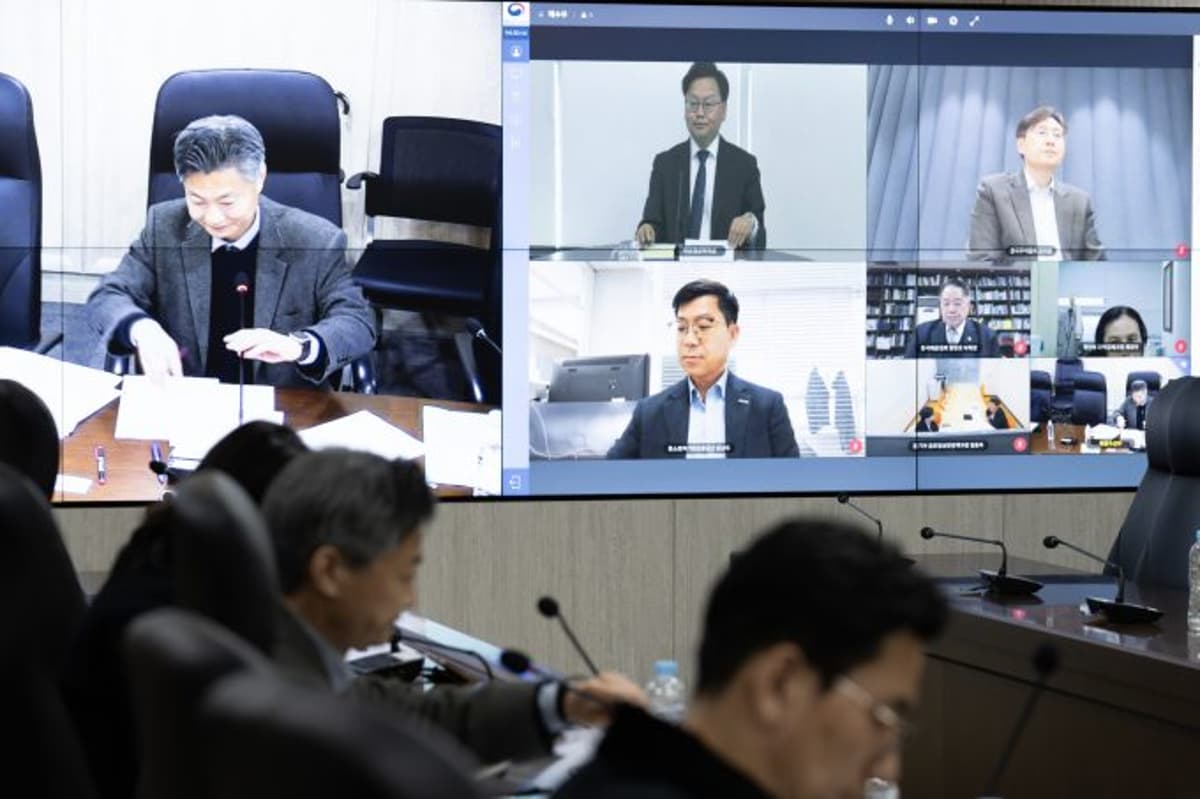
South Korea offers shippers a helping hand with freight rate discounts
Comments
Want to join the conversation?
Loading comments...