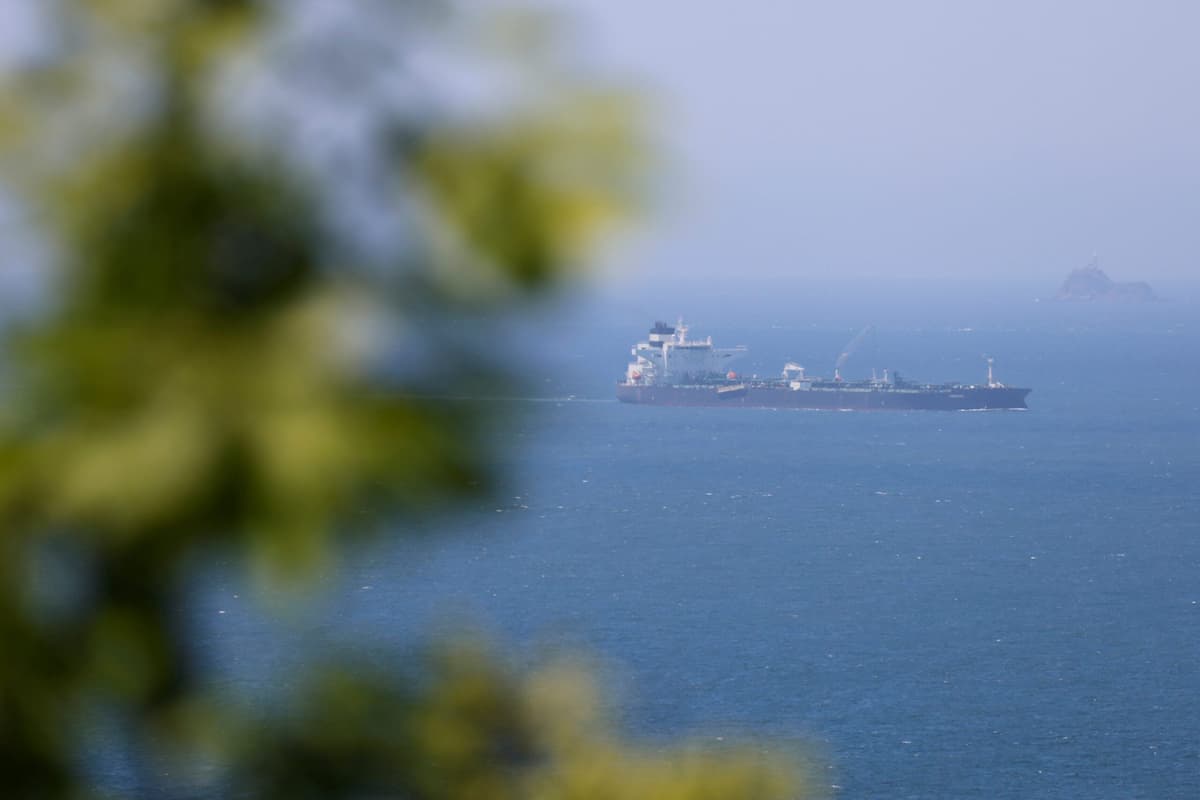
South Korean, Chinese Supertankers Attempt Strait of Hormuz Exit
Companies Mentioned
Why It Matters
Successful exits would demonstrate that East Asian shippers can navigate Hormuz despite heightened tensions, easing supply‑chain constraints and supporting global oil flow. The movement also signals a potential shift in regional shipping dynamics amid ongoing security concerns.
Key Takeaways
- •South Korean supertanker Universal Winner attempts first East Asian crossing of Hormuz.
- •Two Chinese VLCCs, Ocean Lily and Yuan Gui Yang, also seek exit.
- •HMM's bulk carrier was attacked in Hormuz earlier May, raising security concerns.
- •If they clear Hormuz, traffic could hit peak levels since February conflict.
Pulse Analysis
The Strait of Hormuz remains a chokepoint for roughly 20% of global oil shipments, and its strategic importance has surged since the February outbreak of hostilities in the Middle East. While the corridor has seen intermittent disruptions, the recent uptick in very large crude carrier (VLCC) movements reflects both the resilience of oil logistics and the urgency of maintaining flow from Gulf producers to Asian refiners. Analysts monitor vessel traffic closely, as any bottleneck can ripple through global fuel prices and freight markets.
On Wednesday, three supertankers—South Korea’s Universal Winner, and China‑flagged Ocean Lily and Yuan Gui Yang—signaled attempts to exit Hormuz. The Universal Winner, owned by HMM Co., is bound for Ulsan, while Ocean Lily and Yuan Gui Yang are headed for Quanzhou and Shuidong respectively, carrying crude from Kuwait, Qatar, and Iraq. Their coordinated timing follows an earlier attack on an HMM bulk carrier, underscoring heightened security risks for East Asian operators navigating the strait. The presence of state‑linked Chinese firms Sinochem Shipping and Cosco Shipping highlights the strategic priority these carriers place on securing uninterrupted crude supplies.
If the vessels clear the waterway, the day could mark the most significant supertanker traffic surge since the conflict’s onset, potentially easing short‑term supply concerns and stabilizing spot freight rates that have spiked amid uncertainty. However, the episode also raises questions about long‑term risk management, as insurers and charterers reassess premiums for routes through contested zones. Stakeholders will watch for any further incidents that could prompt rerouting or increased reliance on alternative pipelines, shaping the balance between cost, speed, and security in the global oil trade.
South Korean, Chinese Supertankers Attempt Strait of Hormuz Exit
Comments
Want to join the conversation?
Loading comments...