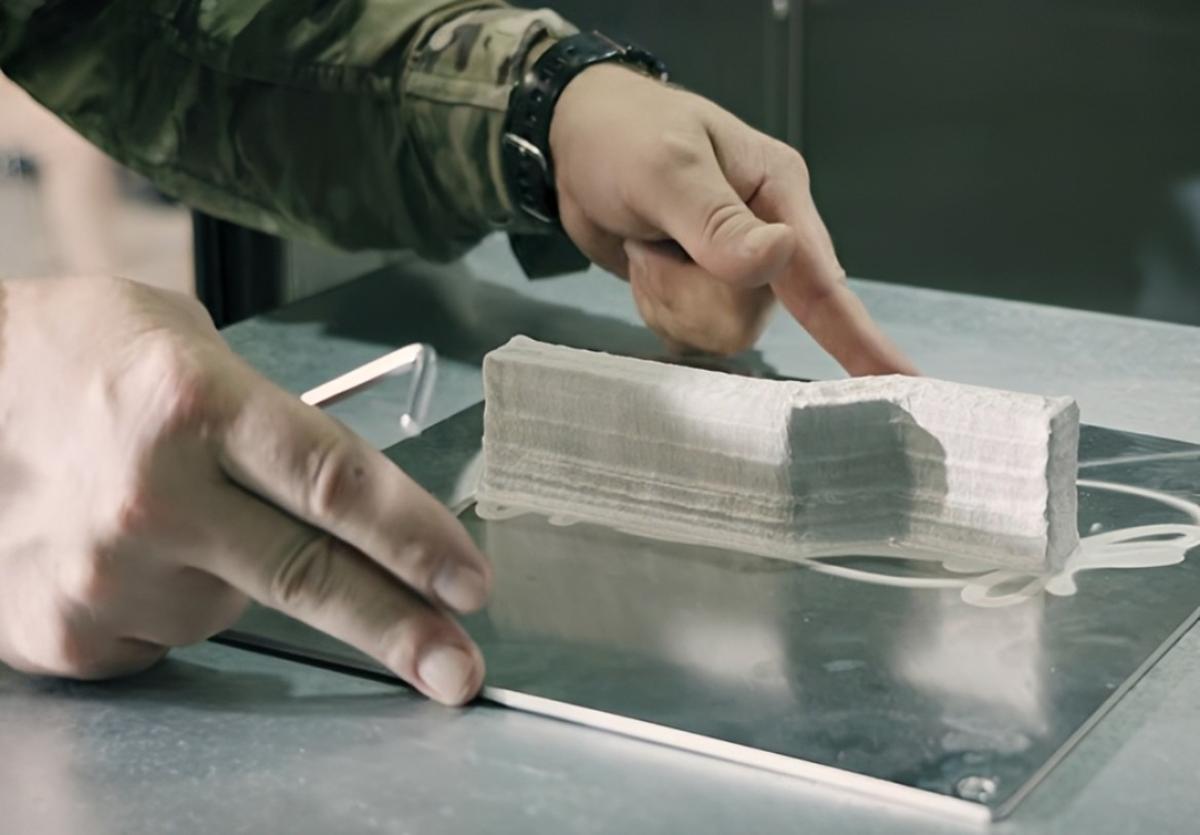
SPEE3D 3D Printing Restores ‘Deadlined’ US Army Vehicle in Hours
•March 10, 2026
0
Why It Matters
Expeditionary 3D printing gives soldiers immediate right‑to‑repair capability, eliminating weeks‑long supply delays and strengthening combat readiness.
Key Takeaways
- •EMU printed functional handle in under 10 hours
- •Drone delivery cut six‑to‑ten‑week logistics to one day
- •Cold spray additive manufacturing enables on‑site metal parts
- •Army units can self‑repair critical equipment in field
- •Project earned MILAM 2026 Expeditionary 3D Printing award
Pulse Analysis
The rise of expeditionary additive manufacturing is reshaping how armed forces sustain equipment in austere environments. Cold‑spray technology, which propels micron‑scale metal particles at high velocity to form dense, near‑net‑shape parts, eliminates the need for traditional melting processes. SPEE3D’s EMU packages this capability in a rugged, transportable unit that can be field‑deployed alongside soldiers and engineers, allowing rapid design iteration and on‑demand production of mission‑critical components without a full‑scale factory.
Logistical bottlenecks have long plagued military maintenance, with spare‑part shipments often taking weeks to reach forward operating bases. By printing a replacement battle‑lock handle and delivering it via drone, the exercise demonstrated a dramatic reduction in turnaround time—from months to hours—directly addressing tactical vulnerabilities. The ability to fabricate and install parts on site not only restores vehicle availability but also reduces the convoy exposure and supply‑chain footprint that can jeopardize personnel safety.
Beyond the battlefield, the success of SPEE3D’s field trial signals broader market opportunities for on‑site manufacturing in disaster response, remote infrastructure, and heavy‑industry repair. Defense contractors are likely to integrate similar EMU systems into future procurement contracts, while civilian sectors may adopt cold‑spray units for rapid infrastructure restoration after natural catastrophes. As the technology matures, cost reductions and expanded material libraries could make expeditionary printing a standard tool for any organization that must keep critical assets operational under constrained conditions.
SPEE3D 3D printing restores ‘deadlined’ US Army vehicle in hours
0
Comments
Want to join the conversation?
Loading comments...