Why It Matters
The missile incident underscores escalating geopolitical risk to maritime trade, while ammonia propulsion signals a shift toward lower‑carbon shipping. AI safety concerns and crew‑cost insights highlight operational challenges that could shape future industry standards.
Key Takeaways
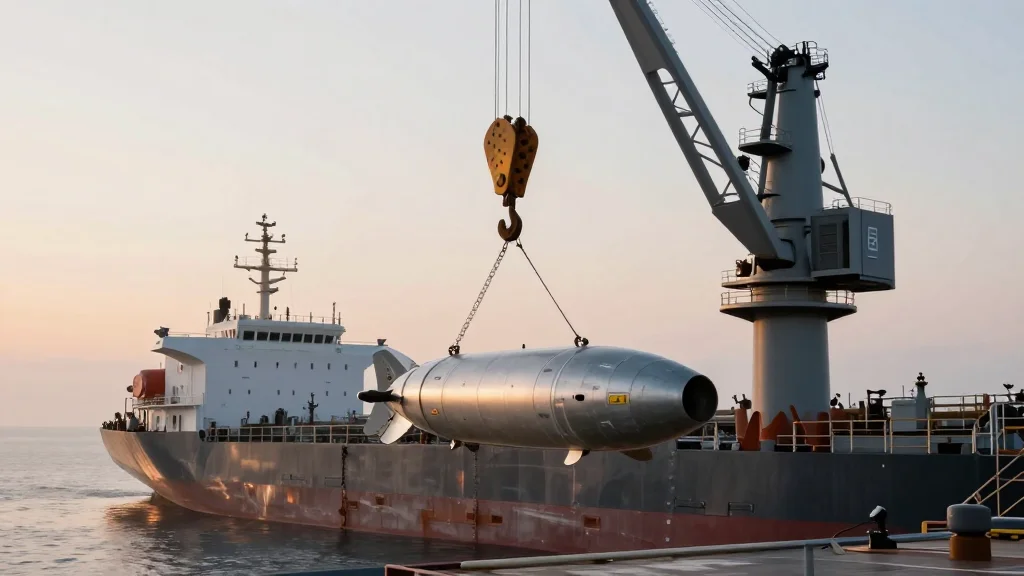
- •Indian Navy removed unexploded missile warhead from VLCC Olympic Life
- •Exmar launched first dual‑fuel ammonia gas carrier, 46,000 cu m
- •AI safety CEO warns AI monitoring can erode crew trust
- •Crew travel remains second‑largest expense after salaries, per Tilla
- •World Bank and S&P Global release Container Port Performance Index
Pulse Analysis
The recent Hormuz shipping crisis has reignited concerns over the safety of key oil routes. The Indian Navy’s successful extraction of an unexploded missile warhead from the VLCC Olympic Life illustrates how quickly a commercial vessel can become a target in a high‑tension environment. Shipping companies are now forced to reassess routing, insurance premiums, and real‑time threat monitoring to protect assets and crew, especially as US‑Iran confrontations show no sign of abating.
At the same time, Exmar’s delivery of the Antwerpen marks a watershed moment for green shipping. Powered by a dual‑fuel ammonia engine, the vessel eliminates CO₂ emissions from fuel combustion, aligning with IMO’s 2050 decarbonisation targets. Although ammonia infrastructure is still nascent, the successful launch of a 46,000‑cubic‑metre gas carrier demonstrates commercial viability and may accelerate investment in ammonia bunkering ports, retrofits, and supply chains across major trade lanes.
Beyond hardware, the industry is grappling with digital and operational reforms. ELNAV.AI’s CEO cautioned that AI systems focused solely on remote monitoring risk eroding crew trust, a vital component of safety culture. Parallelly, Tilla’s analysis of crew travel costs—identified as the second‑largest expense after salaries—highlights opportunities for cost optimisation through smarter scheduling and virtual inspections. Coupled with the latest Container Port Performance Index, which reveals shifting efficiency rankings among global ports, these insights suggest that maritime firms must balance geopolitical risk, sustainable technology adoption, and data‑driven operational efficiency to stay competitive.
Splash Wrap: Trading missiles
Comments
Want to join the conversation?
Loading comments...