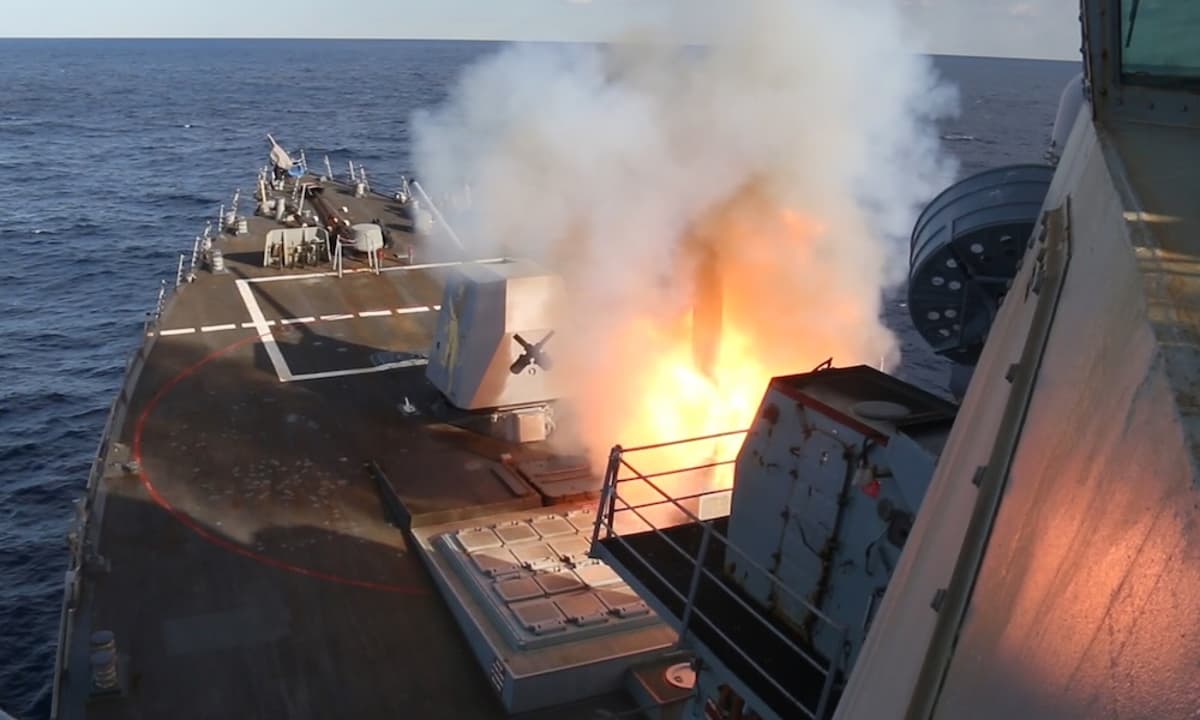
Splash Wrap: Why the Hormuz Conflict Is a World War
Why It Matters
Escalating costs and supply‑chain shocks threaten commodity markets and shipping profitability, while new insurance structures reshape risk management in the maritime sector.
Key Takeaways
- •Hormuz tensions spiked freight slot prices to $385k, bids over $1M.
- •Fertiliser and sulphur markets disrupted, raising global commodity costs.
- •India launches Bharat Maritime Insurance Pool to reduce foreign P&I reliance.
- •Panama Canal affirms full operation despite regional security concerns.
- •IMO urges de‑escalation to restore freedom of navigation in Hormuz.
Pulse Analysis
The Strait of Hormuz, a narrow chokepoint that carries roughly 20% of global oil and a significant share of bulk commodities, has become a flashpoint after recent hostile incidents. Shipping firms rushed to secure slots, driving auction prices from the pre‑conflict $135,000‑$140,000 range to $385,000, with a few bidders willing to pay over $1 million for guaranteed passage. The surge rippled through fertilizer and sulphur markets, inflating input costs for farmers and manufacturers worldwide and tightening margins for carriers already grappling with volatile fuel prices.
Amid the turbulence, India took a decisive step toward maritime self‑reliance by establishing the Bharat Maritime Insurance Pool. The new entity offers protection and indemnity coverage for Indian‑flagged vessels, traditionally dominated by the International Group of P&I Clubs. By domesticating risk underwriting, India aims to lower premium expenses, retain underwriting profits, and provide faster claims handling for local operators. The move signals a broader trend where emerging economies seek to insulate critical shipping functions from geopolitical shocks, potentially reshaping the global P&I landscape and prompting foreign insurers to reassess their market strategies.
The crisis also underscores the delicate balance of global trade routes. While the Panama Canal Authority publicly confirmed uninterrupted service, the dramatic rise in slot pricing reflects lingering concerns about alternative pathways. The International Maritime Organization’s call for de‑escalation highlights the urgent need for diplomatic engagement to preserve freedom of navigation. If tensions persist, higher freight costs could become entrenched, prompting shippers to diversify routes or invest in larger inventories, thereby altering supply‑chain dynamics for years to come.
Splash Wrap: Why the Hormuz conflict is a world war
Comments
Want to join the conversation?
Loading comments...