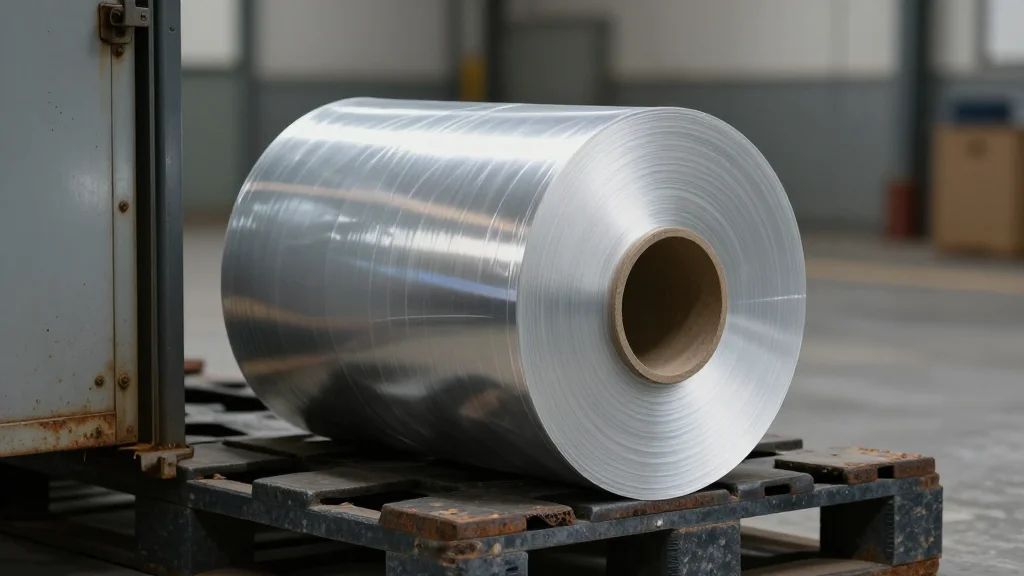
Steinerfilm to Shut U.S. Plant, Cutting 34 Jobs Amid Tariffs and Supply‑Chain Strain

Why It Matters
The shutdown of Steinerfilm’s U.S. plant removes a domestic source of metallized dielectric film, a component essential to energy‑storage and high‑frequency electronics. With tariffs inflating raw‑material costs and Asian competition offering cheaper alternatives, U.S. manufacturers may face longer lead times and higher prices, potentially slowing innovation in sectors like electric‑vehicle batteries and advanced packaging. The closure also signals a broader trend of niche manufacturers consolidating abroad to mitigate trade‑policy risk, raising questions about the resilience of U.S. supply chains for specialized high‑tech materials. For the Berkshire community, the loss of 34 jobs—many held for decades—represents a cultural and economic blow. The plant’s history, tied to the region’s legacy of capacitor production, underscores how trade and supply‑chain dynamics can reshape local industrial landscapes, prompting policymakers to reconsider support mechanisms for vulnerable manufacturers.
Key Takeaways
- •Steinerfilm will close its Williamstown, MA plant by June 30, cutting 34 jobs.
- •The decision follows a 100% tariff on base polyester film and rising material costs.
- •Production will be consolidated at the German sister company, Steiner Film GmbH.
- •The plant, once 200‑person strong, now employs a few dozen workers on 10‑hour shifts.
- •Closure may increase lead times and costs for U.S. customers of metallized dielectric film.
Pulse Analysis
Steinerfilm’s exit from the U.S. market is a textbook case of how trade policy can accelerate the offshoring of niche, high‑value manufacturing. The 100% tariff on polyester base film effectively doubled the cost of a critical input, eroding any price advantage the company might have had over Asian rivals. In a sector where margins are thin and product specifications are exacting, such a cost shock is often fatal. By moving all production to Germany, Steinerfilm preserves its technical expertise and brand continuity, but at the expense of domestic supply chain redundancy.
Historically, the U.S. has relied on a network of specialized suppliers to feed its electronics and defense industries. The loss of a domestic metallized film source narrows that network, forcing downstream firms to either absorb higher import costs or redesign products to accommodate alternative materials. This could spur a modest wave of re‑engineering, especially in sectors like electric‑vehicle batteries where weight and form factor are paramount. In the short term, we may see a price uptick for capacitors and related components, which could ripple through consumer electronics pricing.
From a policy perspective, the Steinerfilm case underscores the need for a more nuanced approach to tariffs on raw materials essential to high‑tech manufacturing. While protectionist measures aim to shield domestic jobs, they can paradoxically accelerate job loss when they make production uneconomic. A targeted subsidy or a strategic stockpile of critical inputs might have mitigated the impact. As the U.S. seeks to rebuild its advanced manufacturing base, the Steinerfilm story will likely be cited as a cautionary tale of unintended consequences when trade policy and supply‑chain resilience are not aligned.
Steinerfilm to Shut U.S. Plant, Cutting 34 Jobs Amid Tariffs and Supply‑Chain Strain
Comments
Want to join the conversation?
Loading comments...