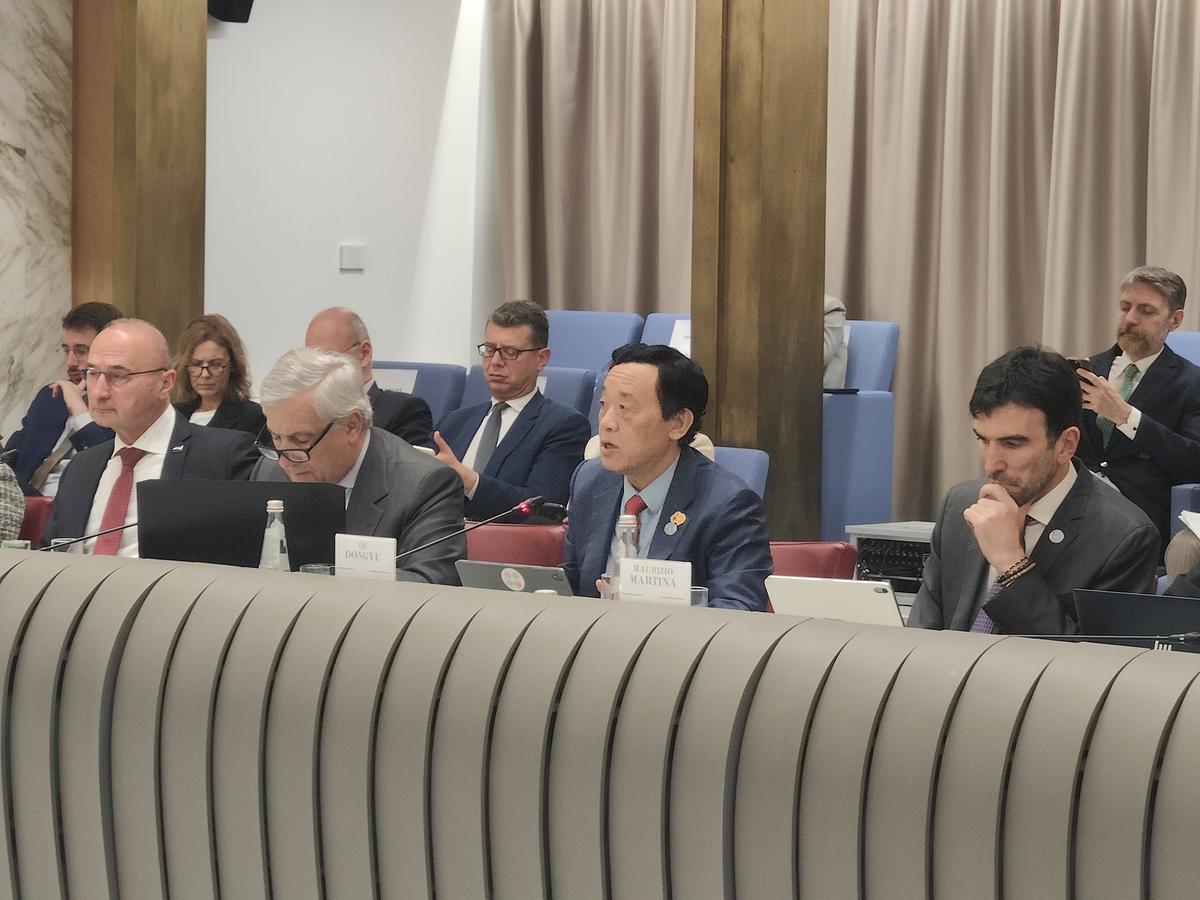
Strait of Hormuz Crisis: Fertilizer Scarcity Will Affect Next Harvests and Food Supplies, FAO Warns
Why It Matters
Fertilizer shortages will directly lower agricultural output, driving up food prices and threatening food‑security in vulnerable economies. The issue highlights the fragility of global supply chains that rely on a single maritime chokepoint.
Key Takeaways
- •Strait of Hormuz disruptions tighten global fertilizer markets.
- •Delayed fertilizer deliveries risk lower yields in 2026‑27.
- •Import‑dependent regions face heightened food‑security threats.
- •FAO urges alternative routes, diversification, and sustainable inputs.
- •MED9++ platform aims to coordinate regional fertilizer access.
Pulse Analysis
The Strait of Hormuz, a narrow waterway linking the Persian Gulf to the open ocean, handles a disproportionate share of the world’s oil, liquefied natural gas, sulfur and, crucially, nitrogen‑based fertilizers. Recent geopolitical tensions and security incidents have choked maritime traffic, causing a ripple effect that has already pushed fertilizer prices upward and constrained availability. Analysts note that the fertilizer market’s reliance on a single transit corridor makes it especially vulnerable to such shocks, prompting calls for diversified logistics and stockpiling strategies.
Agricultural calendars are unforgiving; key growth stages demand timely fertilizer application. Even a short delay forces farmers to cut back on nutrient use, which translates into measurable yield reductions. The FAO projects that the current shortage will manifest as lower harvests in the second half of 2026 and throughout 2027, tightening food supplies just as several regions—particularly parts of Africa, South Asia and the Middle East—are already grappling with climate‑driven stress and economic fragility. Higher input costs are expected to cascade into consumer food prices, amplifying inflationary pressures in import‑dependent economies.
In response, the FAO outlined a three‑phase strategy: immediate actions to keep trade routes open and avoid export bans; medium‑term coordination to diversify fertilizer sources and invest in renewable energy‑based inputs; and long‑term transformation toward sustainable agriculture, including green‑ammonia and bio‑fertilizers. The MED9++ initiative, bringing together more than 40 Mediterranean and partner nations, serves as a regional platform to operationalize these recommendations. By fostering joint procurement, shared logistics, and research into alternative nutrients, the coalition aims to reduce systemic risk and safeguard global food security against future geopolitical disruptions.
Strait of Hormuz crisis: Fertilizer scarcity will affect next harvests and food supplies, FAO warns
Comments
Want to join the conversation?
Loading comments...