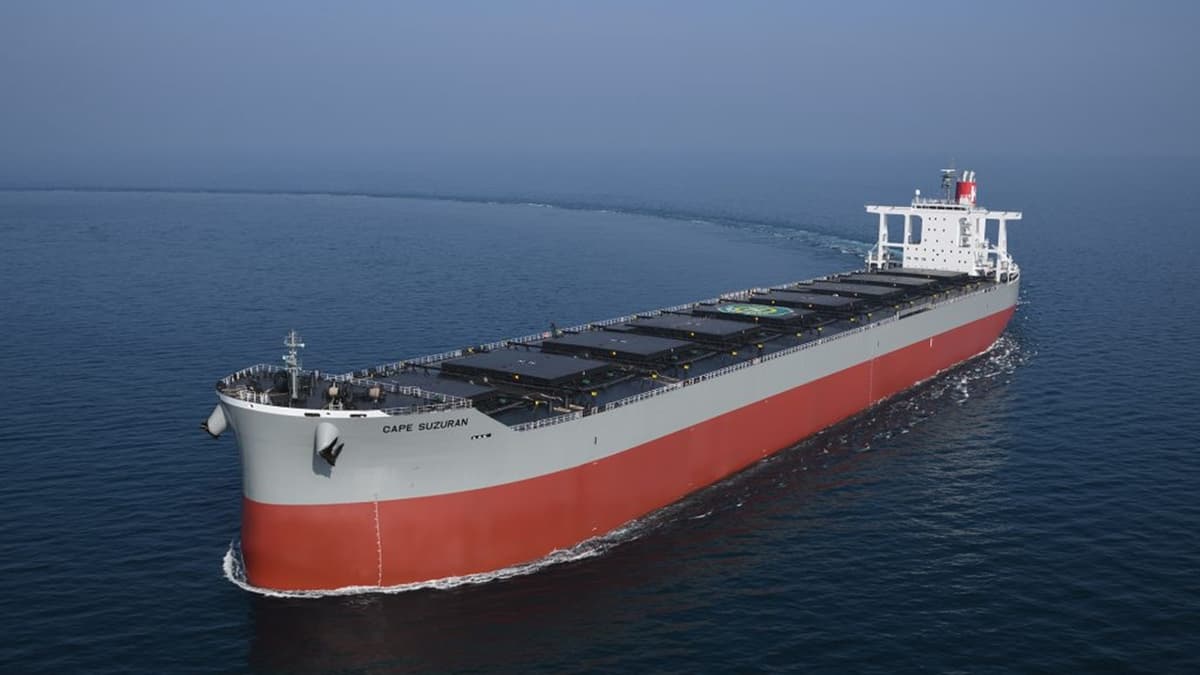
Strait of Hormuz Crisis Impacts 4% of Global Dry Bulk Trade
•March 5, 2026
0
Why It Matters
The bottleneck reduces supply of key commodities to Asia, raising freight rates and prompting shippers to seek costly alternatives, which could reshape global bulk trade patterns.
Key Takeaways
- •Bulk‑carrier transits down 70% week‑over‑week.
- •4% of global dry‑bulk volumes now impacted.
- •Limestone shipments via Strait represent 52% of world supply.
- •Overland routes insufficient for Gulf import demand.
- •Non‑Capesize segments face greatest market weakening.
Pulse Analysis
The Strait of Hormuz has long been a strategic conduit for energy, but its role in dry‑bulk logistics is now front‑page news. Recent hostilities have slashed vessel movements by roughly 70% compared with the previous week, translating into a 4% shortfall in global dry‑bulk volumes. While the bulk of the disruption concerns grains, iron ore and steel imports, the real shockwave stems from commodities such as limestone, sulphur and urea, which rely heavily on Gulf ports for export.
Freight markets are reacting swiftly. With over half of the world’s limestone and nearly half of sulphur shipments routed through the strait, carriers are scrambling for alternative pathways that often involve longer voyages around Africa or the Suez Canal, inflating fuel consumption and charter rates. Asian importers, particularly in India and Bangladesh, face tighter supply margins, prompting buyers to lock in higher spot rates and consider inventory buffers. The price elasticity of bulk commodities means that even a modest reduction in supply can trigger noticeable freight spikes, eroding profit margins for shippers while benefitting vessel owners with scarce capacity.
For shipowners and charterers, the crisis underscores the need for diversified routing strategies and flexible contract terms. BIMCO’s warning that non‑Capesize segments could weaken suggests a potential reallocation of fleet deployment toward larger vessels that can absorb longer detours more efficiently. In the medium term, investors may reassess exposure to Gulf‑origin bulk cargoes, while insurers will likely adjust war‑risk premiums. The episode serves as a reminder that geopolitical flashpoints can quickly ripple through seemingly unrelated commodity chains, reshaping trade flows and cost structures across the global shipping ecosystem.
Strait of Hormuz crisis impacts 4% of global dry bulk trade
0
Comments
Want to join the conversation?
Loading comments...