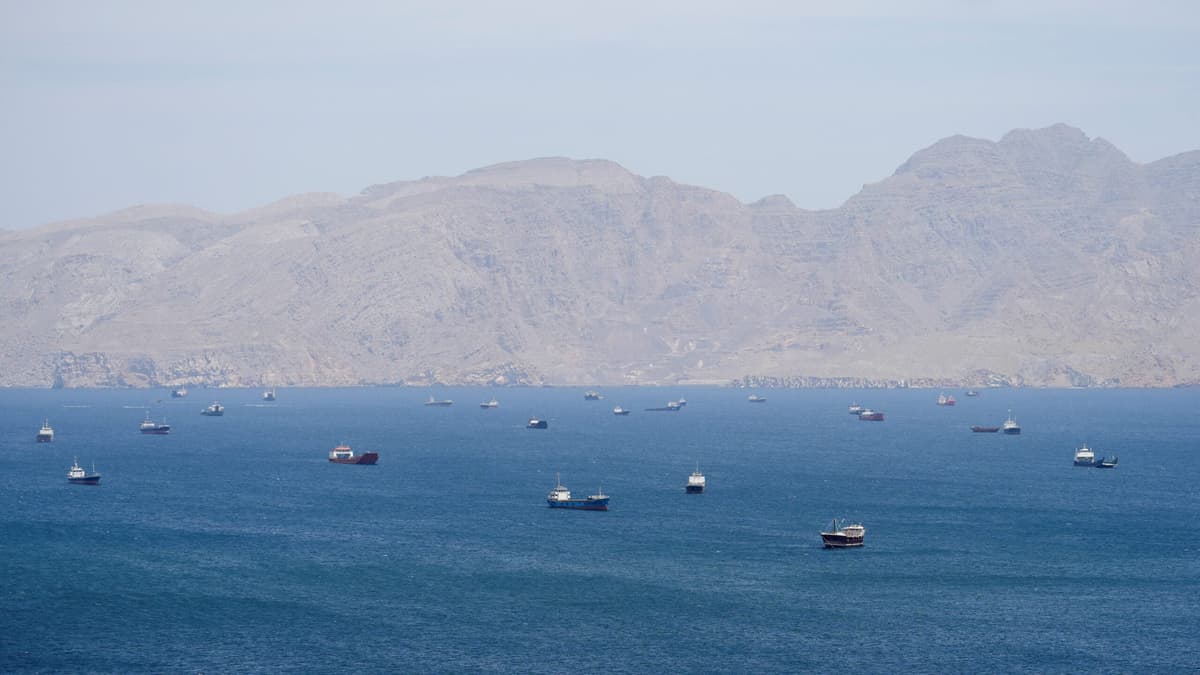
Strait of Hormuz Nears Third Month of Closure
Why It Matters
The prolonged closure throttles a critical oil conduit, heightening price volatility and amplifying geopolitical risk for global energy markets.
Key Takeaways
- •Idemitsu Maru moved 2 million barrels of Saudi crude to Japan.
- •Strait of Hormuz closure cuts roughly 20% of world oil flow.
- •U.S. naval blockade forces Iran to store crude on aging tankers.
- •Only ten vessels left Gulf in ten days, highlighting traffic freeze.
- •Ships may disable AIS, obscuring true transit numbers for analysts.
Pulse Analysis
The Strait of Hormuz, a chokepoint that traditionally handles about 20% of the world’s oil, has been effectively sealed off for three months, dramatically reshaping supply dynamics. While the Idemitsu Maru’s rare passage offers a glimpse of limited relief, the broader flow remains stifled, prompting traders to price in a persistent premium for crude sourced from the region. This scarcity has already nudged benchmark oil prices upward, as market participants hedge against the uncertainty of continued restrictions.
Shipping firms now confront a dual challenge: navigating the physical blockade and coping with increasingly opaque vessel tracking. Iran‑linked tankers frequently switch off Automatic Identification System (AIS) signals to evade U.S. frigates, complicating real‑time monitoring and inflating the risk of unreported movements. Consequently, analysts must rely on delayed satellite imagery and port reports, which can lag behind actual traffic. The resulting data gaps hinder accurate assessments of how much oil remains trapped in the Persian Gulf, forcing stakeholders to adopt more conservative inventory estimates.
Diplomatically, the stalemate persists as the United States signals readiness for an extended blockade, while Tehran refuses to negotiate without lifting naval restrictions. This impasse fuels broader geopolitical tensions, potentially spilling over into other energy corridors and prompting buyers to diversify supply sources. Investors and policymakers alike are watching for any shift—whether a diplomatic breakthrough or an escalation in naval encounters—that could reopen the strait and restore a smoother flow of oil, thereby stabilizing markets that have grown accustomed to heightened risk premiums.
Strait of Hormuz Nears Third Month of Closure
Comments
Want to join the conversation?
Loading comments...