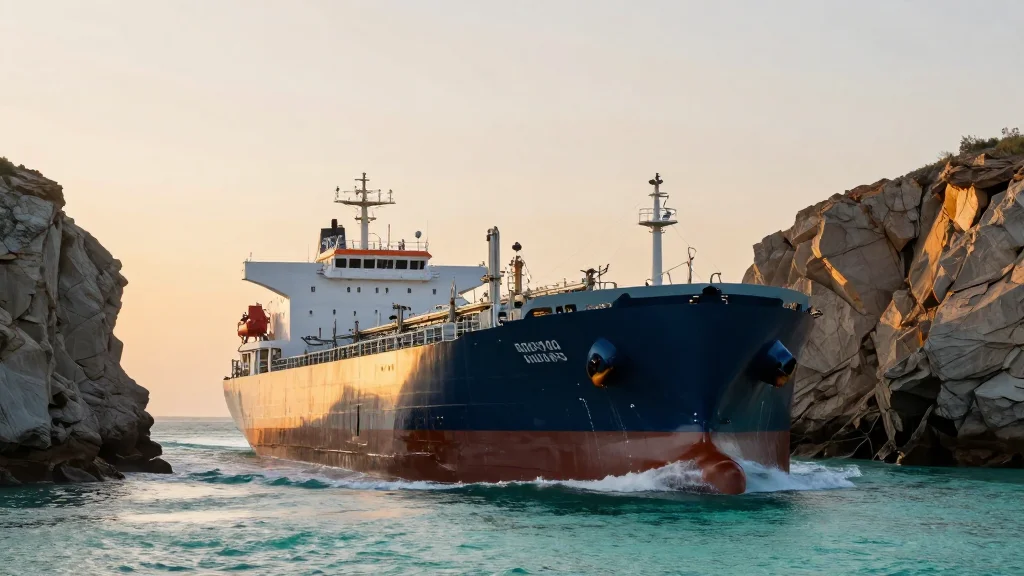
Strait of Hormuz Tensions Push Brent to $107.81, Squeeze Global Supply‑Chain Margins

Why It Matters
The Strait of Hormuz is a linchpin for global energy flows; any disruption reverberates through commodity pricing, freight costs and manufacturing schedules. By inflating fuel and feedstock prices, the crisis compresses profit margins and forces firms to re‑evaluate inventory strategies, potentially accelerating a shift toward near‑shoring or diversified sourcing. Moreover, heightened security restrictions on maritime and air routes expose the fragility of just‑in‑time logistics, prompting a reassessment of risk‑management frameworks across the supply‑chain ecosystem. For investors and policymakers, the episode underscores how quickly geopolitical flashpoints can translate into tangible cost pressures for end‑users. It also highlights the need for coordinated international response mechanisms to safeguard critical trade corridors, lest supply‑chain volatility become a persistent feature of the post‑pandemic economy.
Key Takeaways
- •Brent crude rose to $107.81 per barrel on March 27 amid Hormuz tensions
- •Marine fuel surcharges and air‑freight rates have spiked, eroding logistics margins
- •Petrochemical feedstock shortages threaten packaging, consumer goods and automotive parts
- •Manufacturers in South Asia are cutting workweeks and facing longer lead times
- •Three disruption channels identified: energy, freight and network reliability
Pulse Analysis
The Hormuz flare‑up arrives at a moment when the logistics industry was banking on a modest recovery in container rates after years of overcapacity. The sudden fuel price shock reverses that trajectory, re‑introducing cost inflation that could delay the anticipated return to profitability for many carriers. Historically, similar chokepoint crises—such as the 2011 Libyan civil war—prompted a temporary surge in freight rates, followed by a rapid re‑balancing as shippers diversified routes. This time, however, the simultaneous tightening of airspace and maritime security adds a layer of complexity that may prolong the price impact.
From a strategic standpoint, firms that have already invested in multi‑modal flexibility and regional buffer stocks will weather the storm better than those reliant on single‑source, just‑in‑time models. The crisis may accelerate the adoption of digital twin simulations and AI‑driven scenario planning, tools that can quickly re‑optimize network designs under volatile conditions. Companies that fail to incorporate such resilience measures could see margin compression that outpaces the broader industry trend.
Looking ahead, the duration of the Hormuz disruption will be a key determinant of whether the supply‑chain shock is a short‑term blip or a catalyst for structural change. If tensions de‑escalate within weeks, the market may absorb the cost shock without lasting damage. A protracted standoff, however, could embed higher freight baselines into contracts, reshape sourcing footprints, and push policymakers to prioritize strategic petroleum reserves and alternative trade corridors. Stakeholders should monitor diplomatic developments closely while simultaneously hardening their logistics networks against future geopolitical risks.
Strait of Hormuz Tensions Push Brent to $107.81, Squeeze Global Supply‑Chain Margins
Comments
Want to join the conversation?
Loading comments...