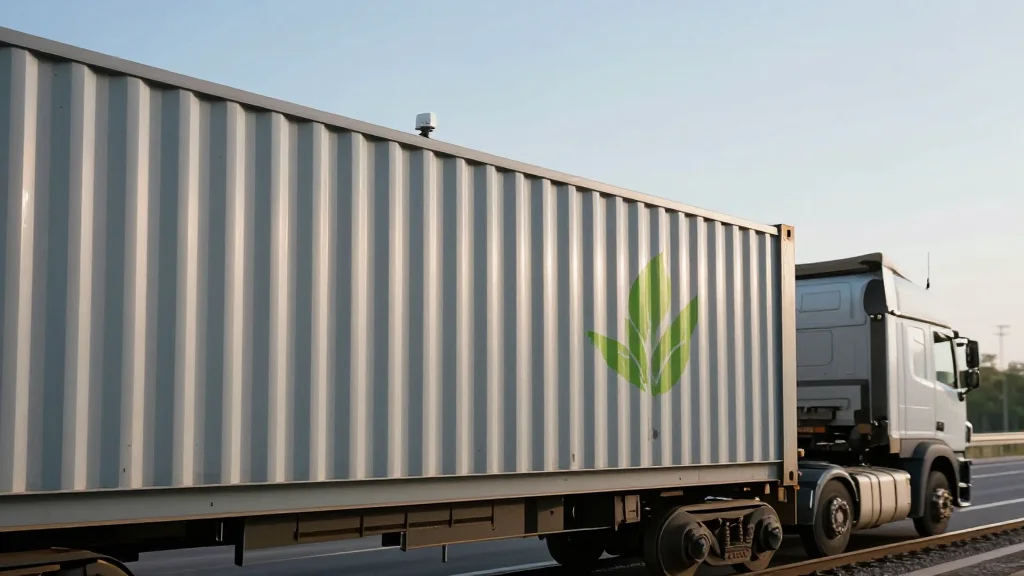
Strategic Intermodal Integration: Efficiency, Visibility and the New Length-of-Haul
Companies Mentioned
Why It Matters
The shift expands cost‑effective, sustainable transport options for mid‑haul routes, strengthening supply‑chain resilience amid driver shortages and fuel volatility.
Key Takeaways
- •Intermodal viable for 600‑1,000‑mile lanes, matching truck speed
- •GPS‑enabled containers provide real‑time, end‑to‑end visibility
- •Rail cuts CO₂ emissions up to 65% versus trucking
- •Werner’s private fleet and EDGE tech boost security, compliance
- •Regional intermodal eases spot‑truck volatility during seasonal surges
Pulse Analysis
The intermodal market has entered a transformative phase, driven by heavy investment in digital tracking and security technologies. GPS‑enabled containers, real‑time EDI integration, and platforms like Werner EDGE now give shippers a “single pane of glass” view that rivals traditional trucking dashboards. This visibility eliminates the historic “dark periods” of rail freight, making rail a credible partner in time‑sensitive supply chains and encouraging broader adoption across industries that once dismissed intermodal as a niche, low‑speed option.
A critical development is the emergence of a 600‑ to 1,000‑mile sweet spot where rail‑truck combos can compete on both cost and speed. On these mid‑haul corridors, intermodal often achieves a “truck + one day” transit, matching or beating over‑the‑road rates while delivering up to 65% lower CO₂ emissions. For shippers grappling with volatile spot‑truck markets and tightening driver capacity, regional intermodal offers a reliable pressure‑relief valve, smoothing seasonal peaks and ensuring Hours‑of‑Service compliance by shifting long‑haul mileage to rail. The sustainability upside also aligns with ESG mandates, helping companies meet Scope 3 emissions targets.
Success in this evolving landscape hinges on provider capabilities. Werner Enterprises exemplifies a model that blends scale with specialized assets: a private fleet of 600+ containers, owned drayage trucks, and C‑TPAT‑certified terminals. This integrated approach delivers end‑to‑end security, rapid issue resolution, and a one‑stop logistics experience that traditional brokers cannot match. As rail carriers continue to enhance service frequency and digital connectivity, regional intermodal is poised to become a cornerstone of resilient, cost‑effective supply chains, especially as fuel volatility and driver shortages persist.
Strategic intermodal integration: Efficiency, visibility and the new length-of-haul
Comments
Want to join the conversation?
Loading comments...