Supply Chain Interoperability Is Becoming the Foundation for AI-Enabled Logistics
Why It Matters
Without interoperable, real‑time data, AI cannot deliver the speed and accuracy needed for modern logistics, making interoperability a critical competitive differentiator for both technology vendors and enterprise buyers.
Key Takeaways
- •Interoperability now demands timely, trusted, contextual data, not just connectivity
- •APIs and event streams complement EDI for real‑time logistics signals
- •AI agents need cross‑domain data to automate exception management
- •Governed master data across entities is essential for reliable AI output
- •Suppliers win by offering open APIs, standardized models, and auditability
Pulse Analysis
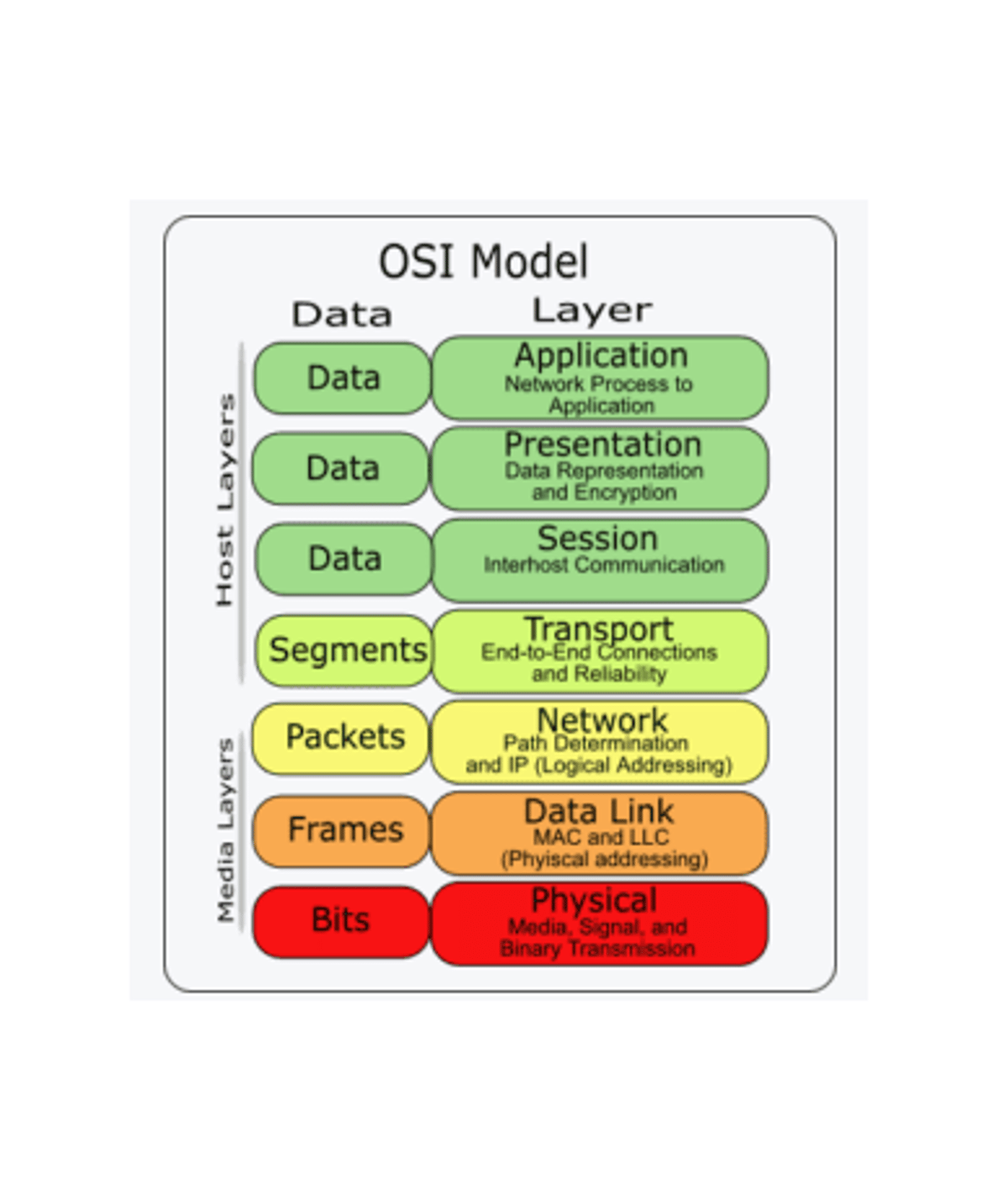
The shift from isolated integration projects to a connected decision network is reshaping logistics strategy. While enterprises have long invested in EDI, middleware, and point‑to‑point APIs, these tools alone no longer guarantee the speed or relevance of information needed for AI‑driven actions. Modern supply chains must move beyond simple data exchange to ensure that each signal—whether a shipment delay, inventory shortfall, or capacity change—is delivered in near real time, standardized, and enriched with the context required for autonomous decision making. This layered approach mirrors the OSI model, where physical sensors, local communication, network transport, and application layers must all align to provide a coherent operational picture.
AI amplifies the stakes of interoperability because machine‑learning models thrive on clean, consistent, and timely inputs. A recommendation engine that reroutes freight or adjusts inventory policies cannot function if the underlying data is fragmented or delayed. Event‑driven architectures, which publish operational changes as they happen, give AI systems the continuous stream of signals they need to reason across domains such as procurement, production, finance, and customer service. Moreover, advanced techniques like retrieval‑augmented generation and graph‑based reasoning depend on well‑governed master data and a unified knowledge layer, turning raw events into actionable insights.
For technology vendors and enterprise buyers, the new competitive edge lies in building interoperable ecosystems rather than showcasing isolated AI demos. Vendors must expose open APIs, support standardized data models, and enable audit trails that trace AI recommendations back to source data and business rules. Buyers, on the other hand, should assess their data governance, real‑time event capabilities, and cross‑functional workflow integration before scaling AI investments. By treating interoperability as strategic infrastructure—akin to the backbone of a digital supply network—companies can ensure that AI moves from pilot to production, delivering measurable improvements in speed, cost, and service reliability.
Supply Chain Interoperability Is Becoming the Foundation for AI-Enabled Logistics
Comments
Want to join the conversation?
Loading comments...