Survey: SMBs Have Built “Tariff Toolkits” To Cope with Disruption
Why It Matters
Tariff pass‑through pressures consumer prices while SMBs’ new analytics‑based toolkits enhance supply‑chain agility, reshaping competitive dynamics in the U.S. market.
Key Takeaways
- •82% of SMBs pass tariff costs to customers via price hikes
- •One‑third of SMBs switched suppliers due to tariff pressure
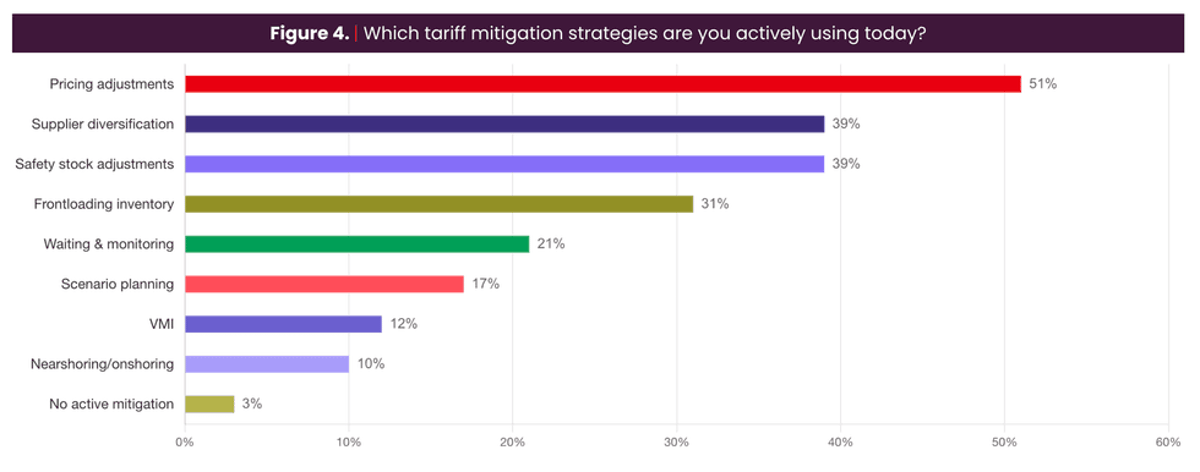
- •Nearly 60% employ multiple mitigation tactics like safety stock and scenario planning
- •73% extended inventory planning horizons, moving from reactive to strategic
- •Cost concerns top issue for 72% of SMBs amid tariff turbulence
Pulse Analysis
Over the past year, a wave of White House tariff measures has forced American small and medium‑sized businesses to confront higher import fees on everything from raw materials to finished goods. A Netstock survey reveals that 82 % of SMBs have moved from absorbing those costs to directly raising prices, with 92 % of the price adjustments applied as straightforward hikes. The shift reflects mounting margin pressure and a growing willingness to transfer expense to end‑customers, a trend that could ripple through consumer pricing and inflation metrics.
Faced with that pressure, nearly 60 % of SMBs now deploy two or more mitigation tactics simultaneously, blending safety‑stock buffers, scenario‑planning models, supplier diversification and pricing levers into coordinated playbooks. The survey shows 73 % have lengthened inventory planning horizons, moving away from the reactive, short‑cycle approaches that dominated early tariff responses. By leveraging analytics platforms, these firms can evaluate trade‑off scenarios in real time, turning data into actionable strategies that bolster supply‑chain resilience without inflating headcount.
The broader market implications are clear: as SMBs pass tariffs onto buyers, price sensitivity rises, pressuring larger retailers and manufacturers to renegotiate contracts or absorb margins themselves. Meanwhile, the adoption of multi‑layered mitigation toolkits signals a maturation of the SMB supply‑chain function, narrowing the gap with enterprise‑level planning capabilities. Analysts expect the trend to continue through the remainder of 2026, especially if geopolitical tensions sustain. Technology vendors that offer integrated forecasting, scenario analysis and supplier‑risk modules stand to benefit from this accelerating demand.
Survey: SMBs have built “tariff toolkits” to cope with disruption
Comments
Want to join the conversation?
Loading comments...