Taiwan Accuses China of Vegetable Laundering via Vietnam
Why It Matters
The move highlights vulnerabilities in Taiwan’s supply‑chain security and could strain cross‑strait relations, while prompting tighter customs enforcement across the region. It also signals potential disruptions for consumers and growers dependent on imported produce.
Key Takeaways
- •Taiwan bans over 1,000 Chinese agri and fishery items.
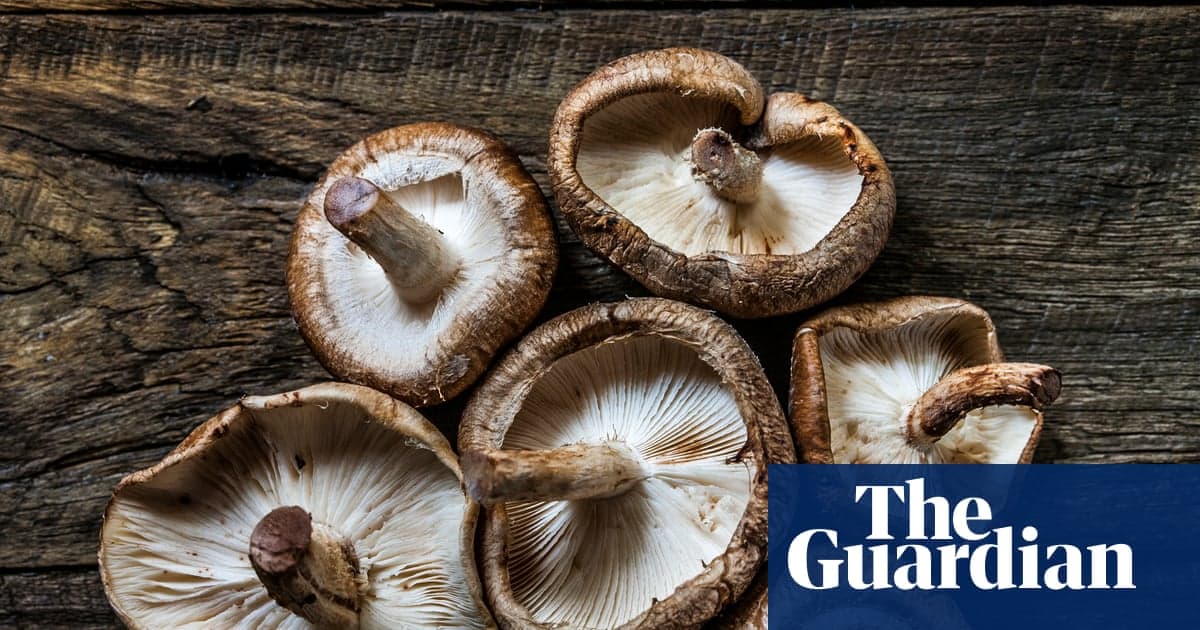
- •Chinese firms route Napa cabbage, shiitake via Vietnam to bypass bans.
- •Officials label the scheme “origin washing” and plan stricter inspections.
- •Vietnam may face diplomatic pressure as a transit hub.
- •Potential impact on regional supply chains and consumer prices in Taiwan.
Pulse Analysis
Taiwan’s stringent import restrictions on Chinese agricultural goods stem from longstanding political and bio‑security concerns. By prohibiting more than a thousand product categories, the island aims to protect domestic farmers and prevent potential contamination. However, the ban also creates a market gap that exporters are eager to fill, prompting creative—if illicit—logistical workarounds. Understanding the regulatory backdrop helps explain why firms view Vietnam’s proximity and relatively lax re‑export controls as an attractive conduit.
The term “origin washing” mirrors tactics seen in other commodities, where the true provenance is masked to evade tariffs or bans. In this case, Chinese producers ship vegetables to Vietnamese processing hubs, re‑label them as locally sourced, and then forward them to Taiwan. Such schemes exploit loopholes in customs documentation and benefit from limited traceability in regional supply chains. Enforcement agencies are now deploying advanced inspection technologies, including DNA testing and blockchain‑based traceability pilots, to verify the botanical origin of produce before it reaches Taiwanese ports.
Beyond the immediate trade dispute, the episode could reshape regional food‑supply dynamics. If Taiwan tightens its controls, Vietnamese exporters may see a short‑term boost in processing volumes, while Chinese growers could lose a valuable export outlet, potentially driving up domestic prices. Consumers in Taiwan might face higher retail costs for staples like cabbage and mushrooms. Moreover, the diplomatic fallout may prompt broader cooperation among ASEAN customs authorities to standardize origin verification, influencing how other nations combat similar laundering tactics in the global agri‑food market.
Taiwan accuses China of vegetable laundering via Vietnam
Comments
Want to join the conversation?
Loading comments...