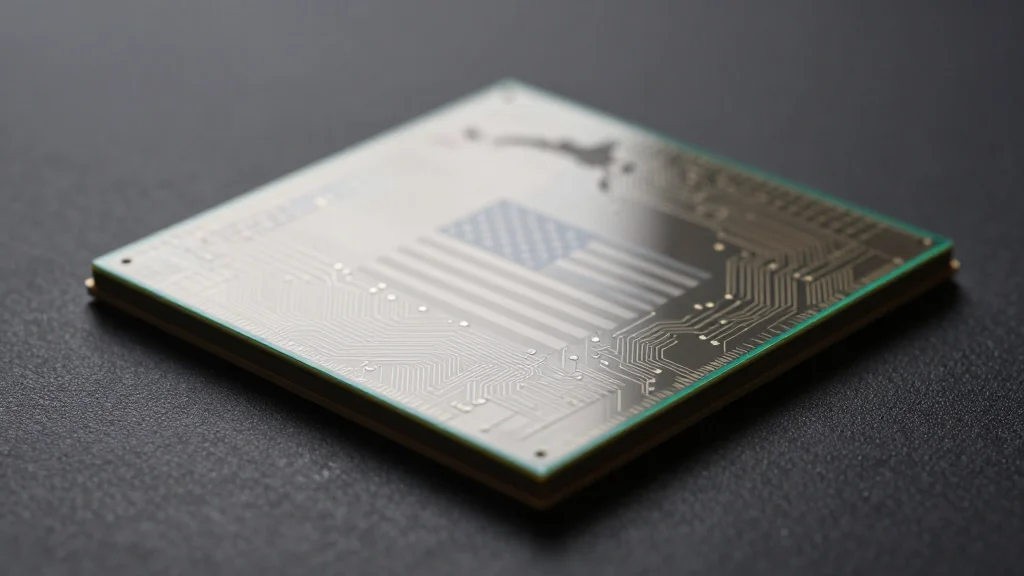
"Taiwan Loses Its Strategic Importance In 18 Months," Says Chamath Palihapitiya
Key Takeaways
- •Chamath predicts Taiwan's chip relevance fades within 18 months
- •U.S. fabs in Arizona aim to replicate Taiwan's production capacity
- •1‑2 nm lithography could cut dependence on Taiwan's foundries
- •Shift may alter regional security dynamics and U.S.–China rivalry
Pulse Analysis
The semiconductor supply chain has long hinged on Taiwan’s foundries, which produce roughly 65% of the world’s most advanced chips. Recent U.S. policy, spurred by the CHIPS Act, has accelerated investment in domestic fabs, especially in Arizona, where companies like TSMC and Intel are building 3‑nanometer lines. While these plants are still ramping up, the industry is racing toward sub‑2‑nanometer processes that could unlock new design flexibility and reduce the need for external manufacturing. If successful, this technological leap would diminish the strategic leverage Taiwan currently holds as the primary source of cutting‑edge silicon.
Beyond pure economics, the geopolitical stakes are high. Taiwan sits at the heart of the Western Pacific security architecture, serving as a deterrent against Chinese expansion. Chamath’s assertion that nanometer‑scale breakthroughs will render Taiwan less critical challenges the traditional view that the island’s value is inseparable from its chip output. A domestic U.S. supply chain would not only safeguard critical technologies but also shift the calculus of military planners, potentially lowering the perceived risk of a conflict over Taiwan’s semiconductor role.
However, analysts caution that replacing Taiwan’s ecosystem is not merely a matter of capacity. The island’s deep talent pool, mature ecosystem, and integrated supply network have been honed over decades. Even with advanced fabs, the U.S. must develop comparable design talent, materials, and testing infrastructure. Moreover, a rapid decoupling could provoke Beijing to accelerate its own semiconductor ambitions, intensifying the tech rivalry. Stakeholders therefore need to monitor both the technical progress of sub‑2‑nanometer manufacturing and the broader diplomatic signals as the balance of power evolves.
"Taiwan Loses Its Strategic Importance In 18 Months," Says Chamath Palihapitiya
Comments
Want to join the conversation?