Tariff Fraud Enforcement Targets Importers over Alleged Duty Evasion
Companies Mentioned
Why It Matters
These actions signal a tougher regulatory environment that raises compliance costs and legal risk for importers, while protecting U.S. revenue and leveling the playing field for domestic manufacturers.
Key Takeaways
- •First Brands faces $285.5 M claim for undervaluing Chinese auto parts.
- •Perfectus Aluminum settles for $549.5 M over false pallet classification.
- •Canadian steel firms pay $19 M for misdeclared country‑of‑origin.
- •CBP flags Greenbrier for undeclared Mexican and Chinese rail couplers.
- •South Texas importer pleads guilty to $100 K undervaluation scheme.
Pulse Analysis
The latest wave of tariff‑evasion enforcement reflects a strategic shift by the Department of Justice and U.S. Customs and Border Protection toward coordinated, multi‑track actions. By leveraging the False Claims Act, whistleblower lawsuits, bankruptcy claims, and direct CBP investigations, regulators are closing loopholes that have long allowed importers to understate values, misclassify products, or disguise origins. This integrated approach not only increases the probability of detection but also amplifies financial penalties, sending a clear deterrent message across the supply chain.
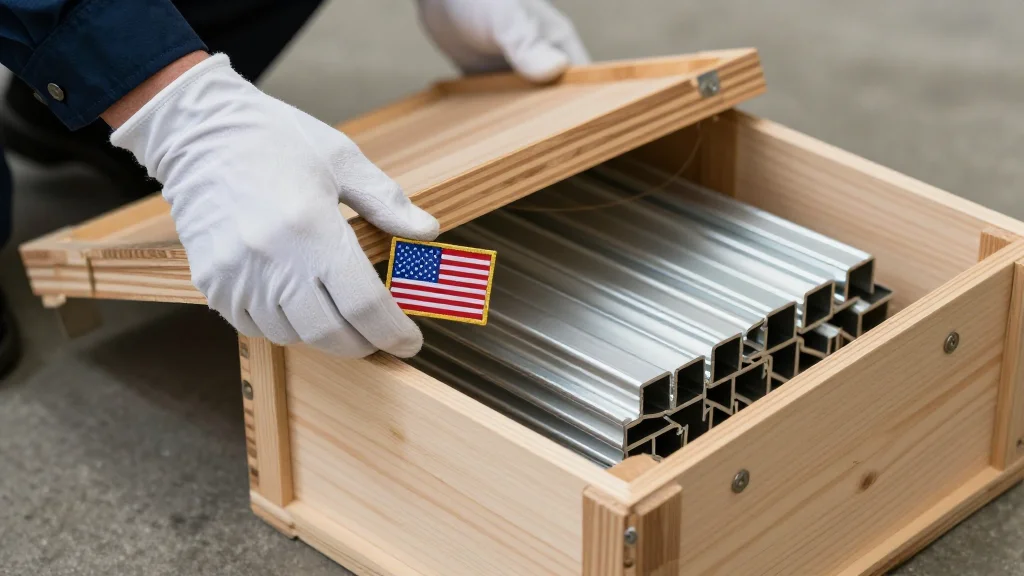
High‑profile cases illustrate the diverse tactics used to dodge duties. First Brands allegedly cut declared transfer prices by roughly 32%, prompting a $285.5 million claim in its Chapter 11 proceedings. Perfectus Aluminum’s $549.5 million settlement stemmed from labeling aluminum extrusions as finished pallets to escape antidumping and countervailing duties, while Canadian steel entities faced a $19 million penalty for falsely claiming Canadian or U.S. origin on imports from Asia and Europe. The Greenbrier rail‑coupler case underscores that even complex, cross‑border equipment can trigger enforcement when proper entry filings are omitted.
Policy momentum is accelerating. A recent executive order mandates higher bonding levels, stricter disclosure rules, and a 50 percent minimum penalty floor for customs violations, signaling that the administration will prioritize revenue protection and fair competition. Importers must therefore invest in robust compliance programs, enhance data transparency, and monitor supply‑chain transactions for red‑flag indicators such as abrupt price drops or inconsistent product classifications. Failure to adapt could result in multi‑million‑dollar liabilities, reputational damage, and operational disruptions, reshaping how U.S. businesses manage international sourcing and customs reporting.
Tariff fraud enforcement targets importers over alleged duty evasion
Comments
Want to join the conversation?
Loading comments...