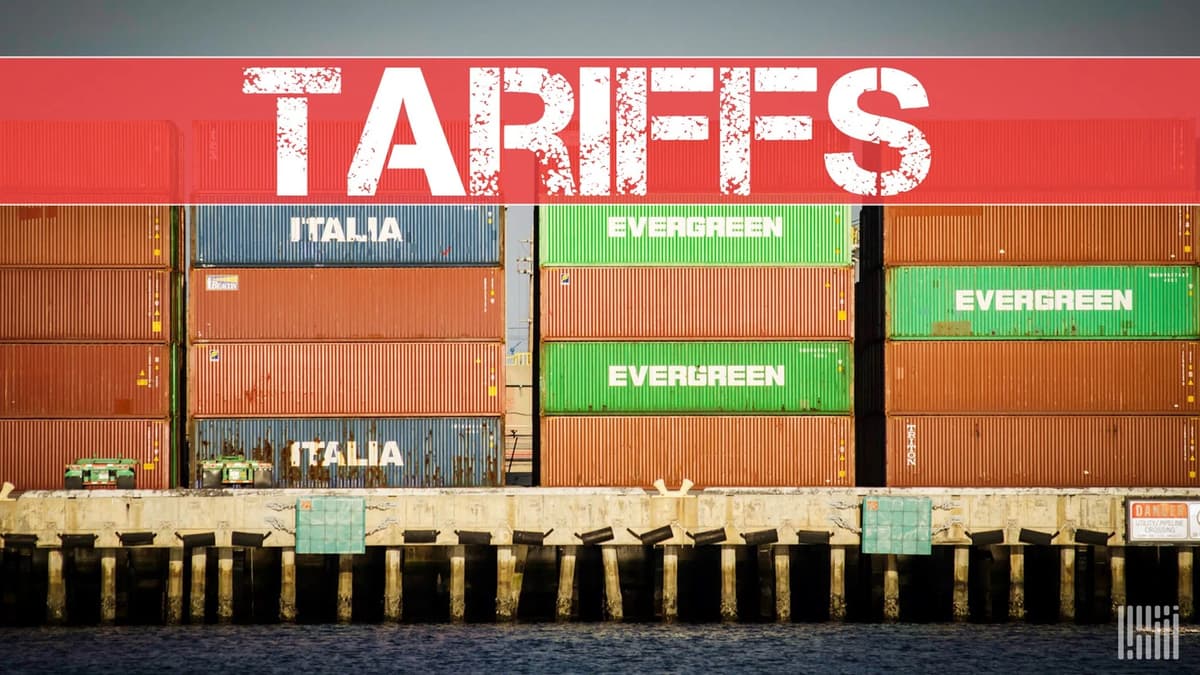
Tariff Uncertainty Deepens for Shippers After New Court Ruling Against Trump
Companies Mentioned
Why It Matters
The decision removes a costly tariff layer, potentially restoring cash flow for importers and stabilizing freight markets, while the concurrent trade tensions risk reshaping cross‑border pricing and supply‑chain strategies.
Key Takeaways
- •Court of International Trade invalidates 10% global tariffs
- •Refunds expected for over $166 billion of prior duties
- •Trump threatens higher EU tariffs unless deal ratified by July 4
- •Automakers lobby to keep USMCA intact ahead of July 1 review
- •Truckload tender rejection index rises 13% YoY, indicating tightening
Pulse Analysis
The recent ruling by the U.S. Court of International Trade marks a pivotal shift in the Trump administration’s tariff agenda. After the Supreme Court concluded that the president lacked authority under the International Emergency Economic Powers Act, the court affirmed that the 10% global duties violated Section 122 of the Trade Act of 1974. This legal reversal not only halts further collections but also opens the door for importers to seek refunds, with the Treasury preparing to return more than $166 billion already collected. For businesses that paid the duties, the decision restores liquidity and reduces the cost‑of‑goods pressure that had been eroding margins across sectors ranging from consumer toys to specialty foods.
Concurrently, President Trump is intensifying trade pressure on the European Union, demanding ratification of a pending trade agreement by July 4 and warning of steep tariff hikes if the deadline is missed. The threat of a 25% tariff on European automobiles compounds existing Section 232 duties, creating a volatile environment for auto manufacturers that rely on transatlantic supply chains. In response, major automotive groups have urged the administration to extend the USMCA, emphasizing that a fragmented approach would increase regulatory complexity and jeopardize the integrated North American production network that underpins the industry’s competitiveness.
Freight markets are already feeling the ripple effects. SONAR’s Truckload Tender Rejection Index climbed to 13.24%, a 13% year‑over‑year increase, signaling tighter capacity ahead of the July‑August import peak season. Shippers are reassessing sourcing strategies, while carriers brace for higher load‑rejection rates and elevated brokerage activity. The confluence of legal uncertainty, geopolitical trade maneuvers, and tightening trucking capacity suggests that logistics firms must stay agile, leveraging real‑time data and diversified routing to mitigate risk and capture opportunities in a rapidly evolving trade landscape.
Tariff uncertainty deepens for shippers after new court ruling against Trump
Comments
Want to join the conversation?
Loading comments...