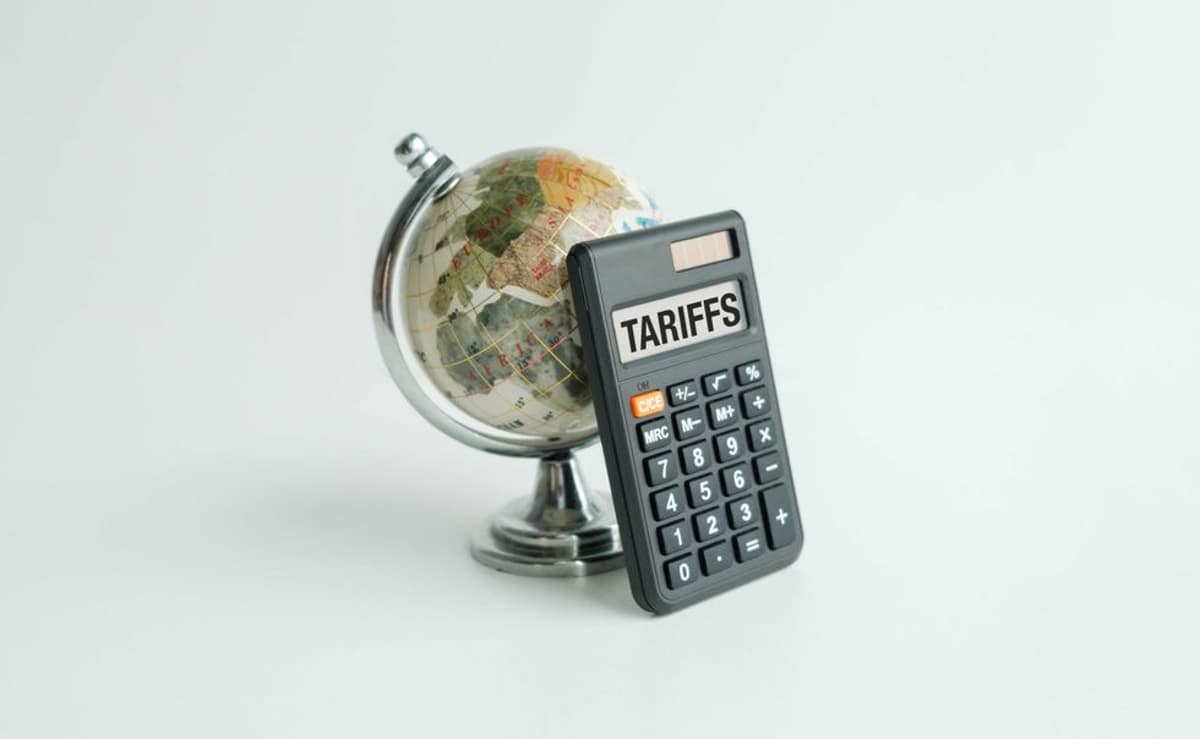
Tariffs Hit Small, Medium Businesses Hard
Why It Matters
Tariff‑driven cost spikes threaten SMB profitability and customer retention, forcing a reassessment of supply‑chain resilience across the U.S. economy.
Key Takeaways
- •96% of U.S. SMBs say tariffs hurt shipping/sourcing
- •Tariffs now outrank freight rates, port congestion, geopolitical risk
- •62% report lost revenue; 51% see customer churn
- •Only 28% have real‑time visibility; 51% never tested plans
- •31% expect tariff impact to be significant or devastating in 2026
Pulse Analysis
Tariffs have resurfaced as the dominant pain point for America’s small and medium‑sized enterprises, according to a fresh Ship4wd survey. While import duties have long been a line‑item cost, the data shows they now outweigh traditional logistics challenges such as freight price volatility, congested ports, and even geopolitical uncertainty. For SMBs still recovering from pandemic‑induced disruptions, the added expense erodes margins and forces difficult pricing decisions, often resulting in delayed shipments or reduced inventory buffers.
The survey also uncovers a stark preparedness gap. Although 83% of respondents claim to be “somewhat” or “very” ready for supply‑chain shocks, only 28% possess end‑to‑end, real‑time visibility into their logistics network, and more than half have never exercised a disruption response plan. This overconfidence can amplify the financial fallout when tariffs trigger sudden cost spikes or sourcing delays, leading to the 62% of firms reporting lost revenue and the 51% experiencing customer churn. Enhanced data integration and routine stress‑testing are emerging as critical levers for mitigating these risks.
For policymakers and industry players, the findings signal a need for clearer tariff frameworks and supportive tools that help SMBs navigate cost volatility. Digital freight forwarders like Ship4wd are positioned to deliver real‑time analytics, automated compliance checks, and scenario planning that can bridge the visibility gap. As 2026 looms, businesses that invest in technology‑driven resilience are likely to safeguard profit margins and retain customers, turning tariff turbulence into a manageable operational variable rather than an existential threat.
Tariffs hit small, medium businesses hard
Comments
Want to join the conversation?
Loading comments...