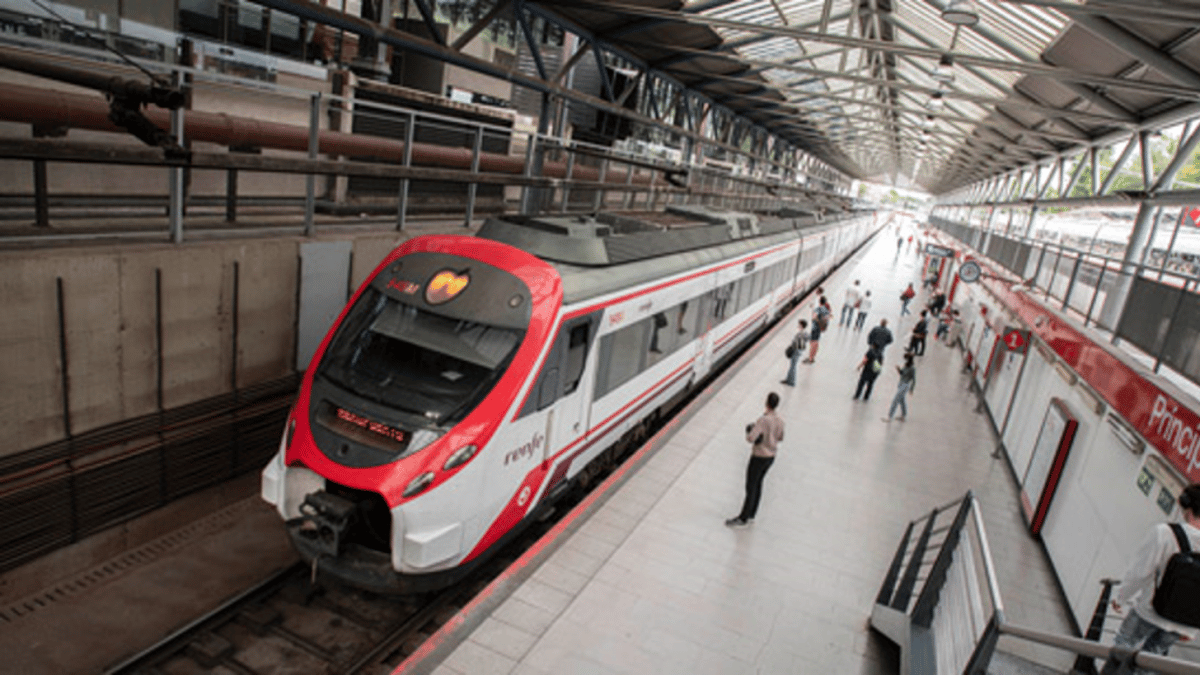
Tender for Signalling on Madrid’s C-5 Commuter Line
Why It Matters
Modernizing the C‑5 line enhances commuter capacity and safety while positioning Madrid’s rail network for next‑generation European signaling standards, reinforcing Spain’s transport infrastructure competitiveness.
Key Takeaways
- •Adif’s €32 million signaling tender targets 20.7 km of C‑5 line
- •Upgrade includes LED signals, fiber‑optic links, and Asfa Digital system
- •Project prepares line for future ERTMS Level 2 implementation
- •Modernisation part of €1.35 billion Madrid Suburban Rail Plan
Pulse Analysis
Adif’s latest tender marks a pivotal step in modernising Spain’s busiest commuter corridors. By allocating roughly $35 million to overhaul the signaling suite on the C‑5 line, the operator not only addresses aging infrastructure but also aligns with EU‑backed funding mechanisms such as the European Regional Development Fund. The contract’s scope—spanning 11 stations and a 20.7‑kilometre stretch—signals a concerted effort to standardise equipment, reduce maintenance costs, and improve service reliability across the Madrid Cercanías network.
Technically, the project replaces legacy signals with energy‑efficient LED units, installs fiber‑optic backbones for real‑time data transmission, and deploys the Asfa Digital traffic‑management platform. These upgrades enable tighter train headways, allowing bi‑directional operation on both tracks and increasing overall line capacity. Crucially, the new infrastructure is engineered to accommodate ERTMS Level 2, the European standard for high‑performance rail traffic control, which promises automated train protection and greater network interoperability. The inclusion of advanced track circuits further refines train‑position detection, enhancing safety margins and operational resilience.
The C‑5 signalling renewal is a cornerstone of the broader €1.35 billion Madrid Suburban Rail Plan, which encompasses line extensions, station upgrades, and parallel projects like the Pinar de Las Rozas–Las Matas double‑track. By integrating cutting‑edge technology now, Adif positions the commuter system to meet rising passenger demand and future‑proofs it against evolving regulatory standards. The initiative also underscores Spain’s commitment to leveraging EU funds for strategic transport investments, a trend that could stimulate additional private‑public partnerships and reinforce the country’s role as a leader in European rail modernization.
Tender for signalling on Madrid’s C-5 commuter line
Comments
Want to join the conversation?
Loading comments...