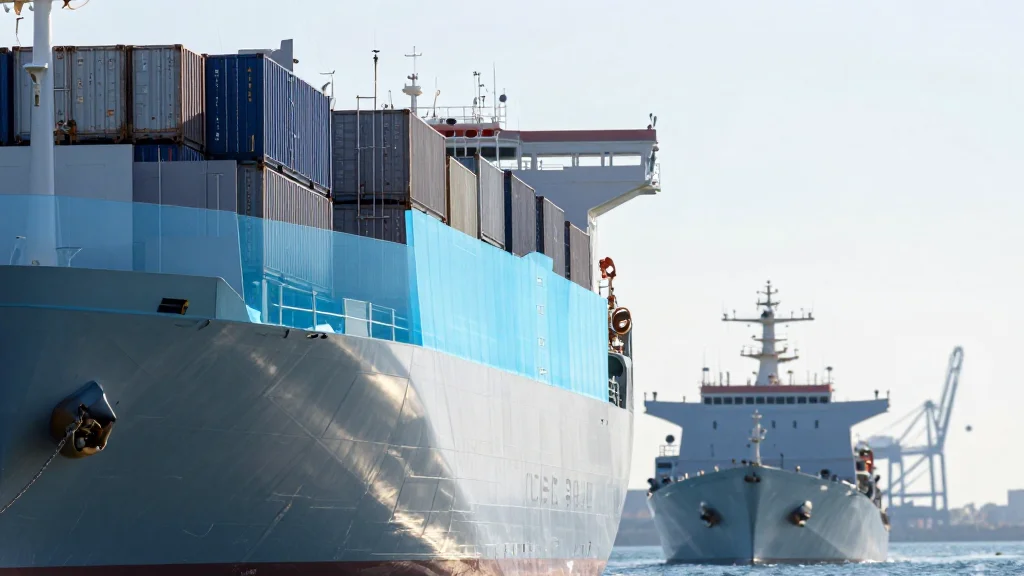
Tensions on Middle East Maritime Routes Threaten Global Trade, Vietnam Leader Warns
Why It Matters
Disruptions to these chokepoints would raise shipping costs, delay deliveries and strain energy markets, forcing companies to rethink risk management. The call for coordinated security highlights a growing geopolitical risk that could reshape global trade flows.
Key Takeaways
- •Middle East sea routes handle over 20% of global trade
- •Disruption could spike shipping costs and delay deliveries
- •Energy supplies vulnerable; oil shipments could face delays
- •Vietnam urges coordinated maritime security measures
- •Companies may reassess supply‑chain risk in region
Pulse Analysis
The Red Sea, Bab al‑Mandab and the Strait of Hormuz together channel more than a fifth of world trade, moving everything from containerized goods to crude oil. Recent Houthi missile strikes, Iranian‑Israeli proxy confrontations, and the lingering Yemeni civil war have turned these arteries into flashpoints, prompting insurers to raise premiums and carriers to reroute vessels around the Cape of Good Hope. Such shifts add weeks to transit times and inflate freight rates, eroding the cost advantage of just‑in‑time logistics that many manufacturers rely on.
When a chokepoint stalls, the ripple effect reaches commodity markets and end‑consumer prices. A brief closure of the Hormuz corridor can shave billions of dollars off daily oil flow, spiking Brent crude and prompting refiners to tap strategic reserves. Likewise, container congestion in the Red Sea forces shippers to book earlier sailings or pay for slower, longer routes, squeezing margins across the supply chain. Companies with heavy reliance on Asian‑European trade corridors are especially vulnerable, as delays cascade into inventory shortages and production slowdowns.
Vietnam’s appeal for a coordinated maritime security framework reflects a broader shift toward multilateral risk mitigation. Regional powers, NATO allies, and commercial groups are exploring joint patrols, real‑time threat‑sharing platforms, and insurance mechanisms to safeguard vessels. For businesses, the prudent response includes diversifying routing options, bolstering inventory buffers, and reassessing supplier footprints. As geopolitical friction persists, proactive engagement with security initiatives will become a competitive differentiator for firms seeking resilient, cost‑effective global operations.
Tensions on Middle East maritime routes threaten global trade, Vietnam leader warns
Comments
Want to join the conversation?
Loading comments...