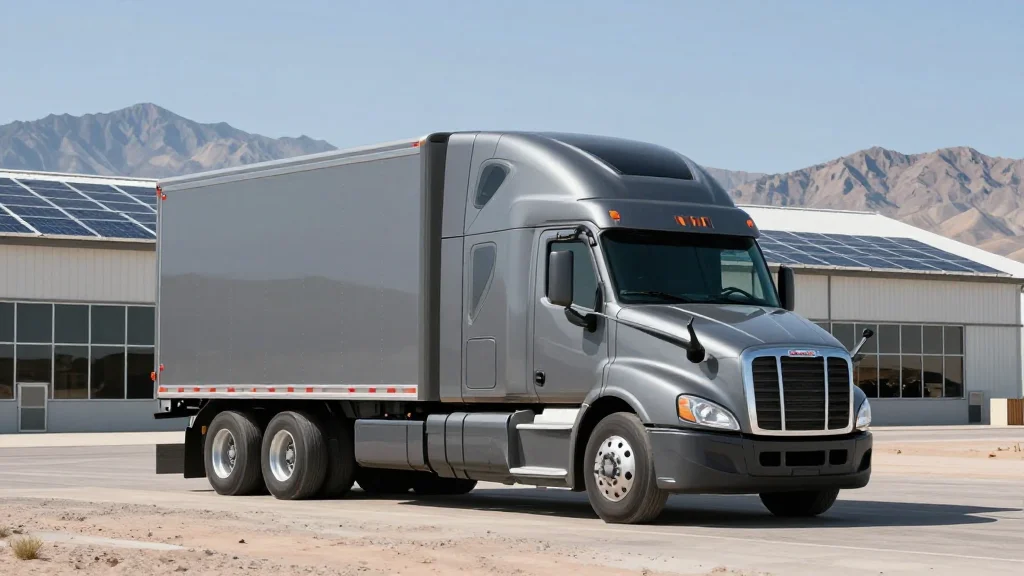
Tesla Launches Nevada Semi Factory, Aims for 50,000 Electric Trucks Annually

Why It Matters
The Nevada Semi factory represents a tangible step toward decarbonizing long‑haul freight, a sector responsible for a sizable share of transportation emissions. By integrating battery production with vehicle assembly, Tesla aims to shrink the time and cost gaps that have slowed electric truck adoption. If successful, the model could set a new benchmark for how heavy‑vehicle manufacturers structure their supply chains, encouraging broader industry shifts toward electrification and tighter control over critical components. Beyond environmental benefits, the factory could reshape market dynamics. Traditional truck makers may need to rethink their reliance on external battery suppliers, potentially leading to new joint ventures or in‑house battery programs. The resulting competition could accelerate cost reductions for electric trucks, making them viable for a wider range of carriers and ultimately reshaping freight pricing and routing strategies.
Key Takeaways
- •Tesla opened a Nevada factory dedicated to the Semi truck, targeting 50,000 units annually.
- •The plant is co‑located with Tesla’s 4680 battery cell factory, creating a single‑site production loop.
- •Early adopters like PepsiCo have tested the Semi’s total cost of ownership against diesel trucks.
- •Tesla’s 1.2 MW Megacharger can restore 60% of range in roughly 30 minutes, matching driver rest periods.
- •Full‑scale production expected later this year, with first deliveries projected for early 2027.
Pulse Analysis
Tesla’s decision to embed battery manufacturing within the same footprint as its Semi assembly line is a strategic gamble that could redefine heavy‑vehicle supply chains. Historically, OEMs have depended on a tiered supplier network, which introduces latency and price volatility—especially for high‑value components like batteries. By internalizing this critical node, Tesla not only gains tighter control over inventory but also captures more of the value chain, potentially translating into lower per‑truck costs as volume scales.
The 50,000‑truck target is ambitious; it represents roughly a 30% share of the projected U.S. electric truck market by 2030, according to industry forecasts. Achieving that scale will require not just manufacturing capacity but also a robust charging ecosystem. Tesla’s Megacharger rollout, already integrated into the Semi’s operating model, addresses range‑anxiety concerns while offering carriers a predictable refueling schedule that dovetails with regulatory rest requirements. This synergy could be a decisive factor for logistics firms weighing the switch from diesel.
However, the model is not without risk. The capital intensity of building both a battery fab and a vehicle plant in tandem demands deep pockets and disciplined execution. Legacy manufacturers, with entrenched supplier relationships and lower balance sheets, may struggle to replicate Tesla’s approach without significant restructuring or external financing. The industry may see a wave of strategic alliances aimed at securing battery capacity, mirroring the automotive sector’s recent trend toward joint battery ventures. In the short term, Tesla’s Nevada plant will serve as a litmus test: if it delivers on cost and volume promises, it could accelerate the broader electrification of freight; if not, it may reinforce the status quo of diesel dominance.
Overall, the factory’s success will hinge on three variables: the speed at which battery costs decline, the reliability of the Megacharger network, and the willingness of carriers to adopt a new operating paradigm. Each of these factors carries its own set of uncertainties, but together they form a compelling narrative about how integrated manufacturing could become a cornerstone of the next generation of supply‑chain logistics.
Tesla launches Nevada Semi factory, aims for 50,000 electric trucks annually
Comments
Want to join the conversation?
Loading comments...