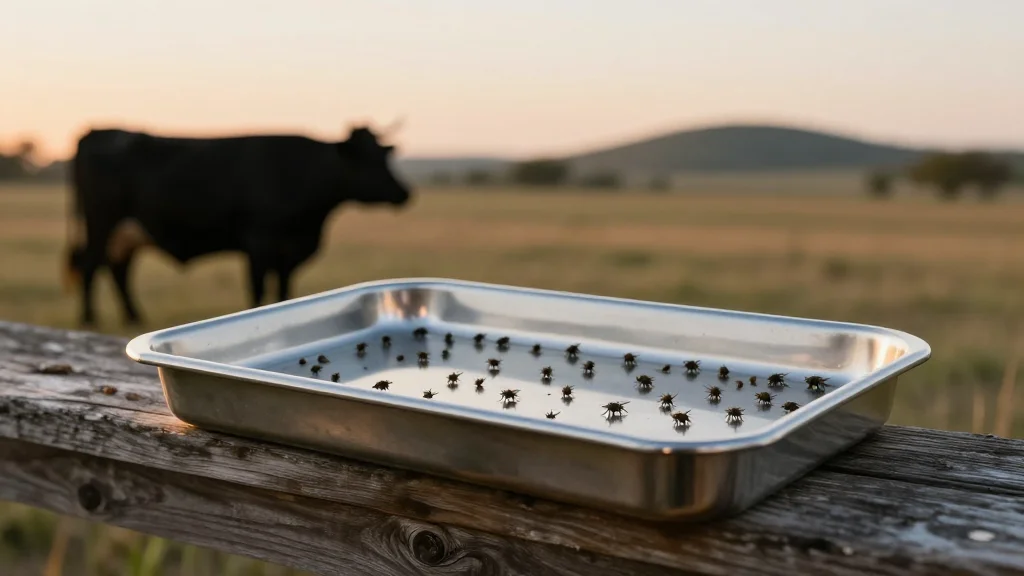
Texas Expands Disaster Declaration, Fast‑tracks Sterile‑fly Plant to Curb Screwworm

Why It Matters
The screwworm outbreak threatens the backbone of the U.S. beef supply chain, which supports a $100 bn industry and millions of jobs in feed production, transportation, and meat processing. By reviving a proven sterile‑fly eradication method, Texas aims to prevent a decades‑long supply shock that could drive beef prices higher and force producers to permanently shift operations to Mexico. Beyond immediate disease control, the initiative tests the balance between bio‑security and trade. A successful program could set a precedent for rapid, state‑led responses to animal‑health crises, while also informing federal policy on livestock import restrictions and cross‑border disease monitoring.
Key Takeaways
- •Texas expanded its disaster declaration on June 6 to address New World screwworm.
- •State officials authorized a sterile‑fly production facility, mirroring a 1970s eradication effort.
- •Kyle Williams of Lubbock Feeders warned that Mexican processing of cattle undermines U.S. jobs.
- •U.S. beef industry valued at roughly $100 bn faces record‑high prices and a 75‑year‑low herd size.
- •USDA Secretary Brooke Rollins said existing inspection protocols could allow safe cattle movement if the pest is contained.
Pulse Analysis
The decision to resurrect the sterile‑fly program reflects a strategic pivot from blanket trade bans toward targeted biological control. Historically, the 1970s sterile‑fly releases eliminated screwworm in the United States, but the effort was discontinued once the pest vanished. The current resurgence, combined with a drought‑driven supply crunch, forces policymakers to weigh short‑term economic pain against long‑term bio‑security.
From a supply‑chain perspective, the border closure has re‑routed a modest but critical 4%–5% of cattle imports, creating a ripple effect that hurts feed growers, haulers, and packers. By investing in a domestic sterile‑fly facility, Texas hopes to restore that flow without compromising animal health. If successful, the model could be replicated in other states facing similar pest threats, reinforcing a more resilient, decentralized approach to agricultural disease management.
However, the plan carries risks. Sterile‑fly releases require precise timing, extensive monitoring, and coordination with federal agencies. Any misstep could delay eradication and prolong market disruptions. Moreover, the political optics of a state‑level disaster declaration may pressure the USDA to accelerate its own response, potentially leading to overlapping jurisdictions. Stakeholders will be watching the pilot releases closely; a swift containment could unlock the path to lifting the disaster declaration and reviving cross‑border cattle trade, while a falter could cement a new era of protectionist supply‑chain fragmentation.
Texas expands disaster declaration, fast‑tracks sterile‑fly plant to curb screwworm
Comments
Want to join the conversation?
Loading comments...