The Iran-Israel War Presents a Problem for Russia’s Military Supply Chains
Why It Matters
The disruption highlights Russia’s exposure to Middle‑East conflict, jeopardizing its alternative supply lines that sustain the Ukraine war and broader economic diversification.
Key Takeaways
- •Israeli air strike hit Russia‑Iran Caspian trade hub in March 2026.
- •Caspian route is key artery for Russia’s International North‑South Transport Corridor.
- •US sanctions target Russian vessels moving drones and munitions through the corridor.
- •Iran’s internal turmoil, including Larijani’s assassination, threatens INSTC progress.
- •Kremlin downplays impact, but project’s success hinges on regional stability.
Pulse Analysis
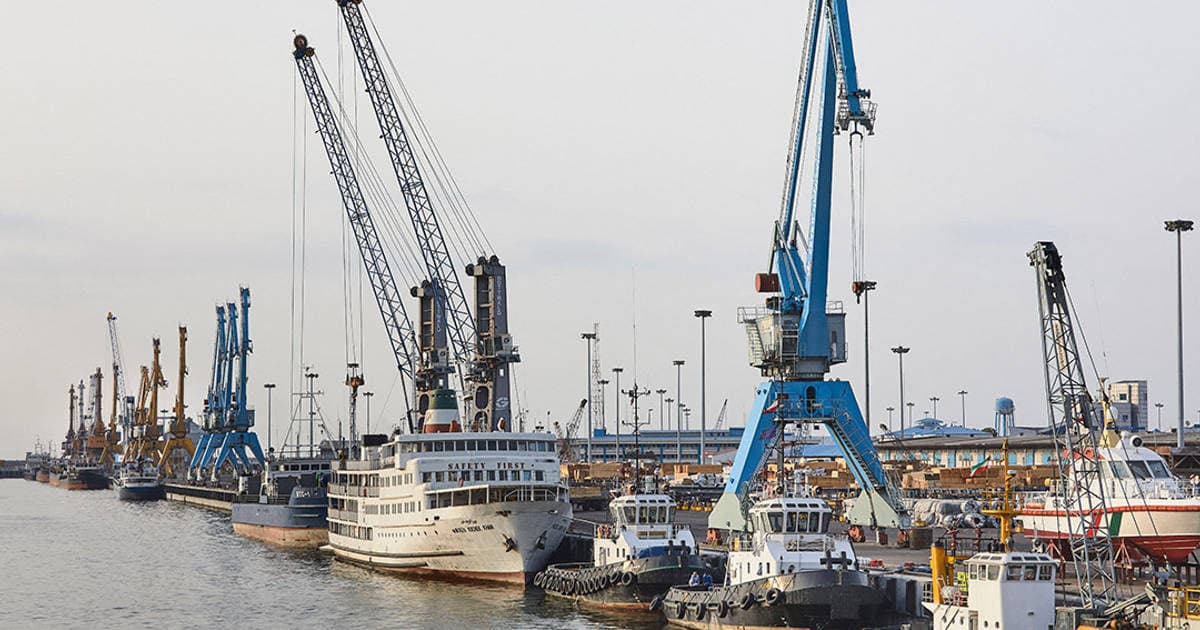
The Iran‑Israel war has moved beyond the headline‑grabbing battles over the Strait of Hormuz to reveal a hidden vulnerability in Russia’s supply chain architecture. In late March 2026, an Israeli strike targeted the Caspian Sea corridor that links Iranian ports such as Bandar Anzali with Russian hubs in Astrakhan and Makhachkala. This waterway is a lifeline for the International North‑South Transport Corridor (INSTC), a 7,200‑kilometre land‑and‑sea network designed to move oil, weapons and commercial goods from the Russian north to the Indian Ocean while sidestepping European and Chinese routes. The attack, combined with U.S. sanctions on Russian vessels and Ukrainian drone strikes, underscores how external military actions can cripple logistics that Russia depends on for its war effort in Ukraine and its broader export strategy.
Beyond the immediate tactical damage, the INSTC’s strategic relevance is magnified by Russia’s need to diversify trade amid Western sanctions. The corridor promises a faster, lower‑cost alternative for moving Iranian‑origin Shahed drones, oil, and other commodities into Russia and onward to Central Asian and South Asian markets. However, the project’s success is tightly bound to regional stability. The recent assassination of Iran’s National Security Council secretary, Ali Larijani, and ongoing political unrest in Tehran threaten investment confidence and could delay critical infrastructure upgrades. Moreover, the Caspian littoral states—Turkmenistan, Kazakhstan and Azerbaijan—maintain balanced ties with both Moscow and the West, limiting Russia’s ability to secure unimpeded passage.
For Moscow, the fallout from the Iran‑Israel conflict forces a reassessment of its logistical resilience. While Kremlin spokespeople deny any immediate crisis, the reality is that any prolonged disruption to the Caspian route could force Russia to rely more heavily on overland pipelines and rail links that are already congested or vulnerable to sanctions. This pressure may accelerate efforts to harden alternative corridors, but it also raises the stakes for the INSTC’s political backing. If the project stalls, Russia could face higher transportation costs, reduced access to Middle‑East technology transfers, and a weakened position in its broader geopolitical contest with the West. The coming months will test whether the INSTC can survive the turbulence or become another casualty of a war that is reshaping global supply chains.
The Iran-Israel War Presents a Problem for Russia’s Military Supply Chains
Comments
Want to join the conversation?
Loading comments...