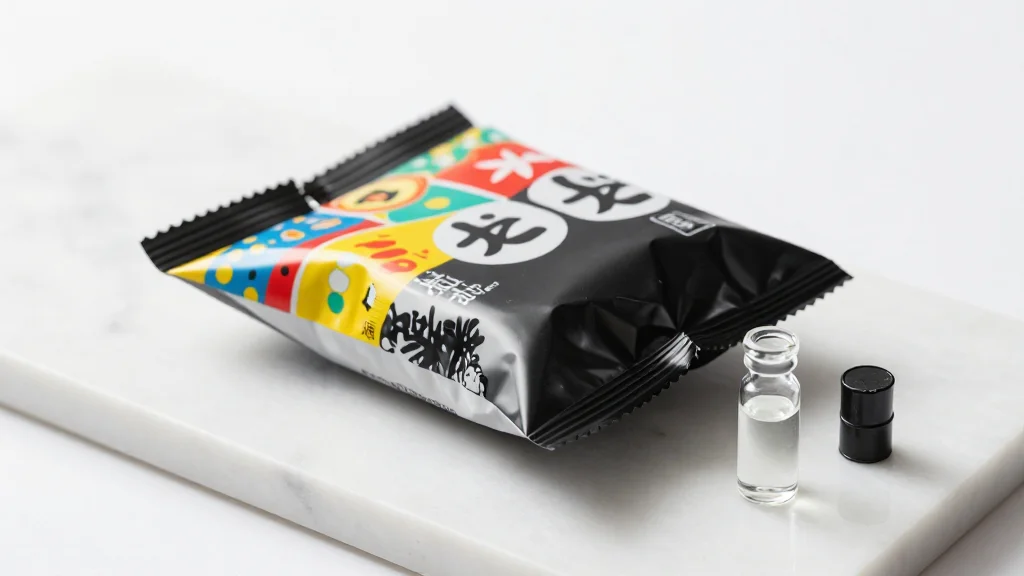
The Iran War Is Taking the Color Out of Japan’s Best-Known Snack Bags
Why It Matters
The shift threatens Calbee’s brand visibility and highlights supply‑chain vulnerabilities that could ripple through the broader food‑packaging sector. It signals that even staple items are not immune to Middle‑East geopolitical shocks.
Key Takeaways
- •Calbee replaces color inks with monochrome due to naphtha shortage.
- •Naphtha, a petroleum derivative, is essential for printing inks worldwide.
- •Iran war has driven oil prices up, tightening raw material supplies.
- •Black‑and‑white packaging may affect brand recognition among Japanese consumers.
- •Industry may explore bio‑based inks as alternative to petroleum feedstocks.
Pulse Analysis
The conflict that erupted in Iran this spring has rippled far beyond the battlefield, sending crude oil prices soaring and constricting the flow of downstream derivatives such as naphtha. Naphtha is the primary solvent for many printing inks, and its scarcity has forced manufacturers to ration output or seek costlier substitutes. For a consumer‑goods company like Calbee, which relies on vivid, color‑coded packaging to differentiate its potato‑chip lines, the sudden raw‑material squeeze translated into an immediate operational dilemma. The company’s decision to revert to black‑and‑white bags illustrates how geopolitical shocks can quickly infiltrate everyday products.
Japanese snack aisles are accustomed to Calbee’s bright red and yellow sachets, visual cues that signal flavor and quality to shoppers. Switching to monochrome wrappers risks diluting that instant brand recognition, especially in a market where shelf appeal drives impulse purchases. Ink producers, meanwhile, are scrambling to allocate limited naphtha‑based pigments to high‑margin sectors such as cosmetics and automotive graphics, leaving food‑packaging firms lower on the priority list. The move also highlights the fragility of a supply chain that depends on a single petrochemical feedstock, prompting retailers to reassess inventory strategies.
Beyond the immediate branding challenge, Calbee’s packaging shift signals a broader industry pivot toward more resilient material sources. Companies are accelerating research into bio‑based inks derived from plant oils, which can bypass volatile petroleum markets while meeting sustainability targets. For multinational food producers, diversifying ink suppliers and stockpiling critical additives may become standard risk‑mitigation practices. Analysts predict that continued Middle‑East volatility could spur a wave of similar adaptations across consumer goods, making supply‑chain flexibility a competitive advantage in the post‑war economy.
The Iran War Is Taking the Color Out of Japan’s Best-Known Snack Bags
Comments
Want to join the conversation?
Loading comments...