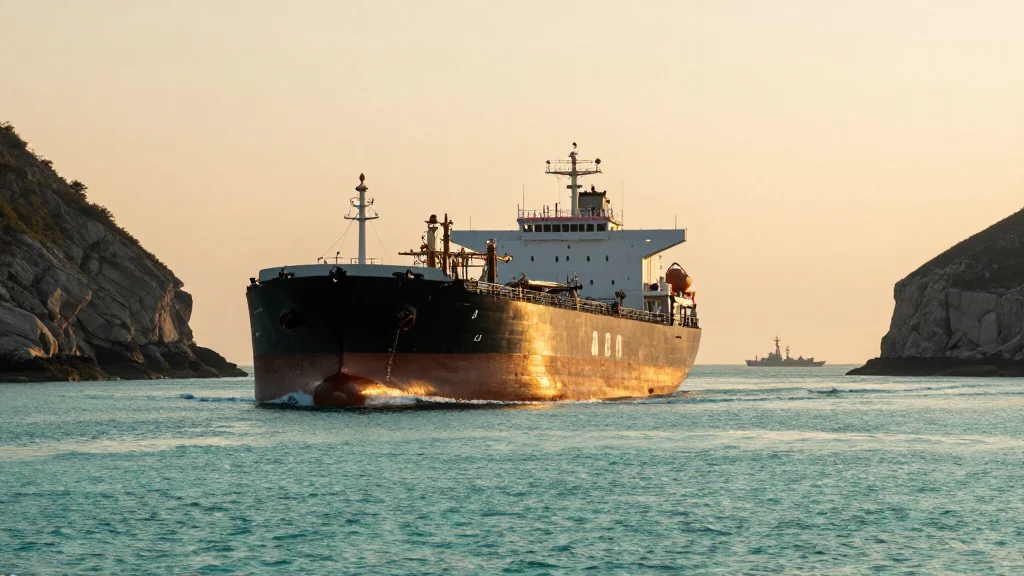
The Jones Act Waiver Extension Triggers Explosive Dialogue
Why It Matters
The extension underscores the tension between short‑term energy security and long‑term U.S. maritime industrial policy, influencing fuel prices and domestic shipbuilding incentives.
Key Takeaways
- •Waiver extended 90 days starting May 18 to ease energy supply
- •Opponents argue waiver offers only fractions‑of‑a‑penny price benefit
- •Cato Institute cites 20 foreign‑flagged vessels used under waiver
- •Puerto Rico received 149,000 barrels diesel via Denmark‑flagged tanker
- •Debate highlights chronic under‑capacity in U.S. commercial shipbuilding
Pulse Analysis
The Jones Act, a 1920 statute reserving domestic coastal trade for U.S.-built, flagged, and crewed vessels, has been temporarily suspended for the third time since the war in Iran escalated. Historically, waivers have been granted during major crises—World War II, the Korean War, and natural disasters that disrupted Gulf and East Coast oil flows. This latest 90‑day extension, announced on May 18, reflects heightened geopolitical risk as the Strait of Hormuz remains a chokepoint for global energy shipments, prompting policymakers to prioritize uninterrupted fuel delivery over strict compliance with the Act.
Analysts note that the economic impact of the waiver is modest. The American Maritime Partnership’s real‑time dashboard, which overlays EIA data, shows consumer savings measured in fractions of a penny per gallon, a figure dwarfed by broader market volatility. Moreover, data from the U.S. Maritime Administration reveal that roughly 20 vessels operating under the waiver are foreign‑flagged, primarily registered in the Marshall Islands and Singapore, with owners based in Greece and Singapore. While the waiver enabled a Denmark‑flagged tanker to offload 149,000 barrels of diesel in Puerto Rico, critics argue that such isolated deliveries do little to offset the strategic cost of sidelining U.S. shipyards and crews.
The controversy reignites a longstanding debate over U.S. maritime competitiveness. Labor groups and domestic ship operators warn that repeated waivers erode the incentive to invest in American shipbuilding, already strained by a shortage of skilled workers—a problem highlighted by delays in two Navy amphibious vessels. Proponents of the SHIPS Act and the broader Maritime Action Plan argue that targeted incentives could revive commercial shipbuilding, reducing reliance on foreign-flagged vessels in future crises. As policymakers weigh short‑term energy security against long‑term industrial resilience, the Jones Act waiver saga will likely shape the next round of maritime legislation and investment decisions.
The Jones Act waiver extension triggers explosive dialogue
Comments
Want to join the conversation?
Loading comments...