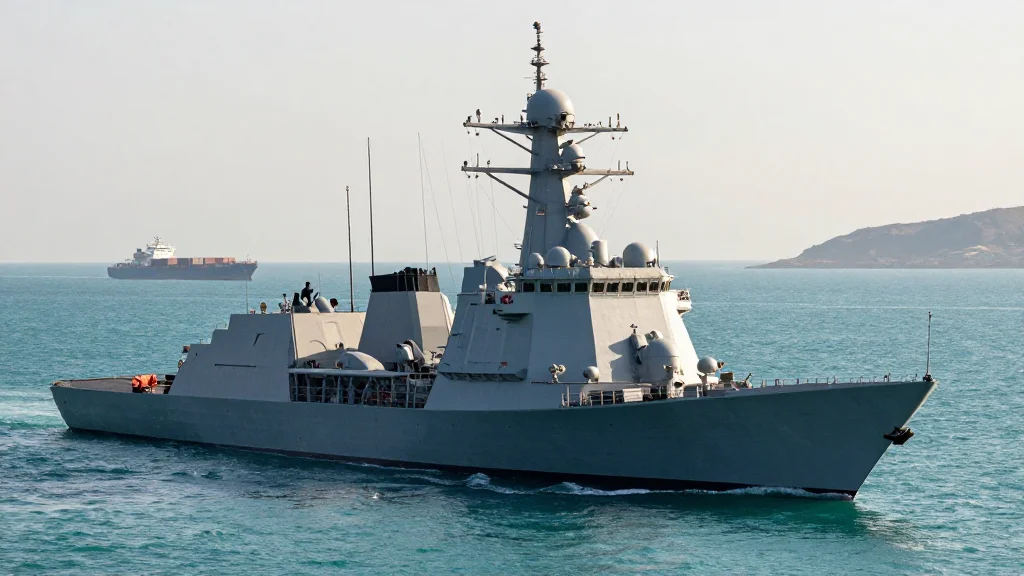
The Latest: Trump Says He Has Paused Effort to Guide Vessels From the Strait of Hormuz
Why It Matters
The pause underscores the delicate balance between pursuing a diplomatic resolution with Iran and maintaining pressure on its maritime choke‑point, affecting global oil flows and shipping insurance costs.
Key Takeaways
- •Trump pauses vessel‑guidance mission to focus on Iran peace talks
- •U.S. blockade of Iranian ports remains despite the pause
- •Only two commercial ships have used the new protected route so far
- •Rubio says major U.S. operation against Iran is concluded
- •Over 23,000 sailors from 87 nations remain stranded in the Gulf
Pulse Analysis
The Strait of Hormuz remains one of the world’s most critical maritime arteries, channeling roughly 20% of global oil supplies. Trump’s decision to pause the U.S. escort operation reflects a strategic shift toward diplomatic leverage, hoping a negotiated settlement with Tehran will unlock the waterway without further military escalation. While the pause may ease immediate tensions, the continued blockade signals that Washington is still willing to apply economic pressure, a dual‑track approach that keeps oil markets on edge and insurance premiums volatile.
Rubio’s comments that Operation Epic Fury has concluded suggest the United States believes its limited strike campaign achieved its short‑term objectives, such as degrading Iranian missile sites and demonstrating resolve. However, the persistence of over 23,000 stranded sailors and the inability of allied navies to fill the capability gap highlight the operational challenges of keeping the strait open. China’s reliance on Hormuz‑bound oil—about half of its crude imports—adds another layer of geopolitical complexity, as Beijing may pressure Tehran to ease restrictions while watching U.S. moves closely.
For global shippers and investors, the uncertainty surrounding Hormuz translates into heightened risk assessments. Marine insurers are waiting for concrete signals of stability before adjusting rates, and major carriers like Hapag‑Lloyd have already suspended transits. The interplay between diplomatic negotiations, military posturing, and commercial logistics will shape oil price volatility and supply chain resilience in the coming weeks, making the Hormuz situation a focal point for energy market watchers.
The Latest: Trump says he has paused effort to guide vessels from the Strait of Hormuz
Comments
Want to join the conversation?
Loading comments...