The New Phase of U.S.-China Economic Competition
Key Takeaways
- •U.S. raises tariffs to 100% on Chinese electric vehicles.
- •Export controls target 24 semiconductor tools and 140 entities.
- •China supplies over 90% of processed rare earths worldwide.
- •Trump‑Xi talks include 200 Boeing jets and billions in soy purchases.
- •Supply‑chain resilience becomes core of U.S.-China strategic rivalry.
Pulse Analysis
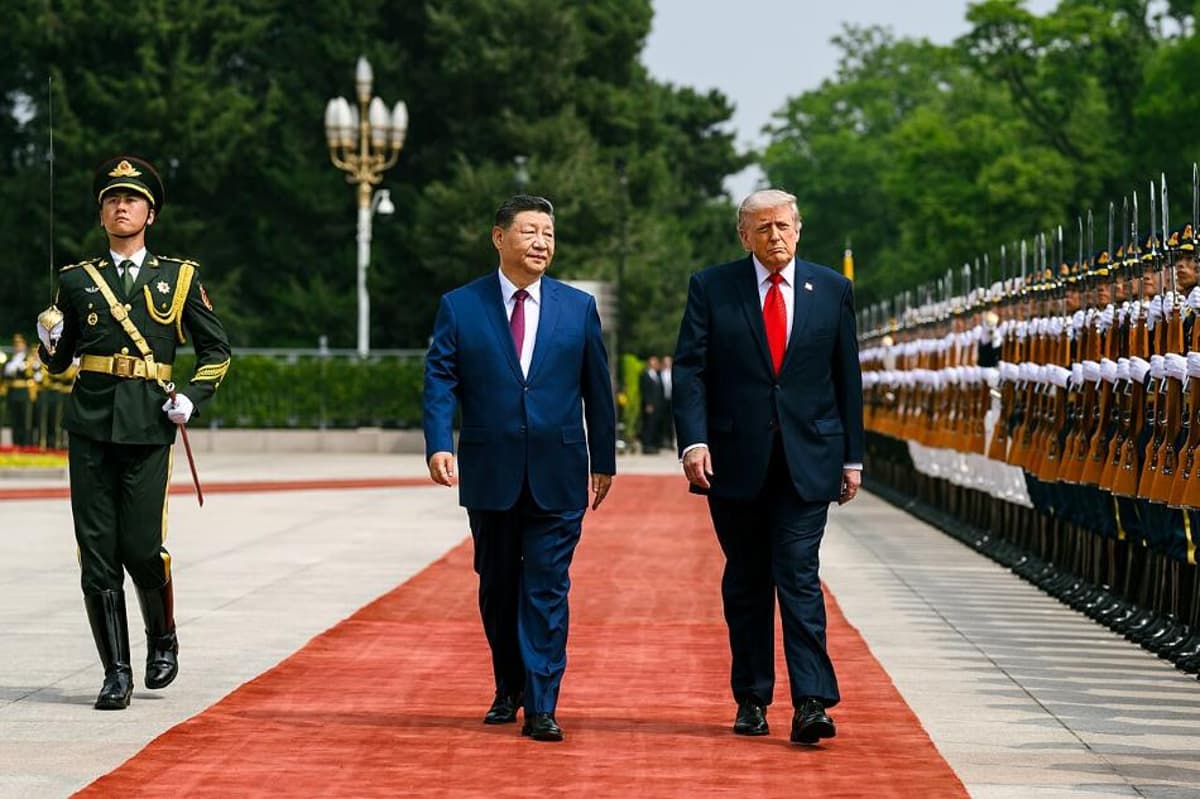
The United States and China are moving beyond the tariff‑heavy trade wars of the past decade toward a competition defined by technology, materials and supply‑chain security. While President Trump’s Beijing summit was framed as a diplomatic reset, analysts note that the real battleground now involves selective decoupling of advanced semiconductors, AI chips and rare‑earth minerals. By invoking the Thucydides Trap, both leaders signal an awareness of the danger of miscalculation, yet their policies reveal a focus on controlling the inputs that power next‑generation weapons and clean‑energy systems.
Washington’s recent Section 301 actions illustrate this new approach. Tariffs on Chinese electric vehicles have been lifted to a punitive 100%, and duties on semiconductors and solar cells now sit at 50%, buying time for domestic capacity building. Simultaneously, the Bureau of Industry and Security has expanded its export‑control list, adding 24 types of semiconductor manufacturing equipment and 140 entities to the Entity List, aiming to block China’s ability to produce high‑performance chips for military and AI applications. On the other side, Beijing’s near‑monopoly over more than 90% of processed rare‑earth elements gives it leverage over critical sectors such as electric‑vehicle motors and defense systems, prompting limited truce talks that have yet to resolve underlying strategic tensions.
For businesses and allied governments, the implications are profound. Companies must navigate a maze of licensing requirements, heightened compliance costs, and the risk of sudden supply interruptions across sectors ranging from automotive batteries to telecommunications gear. The push for supply‑chain resilience is prompting diversification into Southeast Asian and European partners, while also spurring investment in domestic manufacturing and alternative materials. As the rivalry intensifies, firms that can secure reliable sources of rare‑earths, chips and AI hardware will gain a competitive edge, and policymakers will increasingly treat economic policy as a tool of geopolitical power.
The New Phase of U.S.-China Economic Competition
Comments
Want to join the conversation?