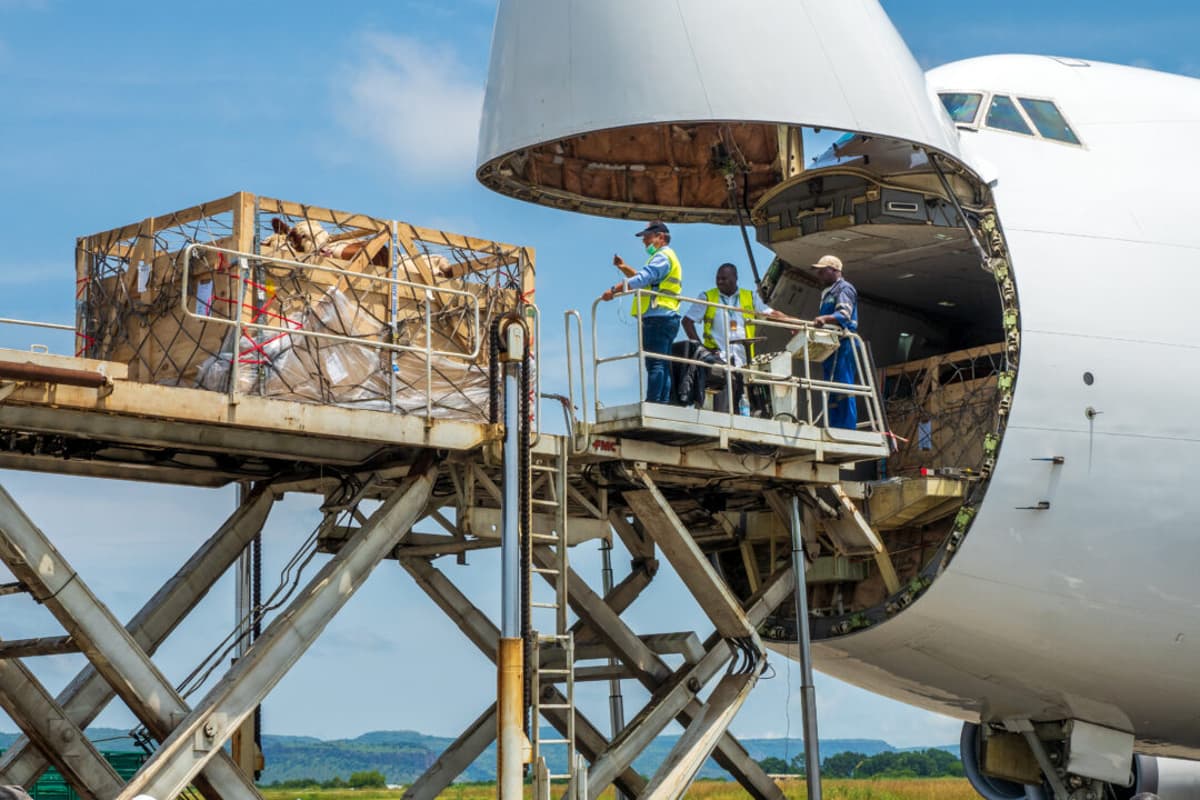
The Paradox of Improving Air Cargo Safety in Africa
Why It Matters
The safety gap threatens supply‑chain reliability for essential goods across Africa and raises insurance and compliance costs for global carriers operating on the continent.
Key Takeaways
- •Africa sees 20% of serious air accidents with only 2% of traffic
- •E‑commerce surge strains ageing cargo fleet and weak airport infrastructure
- •Outdated scanners and power outages force manual, error‑prone processing
- •Operators use contractual audits to compensate for missing certifications
Pulse Analysis
Africa’s air‑cargo sector sits at a crossroads of growth and risk. The continent moves a fraction of global flights yet endures a disproportionate share of serious accidents, a disparity amplified by the e‑commerce boom and rising demand for pharmaceuticals and perishable exports. Operators increasingly rely on older aircraft that exceed recommended service limits, while fragmented regulatory oversight leaves many secondary airports without the tools needed to safeguard cargo, creating a safety paradox that could undermine trade expansion.
Infrastructure shortfalls are at the heart of the problem. Many cargo hubs lack high‑capacity scanners, and where equipment exists it is often offline due to maintenance lapses. Inconsistent secure‑area design, coupled with frequent power outages, forces operators to revert to manual handling, raising the likelihood of human error and compromising cold‑chain integrity. To mitigate these gaps, firms are imposing contractual safeguards—such as GPS‑enabled seals and weekly technical audits—and converting uncertified warehouses into tightly monitored “secure bubbles,” but these workarounds cannot replace robust, standardized infrastructure.
Regulatory frameworks like ICAO Annex 17 and the AFI Plan have harmonised safety standards on paper, yet enforcement remains uneven. Without direct authority, national bodies depend on audit pressure from international carriers and insurers, which can trigger corrective investments only after accreditation threats. Sustainable improvement will require coordinated funding for modern scanning equipment, reliable power, and training, alongside stronger enforcement mechanisms. Until then, the continent’s air‑cargo safety gap will continue to pose operational and financial risks for global supply chains.
The paradox of improving air cargo safety in Africa
Comments
Want to join the conversation?
Loading comments...