The Real Barrier to Driverless Trucks Is No Longer Software
•March 10, 2026
0
Why It Matters
Mass‑producing autonomous trucks is the decisive factor for logistics firms to realize cost savings and replace human drivers, reshaping the freight industry’s economics.
Key Takeaways
- •Level‑4 truck software mature; manufacturing now primary bottleneck
- •Retrofits cause unpredictable quality, high costs, limited service support
- •OEM factory integration enables standardized, safety‑critical autonomous systems
- •Partnerships with Tier‑1 suppliers lower costs and improve reliability
- •Autonomous trucks could cut per‑mile cost ~$1, boosting profit
Pulse Analysis
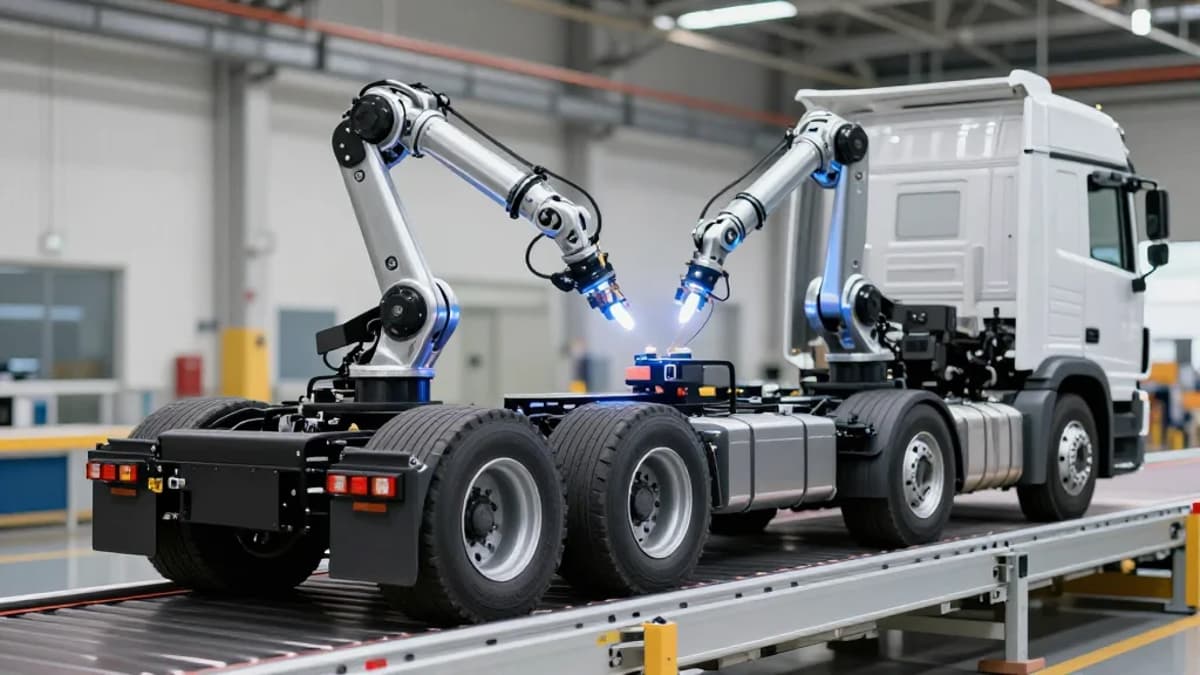
The conversation around driverless trucks has shifted from pure software breakthroughs to the practicalities of mass production. While Level 4 autonomous driving systems have reached technical maturity, the industry’s ability to deliver consistent, safety‑critical hardware at scale remains limited. Start‑ups have relied on hand‑built retrofits to accelerate demos, but this artisanal approach creates variability that large fleets cannot tolerate. The Telemetry report highlights that the next competitive edge lies in integrating autonomous technology directly on the assembly line, where repeatability and quality control are inherent.
Factory‑built autonomous trucks benefit from deep OEM expertise and established dealer networks. Partnerships between autonomous technology firms and major manufacturers—such as Waymo with Chrysler or Aurora with Paccar—allow for custom wiring, validated sensors, and redundant actuation systems to be engineered into the vehicle chassis. Tier‑1 suppliers like Bosch and ZF further streamline component validation, driving down costs and ensuring reliability. This collaborative supply chain model also solves the after‑sales challenge: service technicians know exact part locations and diagnostic procedures, reducing downtime for high‑utilization fleets.
For shippers, the economic incentive is compelling. Autonomous trucks promise to shave roughly $1 per mile from the current $2.25 average, while operating continuously beyond the 11‑hour driver limit. When combined with factory‑scale production, these savings translate into up to 4.5 × higher profit per vehicle, a figure that could accelerate adoption across the industry. As OEMs ramp up dedicated production lines and regulatory safety cases mature, the 2027 target for fully driverless fleets appears increasingly attainable, positioning autonomous trucking as a transformative force in logistics.
The real barrier to driverless trucks is no longer software
0
Comments
Want to join the conversation?
Loading comments...