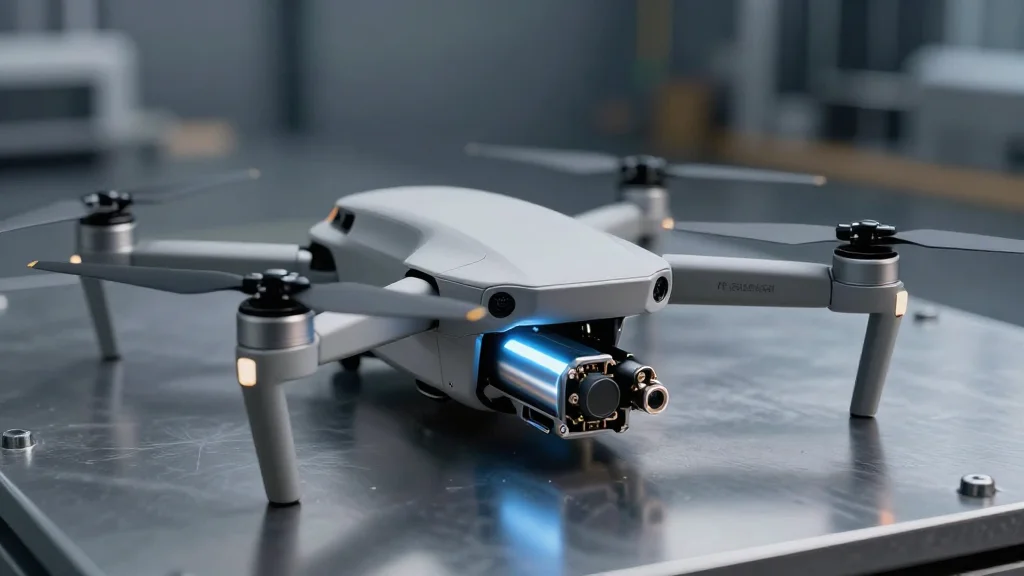
The US Has Banned the World’s Best Drones. It Has Not Figured Out How to Make Them.
Why It Matters
Removing DJI creates a vacuum in affordable, high‑performance drones while the U.S. lacks a ready supply of essential Chinese components, threatening both commercial adoption and national‑security drone capabilities.
Key Takeaways
- •FCC’s December 2025 ban blocks new DJI models, $1.5 B revenue loss.
- •Skydio pledges $3.5 B over five years to build factory and supply chain.
- •China supplies 90% of rare‑earth magnets and 99% of drone battery cells.
- •Domestic drone components face six‑month lead times versus weeks from China.
Pulse Analysis
The United States’ decision to ban new DJI drones stems from a statutory trigger: a missed national‑security review under the 2025 National Defence Authorisation Act. By adding DJI to the FCC’s Covered List, the government effectively cut off the pipeline for fresh models, accessories and firmware updates, depriving U.S. consumers and enterprises of the most cost‑effective, feature‑rich platforms on the market. DJI’s dominance—about 80% of U.S. sales—means the ban translates into an estimated $1.5 billion of lost revenue for the Chinese firm and a sudden gap that domestic players have struggled to fill.
The core obstacle is not factory space but the raw materials and components that enable modern drones. China controls roughly 90% of rare‑earth processing and permanent‑magnet production, while it manufactures about 99% of lithium‑ion cells used in drone batteries. These magnets and batteries are essential for motor torque and flight endurance, and U.S. suppliers such as Unusual Machines can only meet a fraction of demand, with lead times stretching to six months. This asymmetry forces American manufacturers to rely on Chinese parts, undermining the “Buy American” narrative and exposing a strategic vulnerability in a technology increasingly tied to infrastructure inspection, public‑safety missions, and defense.
Skydio’s $3.5 billion SkyForge initiative represents the most ambitious attempt to close the gap, earmarking over $1 billion for U.S.‑based suppliers and planning a factory five times larger than its current plant. Even with this capital infusion, building rare‑earth processing facilities and battery‑cell fabs typically requires three to five years, meaning a fully competitive domestic supply chain is unlikely before the end of the decade. In the interim, American drone firms will produce “American‑made” platforms that still depend on Chinese magnets and cells for a significant portion of their cost structure. The situation forces policymakers to weigh short‑term security gains against the long‑term industrial investment needed to achieve true sovereignty in the drone sector.
The US has banned the world’s best drones. It has not figured out how to make them.
Comments
Want to join the conversation?
Loading comments...