The World Needs Natural Gas Now, but the U.S. Is Exporting All It Can
Why It Matters
The shortage underscores the fragility of global gas supply chains and forces energy‑intensive economies to confront sharply higher costs, accelerating the search for diversified or lower‑carbon alternatives.
Key Takeaways
- •U.S. LNG exports are at full capacity, no spare output.
- •Strait of Hormuz closure cuts Qatari LNG, spiking global prices.
- •Europe and Asia face six‑fold price hikes versus U.S. gas.
- •New U.S. export terminals will take months to years to finish.
Pulse Analysis
The sudden loss of Qatari liquefied natural gas (LNG) after the Strait of Hormuz closure has exposed a critical vulnerability in the global energy market. Historically, Qatar supplied roughly 20% of the world’s LNG, and its two‑month pause has driven spot prices in Europe and Asia to six times the cost of domestic U.S. gas. This price shock reverberates through power‑generation costs, industrial production, and household heating bills, prompting policymakers in Italy, Taiwan, and South Korea to reassess energy security strategies.
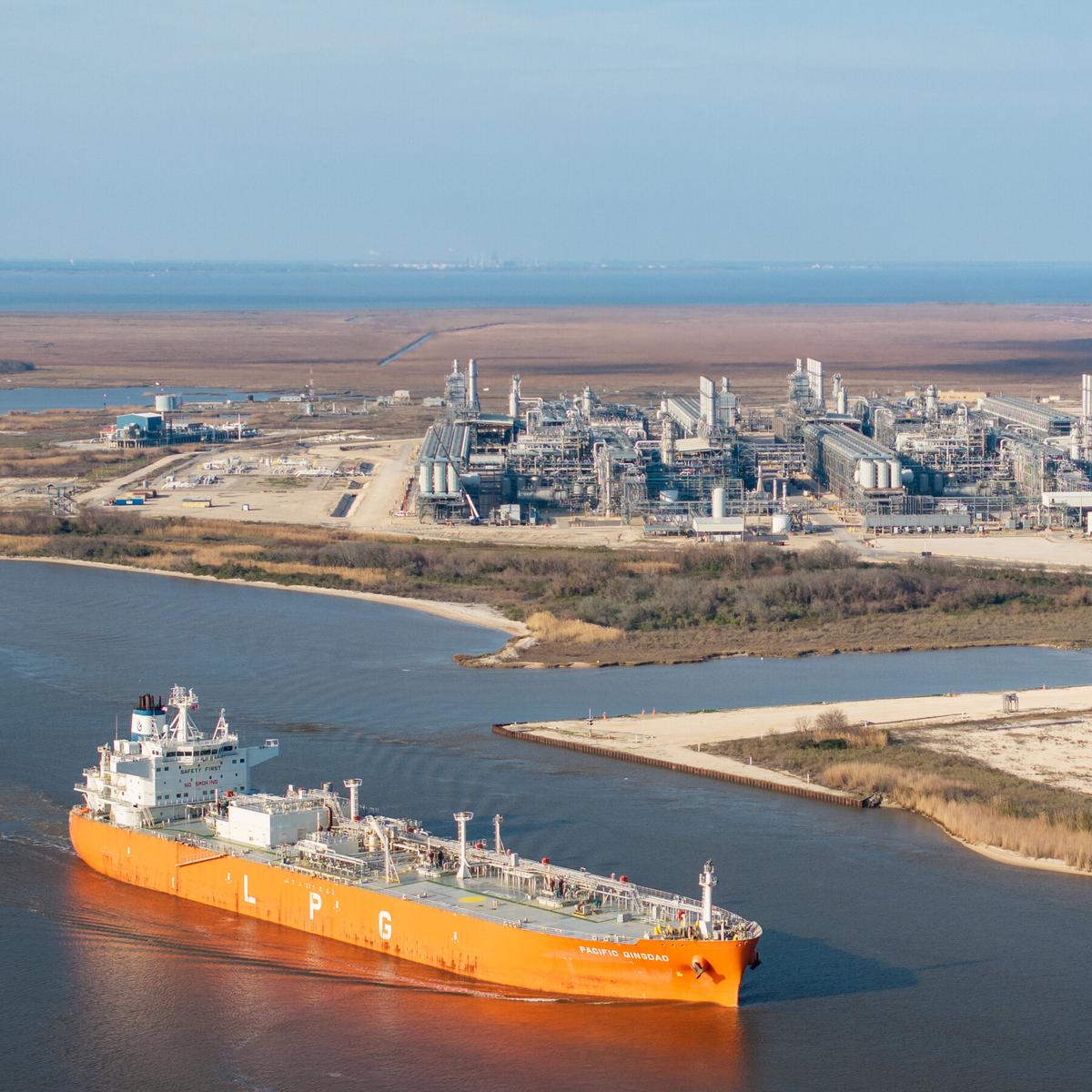
While the United States stepped in as the largest LNG exporter, its infrastructure is already maxed out. Existing terminals on the Gulf Coast and the East Coast operate at full throttle, leaving no margin for additional cargoes. New export facilities, such as the Cameron, Louisiana project, are still in the permitting and construction phases, with commercial operation projected years away. This capacity lag means the U.S. cannot quickly compensate for the Qatari shortfall, reinforcing the importance of long‑term investment in flexible, scalable LNG infrastructure to buffer geopolitical disruptions.
For import‑dependent regions, the immediate consequence is a steep cost premium that could accelerate a shift toward alternative fuels or renewable electricity. Energy traders are already diversifying contracts, while governments contemplate strategic reserves and accelerated renewable‑energy subsidies. The episode also highlights the broader market risk of over‑reliance on single supply corridors. In the medium term, higher LNG prices may spur investment in domestic gas projects and spur innovation in low‑carbon technologies, reshaping the global energy landscape.
The World Needs Natural Gas Now, but the U.S. Is Exporting All It Can
Comments
Want to join the conversation?
Loading comments...