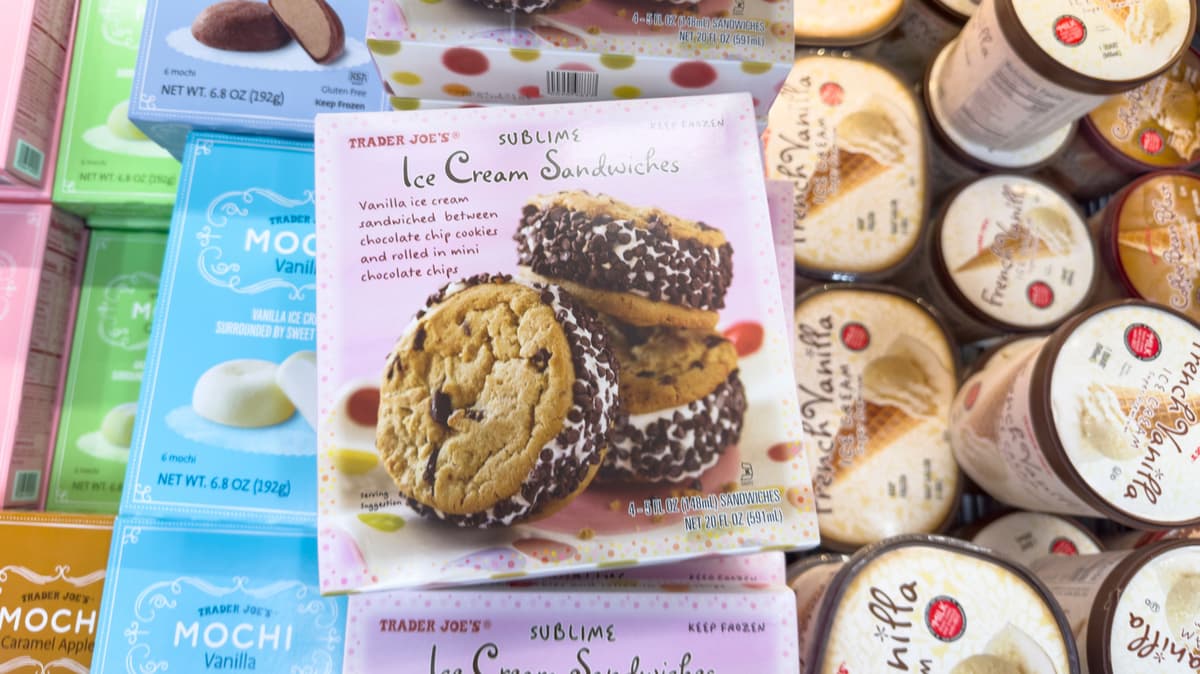
This Is Where Trader Joe's Sources Its Ice Cream From
Why It Matters
Knowing the actual manufacturers improves supply‑chain transparency, informs quality expectations, and signals potential pricing or sustainability impacts for consumers and investors.
Key Takeaways
- •Reddit analysis links PLT 06‑1187 code to Crystal Creamery.
- •Crystal Creamery, founded 1901, supplies multiple Trader Joe’s ice‑cream flavors.
- •Pierre’s Ice Cream Company identified as producer of Cookie Butter flavor.
- •Trader Joe’s relies on third‑party dairies, keeping sourcing details confidential.
- •Speculation also points to Tillamook and Double Rainbow, but lacks firm evidence.
Pulse Analysis
Trader Joe’s has built a reputation for offering private‑label foods that appear simple but often hide complex supply chains. By stamping its own brand on ice‑cream tubs, the retailer sidesteps the need for a dedicated manufacturing facility, instead partnering with established dairies that meet its specifications. This model mirrors broader grocery trends where cost efficiency and rapid product turnover outweigh the desire for full vertical integration, yet it also raises questions about ingredient traceability and consumer trust.
Two manufacturers dominate the conversation around TJ’s frozen desserts. Crystal Creamery—also known as Humboldt Creamery—operates out of Fortuna, California, and traces its roots to 1901. Acquired by Foster Dairy Farms in 2007, the creamery markets itself as a natural‑ingredients producer, avoiding artificial additives, high‑fructose corn syrup, and rBST‑treated milk. Its plant code, PLT 06‑1187, appears on several TJ’s flavors, confirming a direct supply link. Meanwhile, Pierre’s Ice Cream Company, a Cleveland‑based firm founded in 1932, holds a top‑tier food‑safety certification and is credited by Reddit users with making the popular Cookie Butter flavor. Both partners illustrate how TJ’s leverages legacy dairies to deliver premium‑perceived products without owning the production lines.
For shoppers, the revelation that multiple third‑party dairies craft TJ’s ice cream underscores the importance of scrutinizing label claims and certifications rather than relying solely on brand perception. Investors and analysts watch these relationships as indicators of supply‑chain resilience; diversified sourcing can mitigate regional disruptions but also introduces opacity. As consumer demand for clean‑label and sustainably sourced foods grows, Trader Joe’s may face pressure to disclose more details or shift toward more transparent partnerships, potentially reshaping its private‑label strategy in the competitive grocery landscape.
This Is Where Trader Joe's Sources Its Ice Cream From
Comments
Want to join the conversation?
Loading comments...