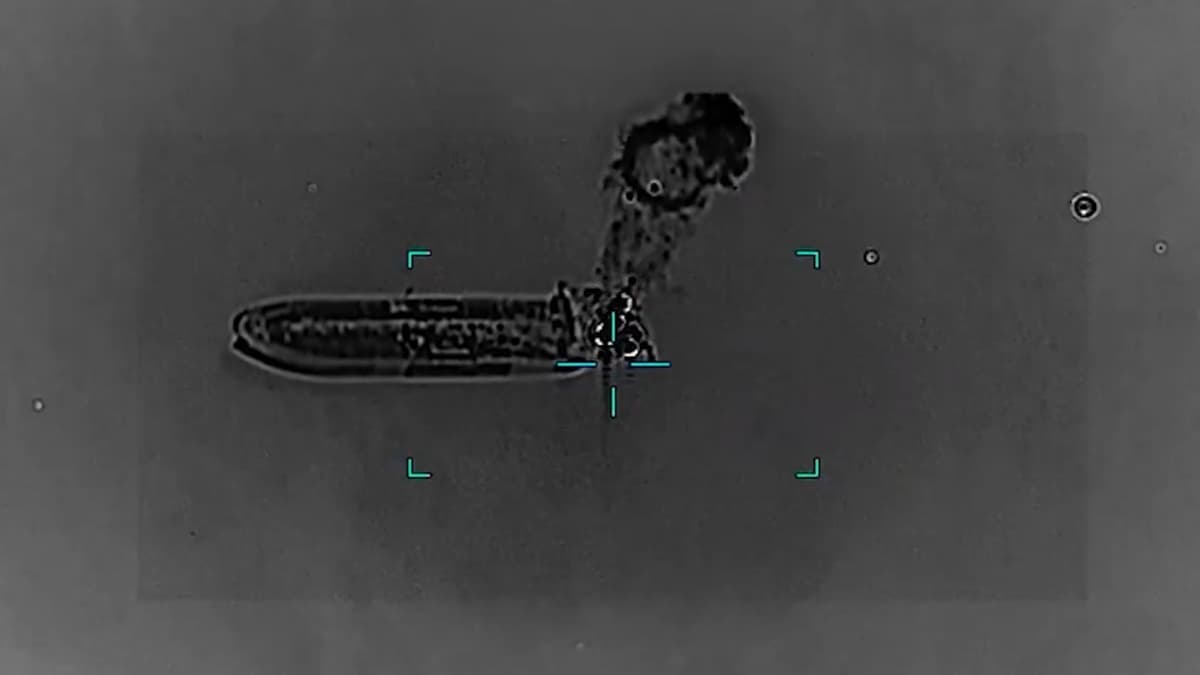
Three Civilian Seafarers Dead in US Attack on Settebello
Why It Matters
The loss underscores the heightened risk to civilian crews in contested waterways and could reshape naval engagement rules, affecting global shipping security and insurance costs.
Key Takeaways
- •US attack killed three Indian seafarers on tanker Settebello
- •India blames US for violating maritime safety in Gulf of Oman
- •Incident raises concerns over US naval enforcement of Iran blockade
- •IMO records 14 seafarer deaths in recent Gulf incidents
- •International labor groups demand cease‑fire and protection for civilian crews
Pulse Analysis
The United States’ decision to strike the oil‑products tanker Settebello on 9 June marks the second direct engagement with a civilian vessel in the Gulf of Oman within days. Washington has framed the action as enforcement of a self‑imposed blockade on Iranian ports, accusing the ship of ignoring repeated commands. The Gulf of Oman and the adjacent Strait of Hormuz remain chokepoints for global energy flows, and any escalation threatens the free passage of millions of barrels of oil daily. Analysts warn that such kinetic moves could prompt reciprocal actions, further destabilising an already volatile maritime corridor.
The loss of three Indian seafarers has reverberated through New Delhi’s diplomatic channels, prompting a strong condemnation from the Ministry of Ports, Shipping and Waterways. India, which supplies a sizable workforce to the international shipping sector, now faces pressure to protect its nationals while maintaining strategic ties with the United States. Under international humanitarian law, attacks on civilian‑crewed vessels without clear combatant status raise questions of proportionality and due diligence. Legal experts anticipate calls for independent investigations, and the incident may influence future rules of engagement for naval forces operating near commercial traffic.
The maritime community has responded with heightened alarm. The International Transport Workers’ Federation used the 100‑day mark of the Middle East conflict to demand an immediate cease‑fire and unconditional protection for civilian transport workers. Meanwhile, the International Maritime Organization’s incident tracker now lists 14 confirmed seafarer fatalities across 44 incidents since the war began, underscoring a troubling trend of collateral damage. Shipping companies are reassessing route planning, insurance premiums are climbing, and insurers are tightening war‑risk clauses. Continued de‑escalation will be essential to preserve the safety of global supply chains and prevent further loss of life.
Three civilian seafarers dead in US attack on Settebello
Comments
Want to join the conversation?
Loading comments...