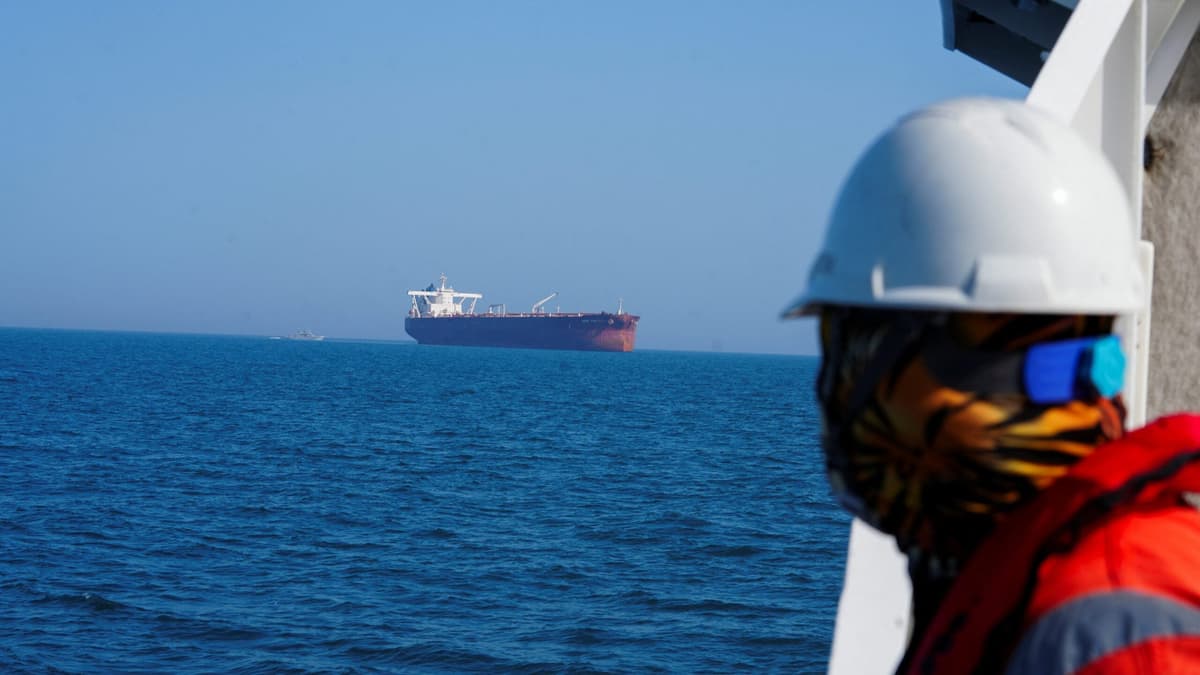
Three Vessels Hit by Gunfire in Strait of Hormuz, Crews Safe
Why It Matters
The incidents highlight rising maritime security risks in a chokepoint that moves roughly 20% of global oil and LNG, threatening supply‑chain continuity and raising insurance and freight costs.
Key Takeaways
- •IRGC gunboat fired on Liberia‑flagged container ship, bridge damaged
- •Panama‑flagged vessel hit, sustained no damage, crew safe
- •Third Liberia‑flagged ship stopped, unharmed after gunfire
- •Iran’s restrictions heighten Strait of Hormuz volatility, affecting trade
Pulse Analysis
The Strait of Hormuz remains one of the world’s most contested maritime corridors, funneling an estimated one‑fifth of global oil and liquefied natural gas shipments. Recent Iranian moves to restrict vessel movements—prompted by U.S. military actions and sanctions—have turned the waterway into a flashpoint where state actors and commercial traffic intersect. Analysts watch the strait closely because any disruption can reverberate through global energy markets, influencing price benchmarks and prompting governments to reassess naval deployment strategies.
The April 22 gunfire incidents illustrate how quickly commercial shipping can become entangled in geopolitical disputes. While none of the three container ships suffered crew injuries or environmental damage, the bridge hit on the Liberia‑flagged vessel underscores the vulnerability of critical ship systems to small‑arms fire. Shipping firms are likely to revisit route risk assessments, potentially opting for longer detours around the Arabian Sea or increasing reliance on armed security teams. Insurance premiums for vessels transiting the strait are expected to rise, and charter rates may reflect heightened risk premiums.
Beyond immediate operational concerns, the attacks could signal a broader escalation in Iran’s maritime posture. By demonstrating the capability to engage civilian vessels, Tehran may be seeking leverage in ongoing negotiations over sanctions and regional security. Energy traders already factor such geopolitical shocks into forward curves, and a sustained uptick in incidents could tighten global oil supplies, nudging prices upward. Stakeholders—from multinational oil majors to regional port authorities—must monitor diplomatic channels and maintain contingency plans to mitigate supply chain disruptions in this volatile corridor.
Three Vessels Hit by Gunfire in Strait of Hormuz, Crews Safe
Comments
Want to join the conversation?
Loading comments...