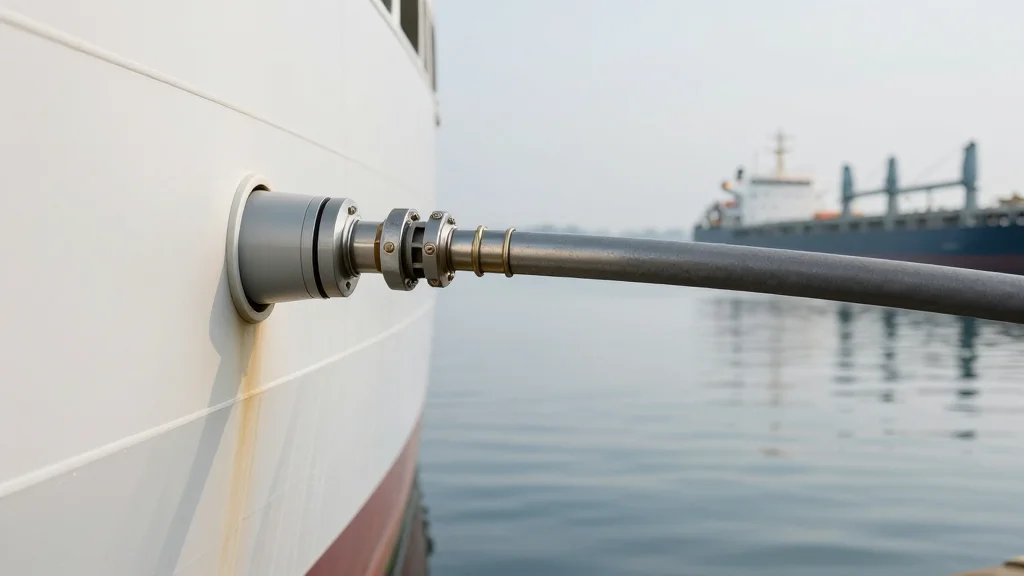
Tighter Bunker Supplies Raising Costs, but Not Impacting Service: Ocean Carriers
Companies Mentioned
Why It Matters
Higher bunker costs pressure carrier margins and are likely to be passed to shippers, influencing freight rates and overall supply‑chain economics. The situation underscores the vulnerability of maritime logistics to geopolitical energy shocks.
Key Takeaways
- •Bunker fuel supplies tightening globally due to war-driven energy shock
- •Carriers report higher fuel costs but no service disruptions yet
- •Pre‑booking and alternative ports now required for bunkering operations
- •Rising bunker prices likely to be passed to shippers via freight rates
- •No outright fuel shortages reported, but hub congestion intensifies
Pulse Analysis
The recent tightening of bunker fuel supplies highlights how geopolitical events ripple through the maritime logistics ecosystem. War‑related disruptions in oil production have reduced the availability of low‑sulfur marine fuel, driving up spot prices at major hubs such as Rotterdam and Singapore. Carriers are now forced to schedule bunkering well in advance and, in some cases, divert to secondary ports with less congestion. This operational shift adds complexity to voyage planning but, according to industry leaders, has not yet translated into missed sailings or delayed cargoes.
For shippers, the immediate concern is cost. Bunker fuel, which can account for up to 30% of a vessel’s operating expenses, has surged by roughly 25‑30% year‑over‑year. While carriers assert that service reliability remains intact, the higher input cost erodes profit margins and creates pressure to adjust freight rates. Many major lines have signaled that incremental price hikes will be reflected in contract negotiations and spot market quotations, especially on high‑volume routes such as Asia‑Europe and Trans‑Pacific lanes.
Looking ahead, the industry’s response will shape the broader supply chain. If bunker shortages deepen, carriers may accelerate investments in alternative fuels, such as LNG or ammonia, to mitigate exposure to volatile oil markets. In the short term, however, the focus remains on efficient fuel logistics—leveraging digital booking platforms and collaborative planning to offset congestion. Stakeholders should monitor fuel hub inventories and regulatory developments, as any shift could quickly impact shipping costs and, by extension, global trade flows.
Tighter bunker supplies raising costs, but not impacting service: ocean carriers
Comments
Want to join the conversation?
Loading comments...