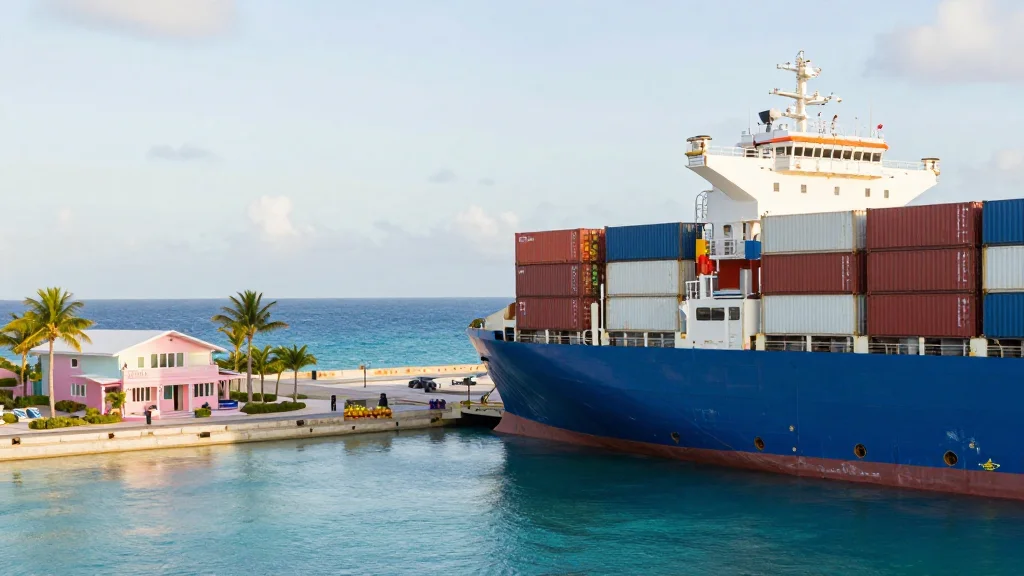
Tourism Logistics Hub Could Transform Caribbean Economies
Companies Mentioned
Why It Matters
By shifting supply‑chain control to local firms, Caribbean economies can retain a larger share of tourism revenue, strengthening fiscal resilience and reducing dependence on external providers.
Key Takeaways
- •Logistics hub aims to keep >80% of tourism dollars regionally
- •IDB funds consultancy to map supply‑side strategies by June 2026
- •World Bank pledges analytical support for tourism resilience and gap analysis
- •Regional ownership could boost jobs in logistics, agriculture, and manufacturing
Pulse Analysis
Tourism accounts for up to 60 % of GDP in many Caribbean states, yet the region captures less than one‑fifth of the spending because most visitor needs—food, beverages, construction materials—are imported. This structural leak erodes fiscal buffers and limits multiplier effects, leaving economies vulnerable to external shocks such as global travel downturns. Strengthening the supply side has become a strategic priority, as policymakers recognize that a more self‑sufficient value chain can generate higher employment and keep wealth circulating within local communities.
The newly announced Caribbean tourism logistics hub, championed by Jamaica’s Minister Edmund Bartlett and the CTO’s Tourism Supply‑Side Committee, seeks to address that leak. Funding from the Inter‑American Development Bank will commission a ten‑to‑twelve‑week consultancy to map regional supply‑chain gaps, while the World Bank will provide analytical support for resilience planning. By consolidating procurement, warehousing, and distribution under a coordinated regional framework, the hub promises to lower costs for hotels and operators, stimulate intra‑regional trade, and create new roles in logistics, agriculture, and light manufacturing. Early estimates suggest the region could retain an additional 15‑20 % of tourism revenue once the hub is operational.
If successful, the hub could reshape the Caribbean’s economic model from an extractive tourism enclave to a diversified, value‑adding ecosystem. Greater control over inputs would enhance price stability, reduce foreign exchange outflows, and foster local entrepreneurship. However, implementation will require harmonized customs procedures, investment in transport infrastructure, and capacity‑building for small‑scale producers. Stakeholders are watching closely as the study’s findings, due by mid‑2026, will inform policy reforms that could set a template for other export‑dependent regions seeking to capture more of their own economic upside.
Tourism Logistics Hub Could Transform Caribbean Economies
Comments
Want to join the conversation?
Loading comments...