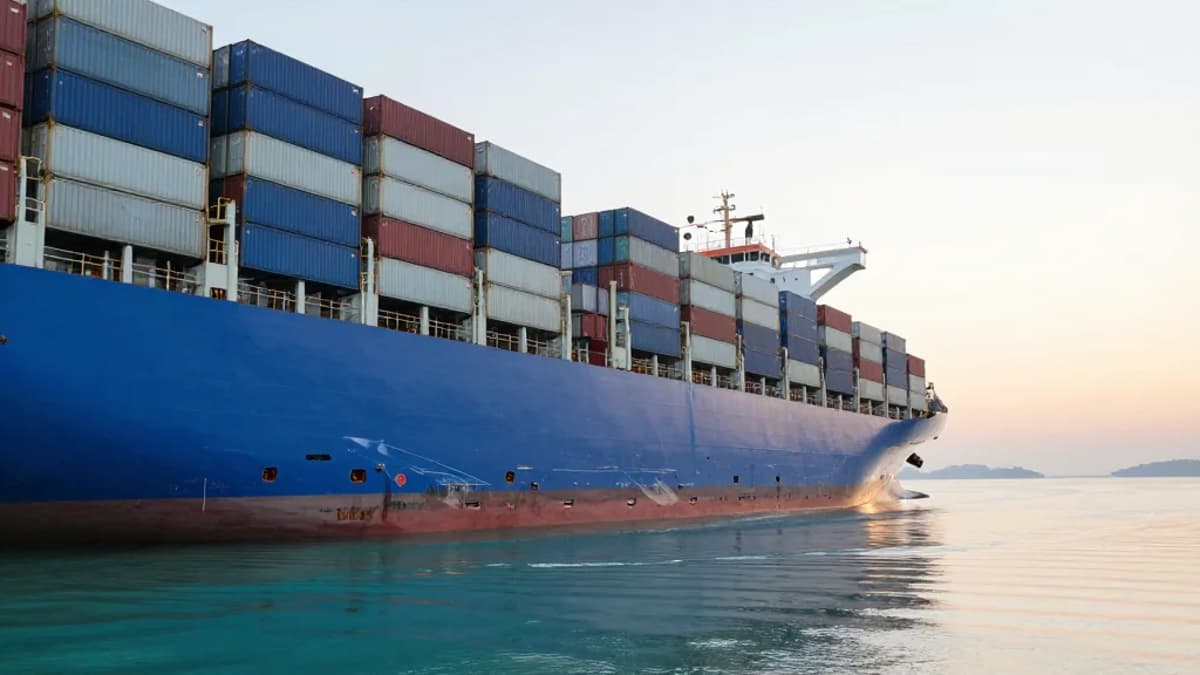
TPM26: War a Problem for Container Shipping, but Not ‘Pandemic-Scale’: Analyst
•March 5, 2026
0
Why It Matters
The assessment signals that shippers should prepare for higher costs but not expect a systemic collapse, influencing pricing strategies and risk management across the trade ecosystem.
Key Takeaways
- •Middle East war raises fuel surcharge expectations
- •Strait of Hormuz closure adds minor routing delays
- •Shipping volumes remain stable despite geopolitical tension
- •Industry expects limited impact compared to COVID disruptions
- •Shippers should monitor congestion fees in US trades
Pulse Analysis
The closure of the Strait of Hormuz, a vital artery for oil and container vessels, introduces a new cost layer for carriers. Fuel prices, already volatile, are expected to climb as ships either reroute around the Cape of Good Hope or endure longer transits. These adjustments translate into higher freight rates and surcharge structures, prompting shippers to reassess budgeting and contract terms for routes that traditionally relied on Gulf passages.
Despite these cost pressures, the broader container market shows resilience. Unlike the COVID‑19 pandemic, which halted production, port operations, and consumer demand worldwide, the current conflict is geographically confined. Global container volumes have largely held steady, and major carriers retain sufficient capacity to absorb temporary routing inefficiencies. This stability stems from diversified supply chains, strategic inventory buffers, and the industry's experience navigating previous disruptions such as the Suez Canal blockage.
For U.S. importers and exporters, the immediate concern centers on congestion surcharges at domestic ports. As vessels arrive later or in altered sequences, terminal operators may impose additional fees to manage yard space and labor constraints. Companies that proactively engage with carriers, negotiate flexible surcharge clauses, and explore alternative ports can mitigate financial exposure. Overall, while the war adds a layer of operational complexity, it does not threaten the fundamental health of global container shipping, allowing businesses to plan with measured caution.
TPM26: War a problem for container shipping, but not ‘pandemic-scale’: analyst
0
Comments
Want to join the conversation?
Loading comments...