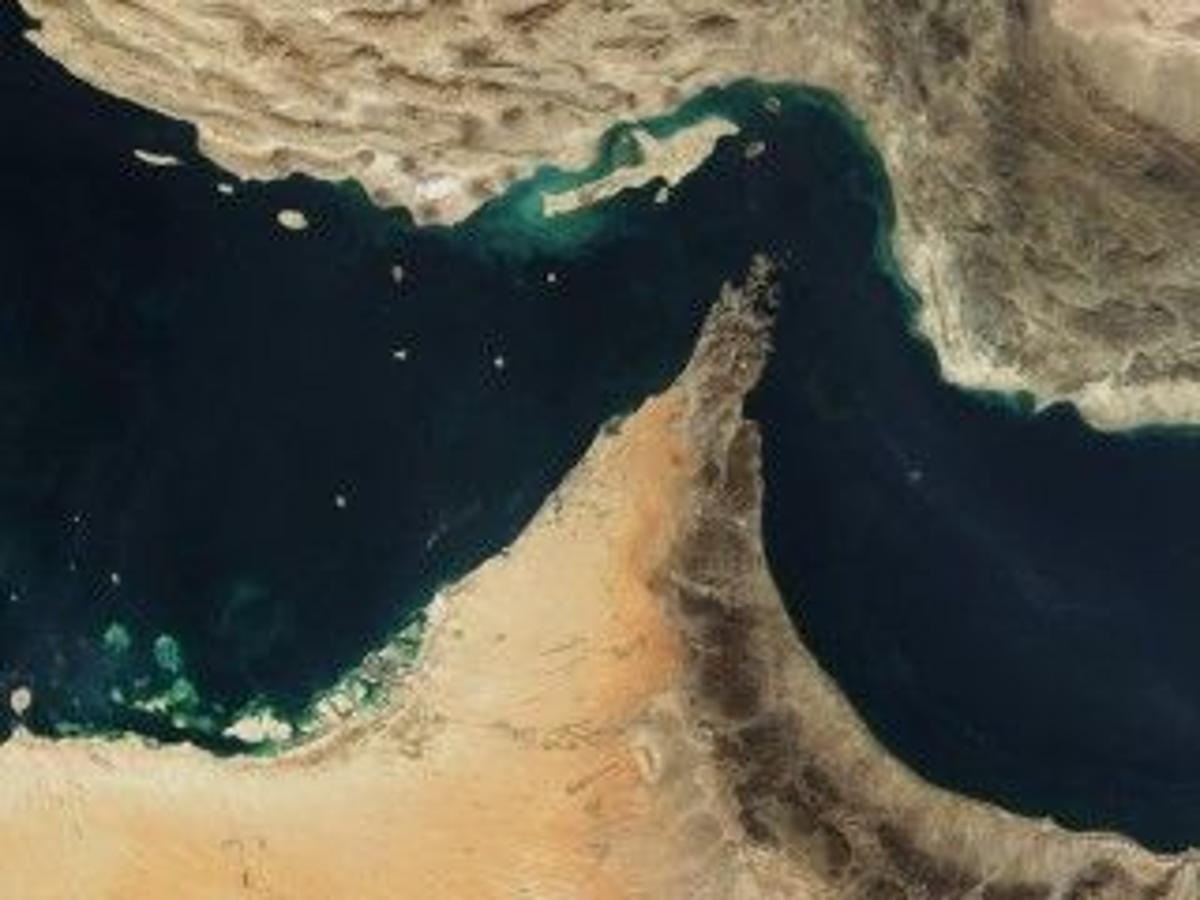
Traffic Through the Strait of Hormuz Has Been Resumed
Why It Matters
Resuming traffic restores a critical chokepoint for global energy supplies, reducing price volatility and supporting trade flows. The development signals de‑escalation risk and may encourage broader diplomatic engagement.
Key Takeaways
- •NJ Earth and Daytona Beach first ships since cease‑fire
- •220 vessels crossed Hormuz in March despite conflict
- •Cease‑fire condition includes reopening the strait for commercial traffic
- •Resumed transit may ease oil price pressures
- •MarineTraffic confirms early movements at 06:59 and 08:44 UTC
Pulse Analysis
The Strait of Hormuz, a narrow waterway that funnels roughly a fifth of the world’s oil, has long been a geopolitical flashpoint. Its closure or disruption can trigger sharp spikes in crude prices, as seen during past tensions between Iran and Western powers. The recent cease‑fire, brokered after weeks of hostilities, stipulated that the strait be reopened, turning a symbolic concession into a tangible step toward market stability. By allowing commercial vessels to navigate again, the agreement addresses one of the most immediate economic concerns of the conflict.
Early data from MarineTraffic shows the bulk carrier NJ Earth and the tanker Daytona Beach crossing within hours of each other, confirming that operators are testing the new security environment. While only two ships have been reported so far, the March baseline of 220 transits—spanning dry‑bulk, crude, LPG and LNG—demonstrates the strait’s resilience and the willingness of shippers to resume activity when risk recedes. The renewed flow eases logistical bottlenecks, shortens delivery times, and can help curb the upward pressure on oil benchmarks that surged during the fighting.
Looking ahead, sustained passage through Hormuz could reinforce broader diplomatic momentum. Energy markets are highly sensitive to supply‑chain signals; a stable strait reduces the risk premium embedded in futures contracts and may lower refinery margins that were compressed by price spikes. Moreover, the reopening offers a barometer for the cease‑fire’s durability—any renewed restrictions would quickly reverberate across global commodity markets. Stakeholders, from traders to policymakers, will watch vessel traffic closely as an early indicator of whether the truce can evolve into a lasting de‑escalation.
Traffic through the Strait of Hormuz has been resumed
Comments
Want to join the conversation?
Loading comments...