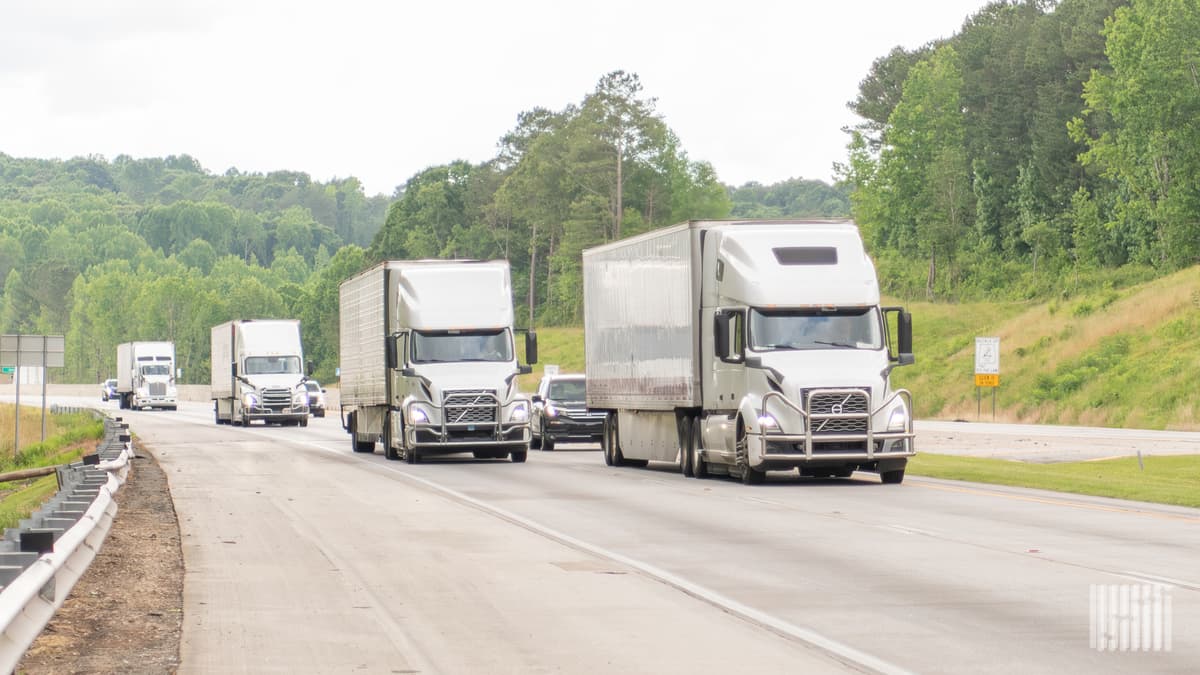
Traffix Expects Double-Digit Rate Increases to Hold Through 2026
Companies Mentioned
Why It Matters
Sustained rate inflation forces shippers to revise budgets and secure capacity, while carriers regain pricing power, marking the end of the soft‑market era.
Key Takeaways
- •Spot and contract rates up ~30% YoY, driven by demand‑capacity gap.
- •Diesel prices jumped 50% since early Q1 2026, feeding rate growth.
- •Tender rejections above 10% signal enduring capacity constraints.
- •Shippers should plan 10‑20% freight cost inflation through 2026.
- •Contract bidding and reduced spot exposure recommended to lock in capacity.
Pulse Analysis
The North American freight market is entering a new cycle marked by a pronounced supply‑demand imbalance. After three years of subdued pricing, carrier exits, stricter driver‑licensing regulations, and a wave of truck‑order replacements have left the industry with structurally lower capacity. Meanwhile, manufacturing rebounds, lean inventories and a surge in imports have pushed freight volumes up 8% year‑over‑year, pushing the Logistics Managers’ Index transportation price component to its highest level since 2022. This convergence of tighter capacity and stronger demand is driving spot and contract linehaul rates up roughly 30% YoY, independent of fuel.
For shippers, the implications are immediate. Traffix’s analysis projects freight‑cost inflation of 10‑20% versus 2025, depending on demand and fuel trajectories. Companies are advised to treat current rates as a new baseline, lock in capacity through strategic contract bidding, and reduce exposure to volatile spot markets. Mode‑specific trends reinforce the message: dry‑van and flatbed lanes face sustained pressure, refrigerated capacity tightens ahead of the produce season, and intermodal volumes grow as firms seek cost‑effective alternatives. Adjusting budgets now can mitigate the risk of surprise spikes later in the year.
Broader macro factors could further shape the landscape. Ongoing tariff adjustments and a shift toward near‑shoring in Mexico are nudging domestic trucking demand upward, while consumer confidence and potential rises in unemployment remain watch points. Carriers, finally enjoying pricing power not seen since the pandemic peak, are likely to hold firm on rates until new capacity materializes, a process that could take 12‑18 months. Shippers that act quickly—securing contracts, diversifying carrier pools, and balancing transportation with inventory costs—will be best positioned to navigate the tighter, more volatile freight market through 2026.
Traffix expects double-digit rate increases to hold through 2026
Comments
Want to join the conversation?
Loading comments...