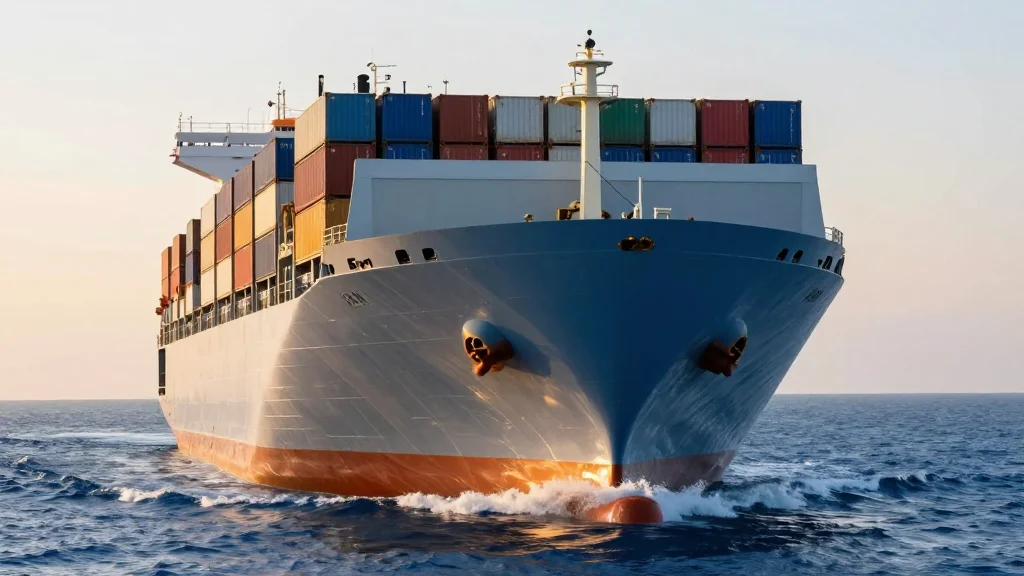
Trans-Pacific Frontloading Drives Early Peak Capacity Crunch, Rate Surge
Why It Matters
The front‑loading wave drives up freight costs and compresses supply‑chain margins, signaling tighter capacity and higher pricing for global trade on a key ocean lane.
Key Takeaways
- •Importers front‑load to dodge higher bunker fuel fees
- •Spot rates surged as capacity tightened on eastbound lane
- •Forwarders require minimum three‑week booking lead times
- •Peak season surcharges now $500‑$1,000 per FEU
Pulse Analysis
The trans‑Pacific container corridor is entering a rare pre‑peak squeeze as U.S. importers accelerate shipments from China and Southeast Asia. The strategy, known as front‑loading, is driven by three converging pressures: anticipated hikes in bunker fuel surcharges, price increases from Asian manufacturers, and lingering uncertainty over tariff policy. By moving inventory earlier, buyers hope to lock in current freight costs before the seasonal peak season surcharges, which carriers announced will range from $500 to $1,000 per forty‑foot equivalent unit (FEU) starting June 1.
The surge in forward bookings has already tightened available container space, prompting freight forwarders to impose a three‑week minimum booking window. Spot rates, which had been relatively stable through the spring, are now climbing sharply, with some lanes reporting double‑digit percentage increases over the previous month. This price escalation compresses margins for import‑heavy retailers and manufacturers, forcing them to reassess inventory strategies and consider alternative sourcing regions. At the same time, carriers benefit from higher revenue per container, but risk over‑capacity once the holiday peak subsides.
Looking ahead, shippers may hedge against further volatility by locking in capacity through long‑term contracts or by diversifying transit routes via the Panama Canal or intra‑Asia corridors. Analysts expect the front‑loading effect to peak in late October, after which demand should normalize and spot rates could retreat toward pre‑peak levels. However, any resurgence of tariff disputes or unexpected fuel price spikes could reignite the squeeze, keeping the trans‑Pacific lane among the most closely watched segments of global trade.
Trans-Pacific frontloading drives early peak capacity crunch, rate surge
Comments
Want to join the conversation?
Loading comments...