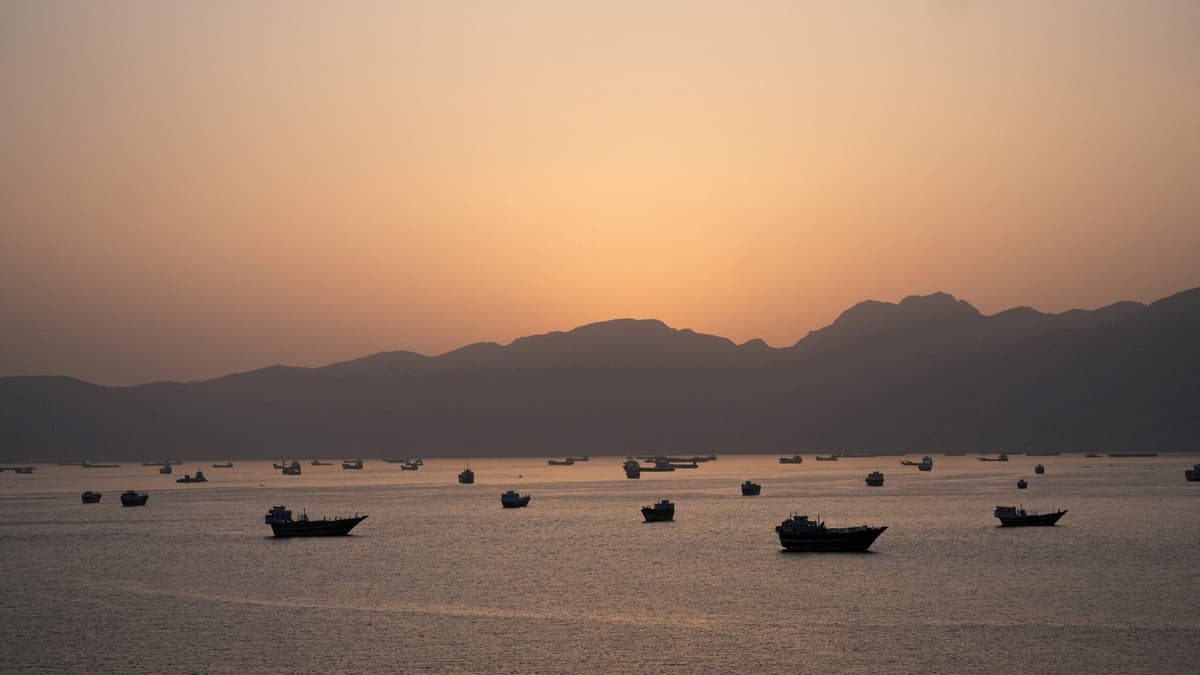
Trapped in Hormuz: Indian Sailors Describe Nights of Missiles, Fear, and Hunger
Why It Matters
The incident highlights the vulnerability of global energy supply chains to regional conflict and underscores the human cost for India’s large seafaring workforce, prompting policy focus on maritime safety and crew welfare.
Key Takeaways
- •Over 2,000 vessels trapped in the Strait of Hormuz since February.
- •Indian sailors faced nightly missile strikes, food shortages, and communication loss.
- •Each sailor paid roughly $4,800 in fees to secure international contracts.
- •India repatriated about 3,000 Gulf‑region seafarers, 23 this week alone.
- •Disruption threatens a fifth of global oil and LNG shipments.
Pulse Analysis
The Strait of Hormuz, a 104‑mile (17‑km) chokepoint, moves roughly 20% of the world’s oil and liquefied natural gas. Since the February escalation, missile and drone attacks have turned the waterway into a hazardous zone, forcing vessels to reroute or wait. The resulting congestion has immobilized more than 2,000 ships, inflating freight rates and exposing the fragility of energy logistics that underpin global manufacturing and transportation costs. Analysts warn that prolonged disruptions could ripple through downstream markets, raising fuel prices and prompting strategic stockpiling.
For Indian seafarers, the geopolitical flashpoint translates into personal peril and financial strain. Tithi Chiranjeevi and Anant Chauhan, like many of the nation’s 300,000‑strong maritime workforce, paid approximately $4,800 in recruitment fees—often financed through high‑interest loans—to secure contracts on vessels such as the Iranian‑flagged Ilda. Stranded for weeks, they endured nightly missile barrages, dwindling provisions, and isolation from families. Their experience underscores a broader issue: the reliance on informal financing channels that can trap sailors in debt cycles, especially when unexpected geopolitical events halt earnings.
India’s response—bringing home roughly 3,000 Gulf‑region sailors and coordinating weekly repatriations—signals a growing governmental emphasis on crew welfare and crisis management. Yet the episode raises questions about the resilience of the country’s shipping labor pool and the need for stronger regulatory safeguards. As global trade routes face increasing volatility, shipping firms and policymakers must invest in risk‑mitigation strategies, from diversified routing to transparent recruitment practices, to protect both the flow of commodities and the lives of the seafarers who keep them moving.
Trapped in Hormuz: Indian Sailors Describe Nights of Missiles, Fear, and Hunger
Comments
Want to join the conversation?
Loading comments...